Software
Employee Scheduling Apps: 6 Tools Tested (2026)
We tested six employee scheduling apps, from Homebase to Deputy, to find the best fit for team size, budget, and compliance needs. See which one wins for you.

The right employee scheduling apps save managers hours every week and cut down on no-shows, double-bookings, and last-minute shift-swap chaos. I tested six of the most popular options against real scheduling scenarios, from a single-location coffee shop to a 200-person retail chain, to see which ones actually hold up.
Quick answer
Homebase wins for single-location small businesses that want a real free plan. When I Work and Deputy scale better for multi-location and compliance-heavy operations. 7shifts is built for restaurants, while Connecteam and Sling suit deskless field teams on tighter budgets.
Key takeaways
- Homebase's free plan covers up to 10 employees at one location, no card required.
- Sling's free tier scales to 30 users, the most generous cap of any app tested here.
- Deputy and 7shifts charge no per-user fee at their higher tiers, which favors larger crews.
- Time tracking is a paid add-on on most platforms, so budget for it separately.
- Oregon is the only state with a statewide predictive scheduling law, most others are city ordinances.
How I compared these employee scheduling apps
I built test schedules in each app for three fictional teams: a 12-person cafe, a 40-person retail chain with two locations, and a 25-person home-repair crew that needs GPS check-ins. I checked shift creation speed, mobile usability, and how each vendor's current pricing page lines up with what sales reps quote. For a closer look at how a general-purpose scheduling tool stacks up against these six, see our employee scheduling app breakdown.
| App | Best for | Starting price | Free plan |
|---|---|---|---|
| Homebase | Single-location small business | $30/month (Essentials) | Yes, up to 10 employees |
| When I Work | Multi-location teams, simple per-user pricing | $2.50/user/month | 14-day trial only |
| Deputy | Compliance-heavy industries | $5/user/month | 30-day trial only |
| 7shifts | Restaurants | $34.99/month per location | Yes, up to 15 employees |
| Connecteam | Deskless and field teams | $35/month for up to 30 users | Yes, up to 10 users |
| Sling | Budget-conscious teams under 30 people | $1.70/user/month (annual) | Yes, up to 30 users |
Homebase: best for single-location small businesses
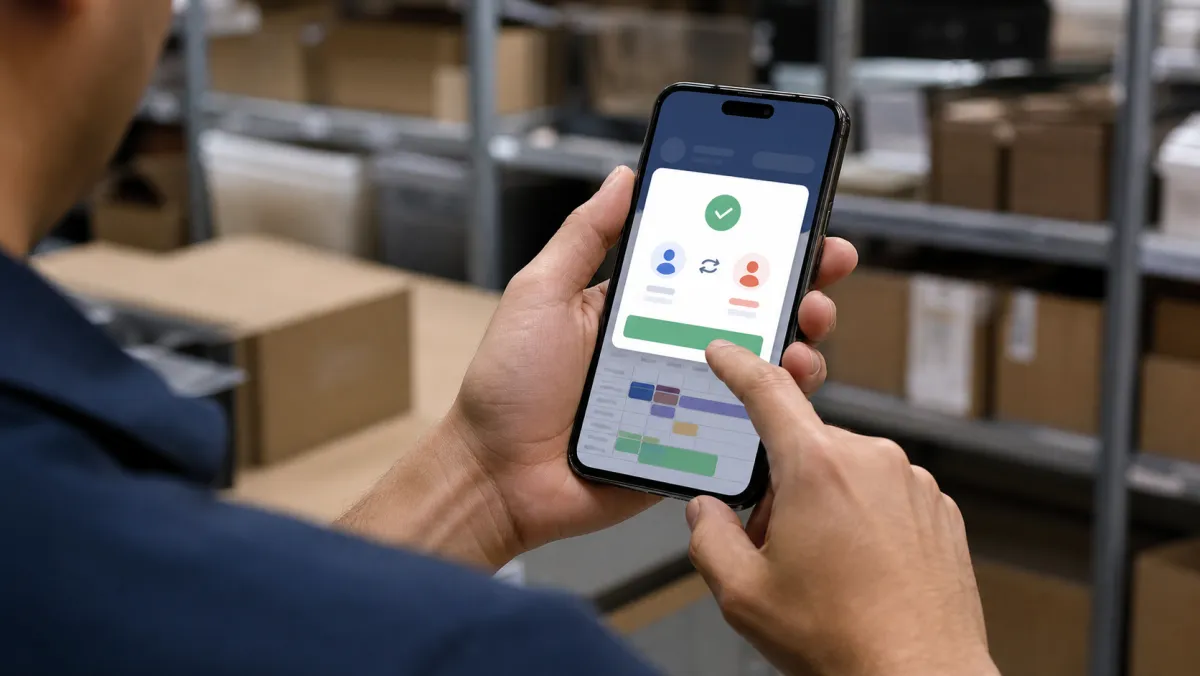
Homebase's free Basic plan supports up to 10 employees at one location, with scheduling, time tracking, and point-of-sale integration built in. There's no card required to start, and the mobile app handles shift swaps and team messaging without extra software.
Once a team outgrows the free cap, Essentials runs $30 a month, or $24 if billed annually, and removes the employee limit. Plus adds department management and labor cost controls at roughly $70 a month, while All-in-One layers on HR, onboarding, and compliance tools near $120 a month.
The catch is Homebase prices per location, not per user, so a single busy cafe pays the same as a quiet one. For businesses weighing several no-cost options side by side, our free scheduling app for employees breakdown compares the limits of each free tier in detail.
When I Work: best for scaling multi-location teams
When I Work starts at $2.50 per user per month for a single location and $5 for multi-location teams, with scheduling, time tracking, and messaging bundled into every plan. Premium, at $8 per user, adds API access and single sign-on for larger IT departments.
The trade-off is that real time and attendance tracking costs an extra $1.50 to $2 per user each month, a fee most shift-based businesses end up paying anyway. There's a 14-day free trial with no card needed, plus a discount for annual prepayment once you're ready to commit to a seat count. Our best scheduling app for small businesses guide covers how it stacks up against Deputy specifically.
Deputy: best for compliance-heavy industries
Deputy overhauled its pricing in October 2025 into three tiers: Lite at $5 per user, Core at $6.50, and Pro at $9, each billed monthly with a 10% discount for annual plans. A $30 monthly minimum applies to every self-serve account.
Core is where Deputy earns its compliance reputation, unlocking auto-scheduling, demand forecasting, and labor-budget tracking. It also automates break rules, overtime, and Fair Workweek requirements, which matters given that Oregon's predictive scheduling law already requires 14-day advance notice for large retail and food-service employers.
Add-ons stack up fast: HR runs $2 per user, Messaging+ is $1.95, and full payroll adds $8 per user plus a $49 monthly base fee. Budget for the add-ons before assuming the sticker price is the real cost.
7shifts: best for restaurants
7shifts was built around restaurant workflows, with direct POS integrations for Toast, Square, Clover, and Lightspeed Restaurant. The free Comp plan covers up to 15 employees at one location with basic scheduling and time-off requests.
Paid tiers price per location instead of per user: Entree runs about $35 a month and adds labor budgeting and sales forecasting, while The Works jumps to roughly $77 a month for labor compliance tools and unlimited staff. Gourmet, the top tier near $150 a month, adds AI auto-scheduling and task management.
That per-location model rewards restaurants with large staffs and punishes small single-shift operations, a distinction our restaurant scheduling app guide walks through with real cost examples.
Connecteam: best for deskless and field teams
Connecteam splits its product into three hubs, Operations, Communications, and HR and Skills, each sold separately. The free Small Business plan covers up to 10 users with full access to all three, and a free-for-life Limited plan exists for teams up to 30.
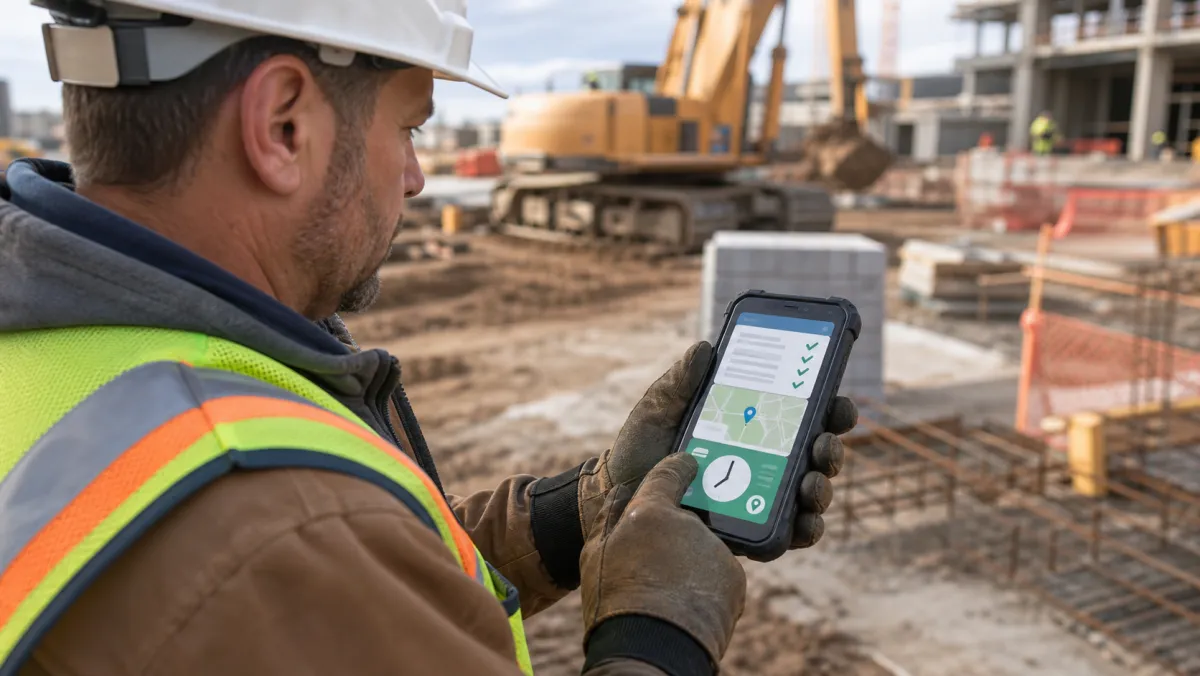
Paid hub pricing starts at $35 a month for up to 30 users on monthly billing, climbing to $119 for the Expert tier with live GPS tracking and multi-branch management. Construction, healthcare, and retail field teams get the most value here, since GPS clock-in and job-site checklists live in the same app as scheduling.
Sling: best free tier for small, budget-conscious teams
Sling's free plan covers up to 30 users with scheduling, shift swaps, templates, and time-off requests, the most generous no-cost cap of any app on this list. Time tracking and labor-cost reporting stay locked behind paid tiers, though.
Premium costs $1.70 per user a month billed annually and adds mobile time tracking and overtime alerts. Business, at $3.40 per user, layers on a kiosk time clock and no-show tracking, the tier most growing teams eventually need.
How to choose the right employee scheduling app for your team
- Single cafe or shop, one location: Homebase's free plan or Sling's 30-user cap.
- Multi-location retail or services: When I Work for simplicity, Deputy if labor laws are complex.
- Restaurants with POS needs: 7shifts, budget for the jump in cost past Entree.
- Field service, construction, healthcare: Connecteam for GPS and job checklists in one app.
- Tight budget, small headcount: Sling's free or Premium tier.
Scheduling is only half the operational puzzle. Once new hires are on the roster, pairing your scheduling app with dedicated employee onboarding software keeps the first 90 days from falling through the cracks.
The cheapest scheduling app is the one your managers actually open every morning, not the one with the longest feature list.
Before signing an annual contract, run the free trial with your real shift patterns, not the vendor's demo data. Export your current schedule history first, since most apps don't offer a clean migration path once you're locked into their format. Our step-by-step trial checklist for small business scheduling apps can help you test more rigorously before switching.
For a plain-language rundown of what employee scheduling software covers under the hood, Wikipedia's overview is a solid starting point before you sit through a sales demo.
FAQ
Is there a truly free employee scheduling app?
Yes. Homebase, Sling, and Connecteam all offer functional free plans, though each caps team size, at 10, 30, and 10 users respectively, and moves time tracking behind paid tiers.
What's the cheapest employee scheduling app per user?
Sling's Premium tier costs $1.70 per user per month when billed annually, undercutting When I Work and Deputy on a pure per-seat basis.
Do employee scheduling apps include time tracking?
Rarely for free. Most platforms, including When I Work, Deputy, and Sling, charge $1.50 to $2 per user monthly as a separate time-tracking add-on.
Which scheduling app works best for restaurants specifically?
7shifts, thanks to native POS integrations with Toast, Square, Clover, and Lightspeed Restaurant that sync sales data directly into labor forecasts.
Can I switch employee scheduling apps without losing data?
Plan for manual re-entry. Most vendors export basic shift history as a spreadsheet, but recurring templates and integrations usually need to be rebuilt from scratch.