Software
Best Small Business Website Builder (2026)
Compare the best small business website builder picks, Wix, Squarespace, Shopify, Webflow, and WordPress.com, on price, design, and built-in SEO tools.

Picking the best small business website builder comes down to three things: how fast you can launch, how much control you want later, and whether the pricing still holds up once you add a store or online bookings. After comparing the platforms small business owners search for most in the software category, no single tool wins every round.
This guide exists to help a small business owner discover the best website builders for a specific type of business, not just whichever brand runs the most ads. Most owners can build the website in a single weekend once they stop comparing homepages and start comparing what each best website builder actually includes at the price you pay.
This guide compares Wix, Squarespace, Shopify, Webflow, and WordPress.com on price, design freedom, and built-in SEO tools, plus one budget pick for owners who just need a clean site fast. Pick a template you like first, then check whether the plan behind it actually fits your budget.
Quick answer
Wix is the best small business website builder for most owners because it pairs an easy, user-friendly editor with a genuine free plan and enough store features for a side business. Squarespace wins on design, Shopify wins for serious online stores, and Webflow or WordPress.com fit owners who want full design or code control. There is no universal best fit, only the platform that matches your budget and product this year.
Key takeaways
- Wix is the strongest all-around small business website builder, with a real free plan and paid tiers starting at $17 a month.
- Squarespace has the best templates for service businesses that sell on brand and photography, starting around $16 a month.
- Shopify is built for selling products, with real storefront plans starting at $39 a month, or $29 if billed annually.
- Webflow and WordPress.com give the most design and code control once a business outgrows a simple builder.
- Hostinger is the cheapest pick for a fast launch, from about $2.99 a month on a four-year prepaid plan, renewing near $11 a month after.
What Is the Best Small Business Website Builder?
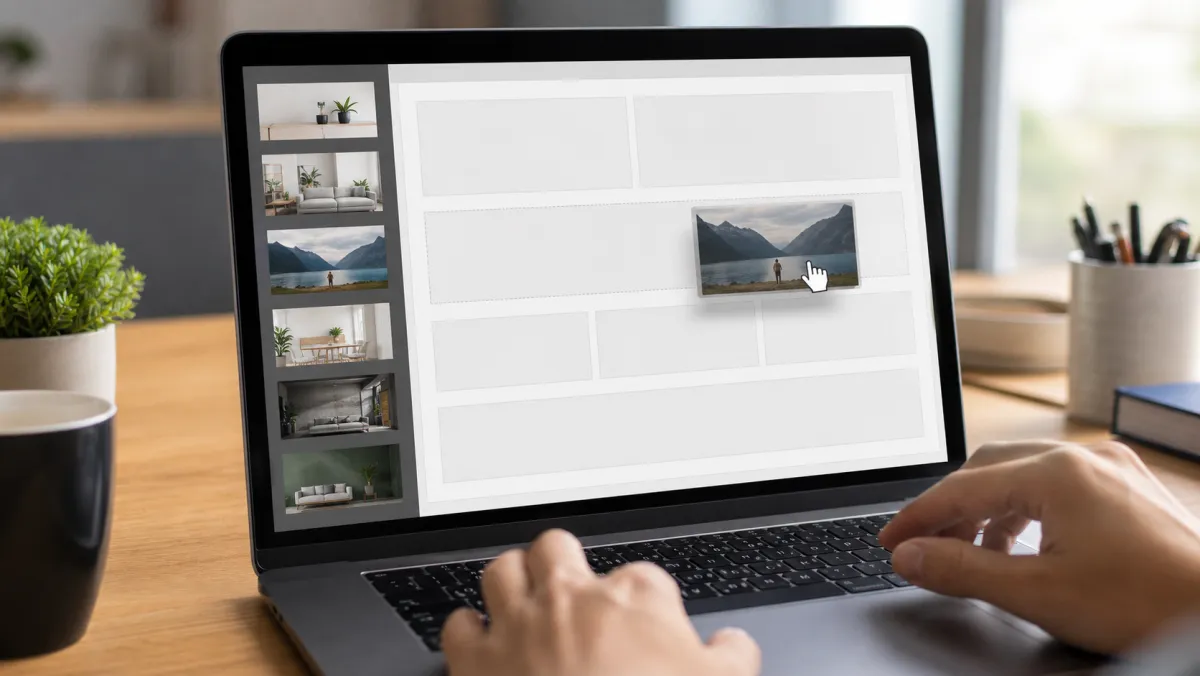
A website builder is drag-and-drop software that lets you design, host, and publish a website without writing code. For a small business, the best small business website builder is whichever tool matches your budget, your product, and how much time you actually have to maintain it.
Most owners want a user-friendly site builder where they can customize the layout in a weekend, then keep adjusting the customization as the business grows without hiring a developer for every small change. Templates mean you are not building everything from scratch, which is the whole point of choosing a website building platform over hand-coding a site yourself. Most templates are fully customizable, so the starting design is a base, not a limit.
Many builders now include AI tools that draft a starter layout from a short prompt, part of a broader shift toward faster ai capabilities across the industry. For a no-code website with real design freedom, that speed is a bigger advantage than it was even two years ago.
| Builder | Starting price | Free plan | Best for | Built-in store |
|---|---|---|---|---|
| Wix | $17/mo | Yes | Most small businesses | Yes |
| Squarespace | $16/mo | No (14-day trial) | Design-focused brands | Yes |
| Shopify | $29/mo (billed annually) | No (3-day trial) | Online stores | Yes |
| Webflow | Free | Yes (limited) | Custom design | Yes |
| WordPress.com | Free | Yes (limited) | Content and blogging | Yes (Business plan) |
| Hostinger | $2.99/mo (4-yr term) | No | Budget launches | Yes |
Prices above are entry points, not what most businesses actually pay. Add a custom domain, email, or an online store and the real monthly cost usually lands higher, which is why the comparisons below use realistic mid-tier plans instead of the cheapest headline price.
Shopify also sells a $5 a month Starter plan, but that tier only gives you a checkout link for social selling, not a full website. Budget for the $39 a month Basic plan, or $29 if billed annually, if you actually want a store site.
Paid plans start at $17 a month for Wix and $16 a month for Squarespace on annual billing, and both include a free domain for the first year. Hostinger and Webflow undercut both on price, but each asks more setup time in exchange.
Best Website Builders for Small Businesses, Compared
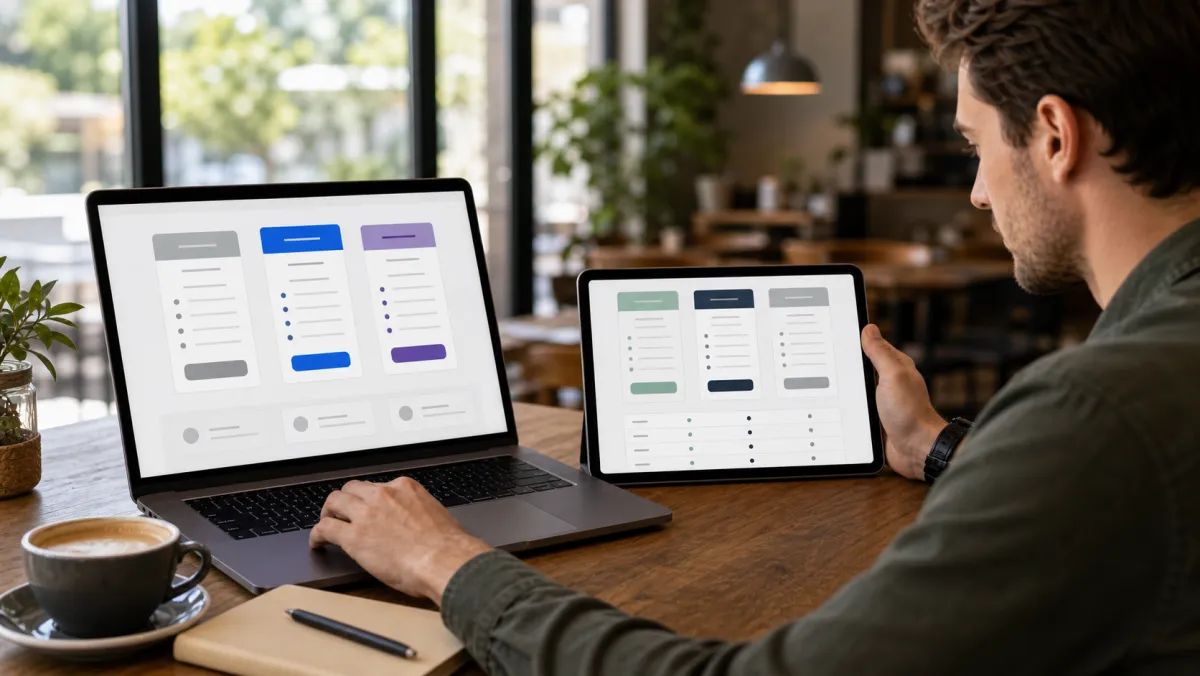
Use the table above to find the best starting point, then read the section below for the platform that matches how you actually sell. Wix remains the most popular website builder among small business owners, mostly thanks to its free plan and template count.
Best overall
Wix Free plan, then $17 to $159 a month
Owners who want one tool for a site, a store, and bookings without touching code should start here.
Pros
- Genuinely usable free plan
- Large template library
- AI setup wizard speeds up launch
Cons
- Free plan shows Wix ads
- Higher tiers renew above the first-year rate
Wix and Squarespace are both a builder with drag-and-drop editing, which keeps the ease of use high for anyone building their first site. Wix's editor lets you drag any element into place, so adjusting the layout does not require touching code.
Anyone who needs a quick website today should start with Wix, since the free plan is a real starting point rather than a bait-and-switch trial. It has closed most of the design gap with Squarespace over the last two years.
Best for design
Squarespace $16 to $99 a month, no free plan
Service businesses where brand and visuals sell the work, like studios, salons, or consultants, fit best here.
Pros
- Best-looking templates out of the box
- Strong for portfolios and photography
- Clean, distraction-free editor
Cons
- No free tier, only a 14-day trial
- Fewer third-party app integrations than Wix or Shopify
If website design is the deciding factor, Squarespace still ships more professionally designed templates out of the box than any other builder on this list. Its AI Blueprint tool asks a few questions, then drafts a working, customized website automatically.
Squarespace is where a solo small business owner can create a professional website in a weekend without hiring a designer. If your small business runs on how it looks, a portfolio, a menu, a gallery, this is usually the fastest way to look credible on day one.
Best for online stores
Shopify $29 to $299 a month billed annually, plus transaction fees
Businesses that sell physical or digital products as the main event, not a side feature, belong here.
Pros
- Built specifically for selling products
- Huge app ecosystem for shipping and inventory
- Scales from side hustle to full store
Cons
- The $5/mo Starter tier is checkout-only, not a real website
- Costs climb fast once you add apps
Shopify's ecommerce features, built-in payment processing, discounted shipping labels, and inventory sync are the reason product-based sellers pick it over a general website builder. It is not really a general website builder, it is e-commerce software with a website attached, which matters for businesses moving into online selling for the first time.
Shopify's blog tools feel clunky next to WordPress.com, which is the tradeoff for its ecommerce depth. If most of your traffic ends at checkout, that focus is an advantage, not a limitation.
Best for design control
Webflow Free Starter plan, then Basic at $15/mo or Premium at $25/mo billed annually
Businesses with a designer on the team, or an owner willing to learn a more technical builder, get the most from this one.
Pros
- Design freedom close to hand-coding, without code
- Strong CMS for content-heavy sites
- Fast, clean output
Cons
- Steeper learning curve than Wix or Squarespace
- Webflow merged its CMS and Business tiers into one Premium plan in May 2026, so older reviews may show outdated pricing
Webflow gives developer-level control without writing code by exposing real css, interactions, and custom code slots inside a visual canvas, which removes the need for code for most small business projects. Designers comparing Webflow and Framer will generally find Webflow more small-business-friendly because of its larger template marketplace and built-in CMS.
Scalability matters most here, since Webflow lets a site grow from a single landing page to a full catalog without a rebuild. That flexibility is why agencies and design-led brands reach for it over Wix.
Best for content and control
WordPress.com Free plan, then $9 to $70 a month, less if billed annually
Businesses that publish often and want to avoid being locked into one company's builder do best here.
Pros
- Full plugin access on the Business plan and up
- Best option for blogging or content marketing at scale
- Portable: you actually own the underlying WordPress site
Cons
- Cheaper plans block plugins and custom themes
- More setup decisions than a pure drag-and-drop builder
WordPress.com's Business plan unlocks tens of thousands of plugins, the same library that powers most of the open web. Because it runs on open source WordPress, owners who outgrow it entirely can migrate to self-hosted platforms like WordPress.org without losing their content.
Once you have built a website on WordPress.com, you are not fully boxed into one vendor the way you are with a closed builder. That portability is worth the slightly steeper learning curve for a content-heavy small business.
One budget option worth naming: Hostinger's website builder drops to around $2.99 a month on a four-year prepaid plan, though monthly billing runs closer to $11.99 and renewal rates climb once the intro term ends. It includes an AI site builder, hosting, and a free trial, and can draft an entire website quickly from a short prompt, which works well for small budgets that just need something live fast.
The best small business website builder is not the one with the most features. It is the one you will actually finish setting up this month, and keep updating next year.
Free Website Builder Options for Small Businesses
A free website builder can work for a new business that just needs a placeholder while it validates an idea, or a way to test a concept website without committing a credit card first. You can launch a working website using any of the plans below within an afternoon, and here is where a genuinely free plan still holds up in 2026.
- Wix free plan: unlimited pages, Wix branding and a Wix subdomain, fine for testing an idea before you commit to a paid tier.
- WordPress.com free plan: a WordPress.com subdomain, limited storage, no plugins, but a real path to upgrade later.
- Webflow Starter plan: a webflow.io subdomain and two pages, useful for a single-page site or a portfolio.
- Google Sites: genuinely free forever, very basic, best for an internal page rather than a customer-facing storefront.
Free tiers are a fine starting point, and most can produce a functional website within an afternoon. Almost every small business eventually needs a custom domain, though, which pushes you onto a paid plan within the first year anyway.
How to Choose a Website Builder for Your Small Business
What do you actually sell? If it is products, start with Shopify. If it is a service, Squarespace or Wix will look better for less setup work. Service providers who rely on appointments, consultants, salons, coaches, should look for a builder that supports bookings natively, since scheduling built into the site cuts down on missed calls.
Whichever website platform you choose, matching it to your business type matters more than brand recognition or how many templates a company advertises.
How much customization do you want later? If you might want a developer to touch the code someday, Webflow or WordPress.com keep that door open for a fully customized website. A closed builder like Wix does not.
What is the real monthly budget, not just the homepage price? Add a custom domain, business email, and any store fees before you compare two platforms side by side, since matching the right fit for your business type matters more than the sticker price.
Running a small business rarely stops at the website. Many owners also rely on Costco Business Center locations, a business-focused format with about 27 locations across the United States as of 2026, open earlier than standard warehouses and built for bulk buying. It is a separate cost, but one that often lands the same month as a new site.
Finally, ask how portable the platform is. WordPress.com and Webflow let you export or move more easily than a fully closed builder, which matters if you ever change your mind.
SEO and Built-In Tools Every Small Business Website Needs
Every builder on this list includes basic search engine optimization tools: editable page titles, meta descriptions, and clean URLs. Following seo best practices at setup makes it far easier to publish a website that actually ranks later.

Look past SEO for features like built-in analytics, an email marketing connector, and mobile-responsive templates by default. A modern website needs to load fast on mobile first, since most small business traffic now arrives from a phone, and Wix and Squarespace both include these on mid-tier plans.
Analytics and email marketing features are also worth comparing, since they save a separate subscription later. If your team is already juggling multiple tools, pair your new site with the right productivity tools for teams so the website is not the only thing that got upgraded this quarter.
Website Builder Comparison by Business Needs
Matching the builder to your type of business saves the most time. Here is the short version.
- Service business (salon, studio, consultant): Squarespace or Wix, for design and simple booking tools.
- Product business, physical goods: Shopify, for inventory, shipping, and checkout built in.
- Content or media business: WordPress.com, for publishing tools and long-term ownership.
- Agency or design-led brand: Webflow, for full visual control.
- Tight-budget launch: Hostinger, for the lowest realistic monthly cost.
Small businesses that want a booking calendar or a simple store should stick with Wix or Squarespace rather than a code-first tool like Webflow. If your store is growing past what Shopify's basic plan tracks well, pair it with dedicated inventory management software for small businesses rather than running everything from the website dashboard alone.
Best Small Business Website Builder: FAQ
What website is best for small businesses?
Wix is the best overall pick for most small businesses because it combines a real free plan, an easy editor, and enough built-in store and booking features to cover the first few years without switching platforms.
How much does it cost to have a website built for a small business?
A DIY website builder typically runs $16 to $40 a month once you add a custom domain, while hiring a designer or agency to build a comparable site usually starts around $1,000 to $3,000 up front, plus hosting.
Is there a cheaper option than Wix?
Yes. Hostinger's website builder starts around $2.99 a month on a long-term prepaid plan, and WordPress.com and Webflow both offer usable free plans, though each comes with more limitations than Wix's paid tiers.
Is Wix really free forever?
The free plan itself does not expire, but it keeps Wix branding and a Wix subdomain permanently. Most businesses upgrade within the first year once they need a custom domain or want the branding removed.
What are the best business credit cards for funding a new website build?
The best business credit cards for a website project are ones with a 0% introductory APR window, since builder fees, apps, and a designer invoice can be spread out interest-free. See our full breakdown at best business credit cards for current top rated business credit cards and terms.
Related guides
The Verdict
There is no single answer to which website builder is best for every situation, but the comparison above narrows it fast. For most small businesses, Wix is still the best pick in 2026: a real free plan, a genuinely user-friendly editor, and enough built-in store and booking tools to avoid switching platforms for a few years.
Pick Squarespace if the business runs on visuals, Shopify if products are the whole business, and Webflow or WordPress.com if you want more control than a closed builder allows. Once you have built a website on any of these platforms, the harder work of writing content and building links starts.
Whichever you choose, the honest test is not the demo, it is whether you actually finish setting it up and keep it updated once the free trial ends.