Communication
Digital Communication (2026): Channels, Tools & Examples
Digital communication is the exchange of information through a message sent via messaging apps, email, or video, key to how people study digital communication.

Every text you send, every video call you join, and every social post you scroll through counts as digital communication. It is the exchange of information between people or systems using electronic devices instead of paper, ink, or face-to-face conversation alone.
Quick answer
Digital communication is the exchange of information through digital channels such as email, messaging apps, video conferencing, and social media platforms. It replaces or augments analog methods like paper mail and in-person meetings, letting businesses and individuals share messages instantly across the globe.
Key takeaways
- Digital communication covers any exchange of information sent through electronic devices, from SMS to video conferencing.
- Common formats include email, instant messaging, social media platforms, and podcasts.
- Benefits include real-time exchange, breaking down geographical barriers, and cost-effective operations.
- Security concerns like data breaches mean every business needs a plan to safeguard information sharing.
- People who study digital communication often move into marketing, PR, or content creation roles.
What Is Digital Communication?
Digital communication is the exchange of information through digital channels using electronic devices such as phones, laptops, and tablets. It covers everything from a two-word text message to a company-wide video conference. The specific communication channels a team picks, from email to chat to video, shape how clearly that message lands.
The term also describes communication about communication: the study of how digital tools change the way we interact, negotiate meaning, and build trust when we cannot see a person's face. For a broader foundation, see our guide on what communication actually means before diving into the digital-specific pieces.
Unlike data communication, which focuses on the technical transfer of data between systems using digital technology, digital communication is about people using those systems to share ideas, instructions, and messages.
Digital Communication Explained

Digital communication systems combine hardware, software, and networks to move messages instantly. These systems route messages through digital communication channels such as email servers, chat platforms, and video networks. A message can travel as text, voice, image, or video, often blending several formats into one multimedia exchange.
Before digital tools, most business communication ran through analog channels: printed memos, landline calls, and in-person meetings. The shift into the digital age did not erase those needs. It just moved them onto digital communication platforms and digital platforms that augment those same intents, faster and to more people, seamlessly.
Interpersonal communication still matters here. A well-written email or a quick video message carries tone and nuance almost as well as online communication between coworkers standing in the same room. Good interpersonal and communication habits, the kind covered in our communication skills hub, translate directly into stronger digital exchanges.
Various channels and technologies now stack together: a Slack message might trigger an email, which links to a shared document, discussed later on a video call. That layering, driven by technological change in bandwidth and mobile devices, is what people mean when they say communication in today’s world rarely happens through a single channel.
Picking from various channels well, instead of defaulting to the loudest one, is what separates smooth teams from noisy ones.
Digital Communication Examples: Types You Use Every Day
Types of digital communication break down into a few practical forms of communication that most teams already use.
- Text and SMS. Short text messages sent between phones, still the fastest way to reach someone who is not at a desk.
- Email. The default for formal business communication, contracts, and anything that needs a paper trail.
- Instant messaging and messaging apps. Slack, WhatsApp, and Microsoft Teams handle the constant flow of information inside a company.
- Video conferencing. Zoom and Google Meet replaced most cross-office flights for routine check-ins.
- Social media platforms. Public-facing digital channels built for the dissemination of information, customer replies, and communities around shared interests.
- Podcasts and video content. One-to-many digital communication tools that let a business reach an audience without traditional advertising spend.
Direct messages sit inside several of these categories, from a private Instagram DM to a one-on-one Slack thread. Each format serves a different purpose, so picking the wrong one for the message is one of the most common mistakes teams make in the digital world.
Benefits of Digital Communication
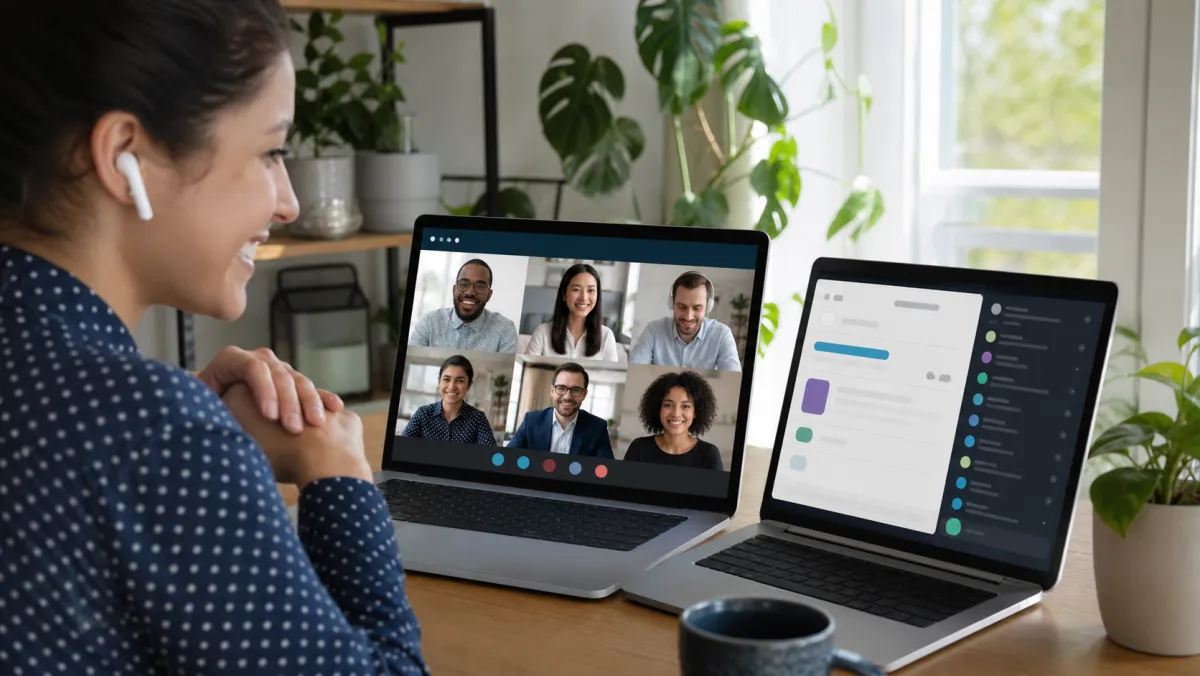
The benefits of digital communication show up fastest in speed and cost. Digital tools facilitate real-time exchange, so a question sent at 9am can get answered before lunch, no matter where the other person sits.
Breaking down geographical barriers is the biggest structural change. A team spread across three continents can run one meeting, share one document, and stay on the same page without anyone booking a flight.
Cost-effective delivery follows close behind. Sending a thousand emails costs almost nothing compared to printing and mailing letters, which raises operational efficiency and streamlines business operations across departments.
Effective digital communication also improves customer experience. Chat widgets, cutting-edge AI-driven support bots, and quick social replies let businesses respond in minutes instead of days, and personalization tools tailor each message to the person reading it.
Connectivity across teams helps foster better collaboration, too. Shared drives and project boards keep individuals and organizations aligned even when nobody is in the same building.
How to Apply Digital Communication
Effective digital communication involves matching the channel to the message. Quick updates fit instant messaging, sensitive feedback fits a video call, and anything contractual belongs in email or a signed document.
Leverage digital tools that integrate across the systems your team already uses. Integration across all channels, from your CRM to your chat app, keeps every notification useful instead of overwhelming.
Security concerns need a plan, not an afterthought. Data breaches often start with a single careless message, so businesses should safeguard shared files, use two-factor logins, and follow the regulatory requirements that apply to their industry.
The channel you pick says almost as much as the message itself.
Misreading a channel can also create unnecessary friction. A short, blunt message that would read as fine on a whiteboard can look cold in a chat thread, so learning to catch that gap is worth as much as any tool. Teams that struggle with this often trace the tension back to unresolved intrapersonal conflict playing out in how people write, not just what they write.
Bandwidth matters more than people expect. Video conferencing and large multimedia files still need enough bandwidth to run smoothly, especially for remote teams working across regions. Every stakeholder, from frontline staff to leadership, needs a shared understanding of which digital communication tools are official and which are optional.
Study Digital Communication: Skills and Careers
People who study digital communication usually land in marketing, PR, UX writing, or internal comms roles. Coursework covers content creation, analytics, and the human interactions behind every digital channel.
Assertive communication skills matter as much online as offline. Saying what you mean clearly, without hedging or over-explaining, reads even more important in a text thread where tone is easy to lose.
Intercultural communication training also helps, since one social post or email can reach readers globally within seconds. What lands as friendly in one market can read as blunt in another.
Nonverbal communication does not disappear online either. Emoji, punctuation, response speed, and even read receipts carry the tone a raised eyebrow or a pause would carry in person.
Teams that want to keep remote culture human sometimes borrow simple exercises, like icebreaker games run over video call, to rebuild the interpersonal communication that a text thread alone cannot replace.
Digital Communication: FAQs
What is digital communication?
Digital communication is the exchange of information through digital channels and electronic devices, such as email, text messages, video conferencing, and social media, instead of paper or in-person-only methods.
What are 5 examples of digital communication?
Five common examples are email, SMS text messages, instant messaging apps, video conferencing, and social media platforms used to disseminate updates or respond to customers.
What are 5 digital communications?
The same five formats cover most business needs: email, text messages, messaging apps, video calls, and social posts, each suited to a different type of message.
What can I do with a digital communications degree?
Graduates typically move into marketing, public relations, content creation, UX writing, or internal communications roles that manage messaging across digital communication platforms.
What is communication?
Communication is the act of sharing information, ideas, or feelings between people, using words, images, sound, or behavior that another person can interpret.
What is interpersonal communication?
Interpersonal communication is the direct exchange of messages and meaning between two or more people, whether that happens face to face or through a digital channel.
What is nonverbal communication?
Nonverbal communication is meaning sent without words, through tone, facial expression, posture, or timing.
What are some nonverbal communication examples?
Online, nonverbal cues show up as emoji, punctuation, response speed, capitalization, and even read receipts.
What is assertive communication?
Assertive communication means stating a need, opinion, or boundary clearly and respectfully, without being passive or aggressive, a skill that carries over directly into digital messages.