Marketing
What Is Traditional Marketing? Types, Pros & Cons (2026)
What is traditional marketing? See the offline channels, traditional marketing strategies, and when print, TV and direct mail still beat digital.
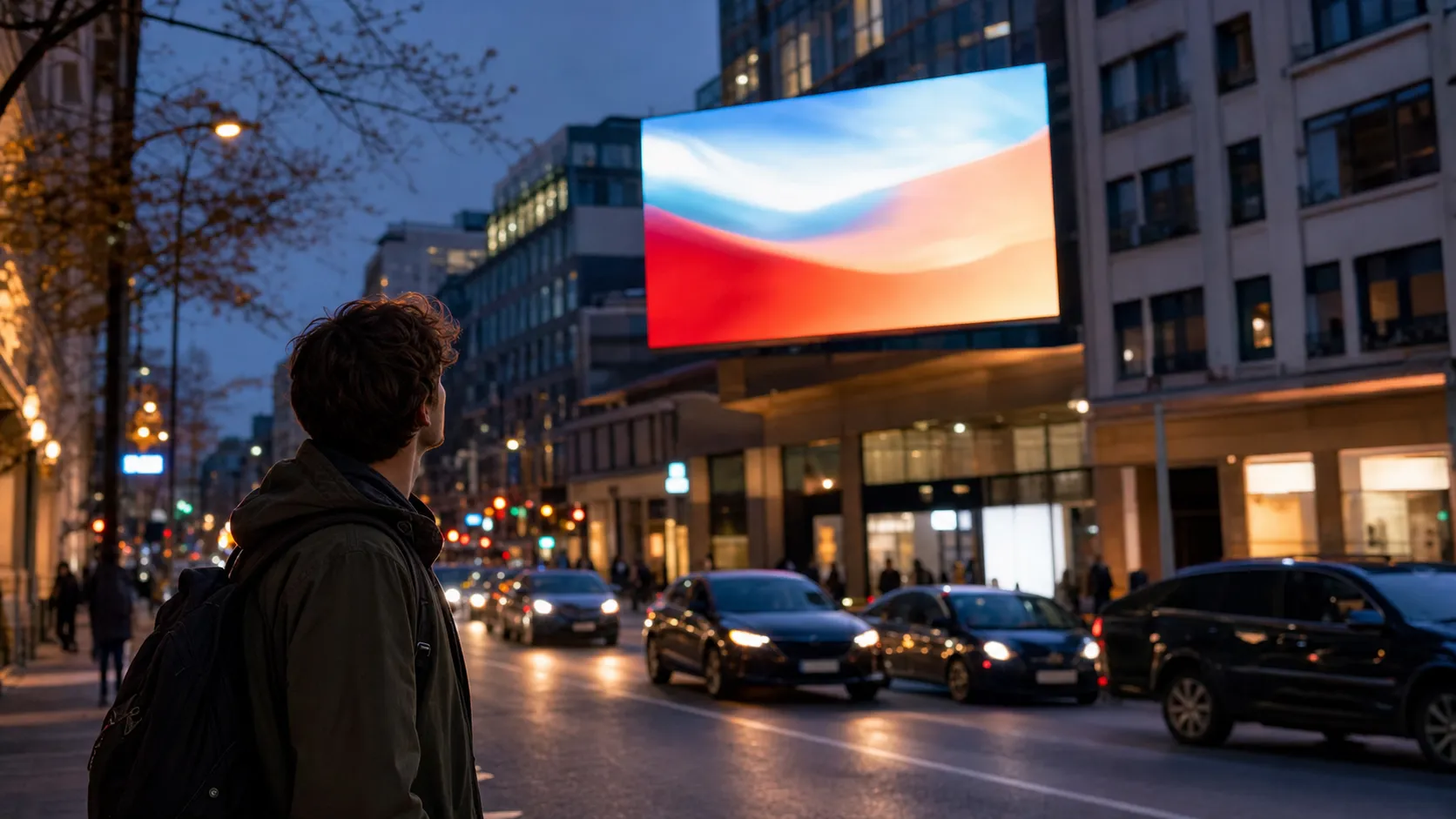
If you have ever paid for a billboard, mailed a postcard, or run a radio spot, you already understand what is traditional marketing in practice. It is the set of offline channels brands leaned on for decades before the internet, and many of these traditional marketing techniques still pull their weight in 2026.
Quick answer
Traditional marketing is any promotion delivered through offline, non-digital channels: television, radio, print advertising, direct mail, billboards, and in-person events. It reaches broad local or mass audiences and builds brand awareness, but it is harder to target and measure than digital marketing.
Key takeaways
- Traditional marketing uses offline media: TV commercials, radio, print, direct mail, outdoor, and events.
- It wins on broad reach, local trust, and tangible marketing materials people keep.
- Its disadvantages are cost, slow feedback, and rough attribution.
- Most operators now blend traditional and digital marketing rather than choosing one side.
- You can measure it with promo codes, dedicated phone numbers, and lift tests.
An introduction to traditional marketing (and what makes it "traditional")
Traditional marketing is the practice of promoting a product or service through established offline channels. The label only exists because digital came along. Before the 2000s, this was simply called marketing, a form of marketing used for decades by every brand you know.
The defining trait is the medium. If the message reaches the target audience without an internet connection, it is traditional. That covers a printed flyer, a 30-second TV commercial, and a banner towed behind a plane at the beach.
The rise of digital marketing did not erase any of this. It simply added a faster, cheaper lane beside it. For the full picture of how offline and online fit together, our marketing strategies hub maps the whole field before you pick channels.

The main types of traditional marketing channels
Most offline spend flows into six buckets. These examples of traditional marketing each reach potential customers in a different moment, so the right one depends on who you sell to and where they spend their attention. Each of these traditional marketing methods carries its own strengths.
Broadcast: television and radio advertising
TV and radio buy attention at scale. A regional cable slot or a local drive-time radio advertising spot can put your brand in front of tens of thousands of people in a single morning.
The trade-off is precision. You pay for everyone in the broadcast area, not just your buyers, so broadcast suits mass-appeal products more than niche B2B tools.
Print advertising: newspapers and magazines
Print marketing still works when the title matches your audience. A trade magazine read by facilities managers, or newspaper ads in a local paper, deliver a focused, credible context. A well-placed print ad feels more permanent than a scrolling feed.
Direct mail marketing
Direct mail lands a physical object in someone's hands. Postcards, catalogs, a pamphlet, or dimensional mailers cut through inbox fatigue. Many operators still use direct mail marketing because response rates often beat cold email for high-value offers.
Out-of-home: billboards and signage
Out-of-home advertising covers the billboard, transit ads, posters, and storefront signage. This traditional advertising builds frequency along commutes and high-traffic areas, keeping your name top of mind without asking for a click.
Events and field marketing
Trade shows, sponsorships, and demos turn marketing into a handshake. Event marketing is expensive per contact, but the conversations and samples create trust that no digital advertising can match.
Traditional marketing does not buy clicks, it buys familiarity, and familiarity is what makes the eventual click feel safe.
Traditional marketing techniques and tactics that still convert
Channels are the "where". Traditional marketing tactics are the "how". A few offline marketing techniques have survived because they map to how people actually decide.
- Repetition for brand awareness. A billboard or radio jingle seen weekly compounds recall in a way a single digital advertisement rarely does.
- Tangible print materials. A glossy catalog or a branded flyer sits on a counter for weeks, working long after the marketing budget is spent. It becomes a marketing tool that keeps selling.
- Local sponsorship. Putting your logo on a community team buys goodwill that performance ads cannot replicate.
- Sampling and demos. Letting people touch the product is the oldest, and still strongest, traditional marketing technique.
Traditional marketing vs digital marketing: the key differences
The honest answer is that this is rarely an either/or decision. Each side covers the other's blind spots, which is why most growing brands run both. Here are the differences between traditional marketing and its online counterpart on the factors that actually change a campaign plan.
| Factor | Traditional marketing | Digital marketing |
|---|---|---|
| Reach | Broad, local or mass | Broad to hyper-targeted |
| Targeting | Demographic and geographic | Behavioral, interest, intent |
| Cost to start | Higher production and placement | Low, can start with $50 |
| Measurement | Indirect (codes, lift, recall) | Direct (clicks, conversions) |
| Speed of feedback | Days to weeks | Minutes to hours |
| Core tactics | Print, TV, radio, direct mail | SEO, email marketing, social |
| Best for | Brand, local, mass awareness | Performance, niche, retargeting |
Digital marketing leans on search engine optimization, content marketing, social media marketing, and email marketing across many digital channels. Compared to digital marketing, traditional media is often broader and slower to react, working as opposed to digital channels that adjust in real time. That contrast is exactly why operators weigh the two side by side. For the online half, our breakdown of digital marketing channels and tactics pairs directly with this table.

Advantages of traditional marketing: when it still wins
Digital advertising gets the headlines, but the benefits of traditional marketing show up in specific situations. Knowing when to lean on these traditional marketing strategies keeps you from copying a tactic that does not fit your buyer. A different marketing channel wins in each case below.
- Local service businesses. A dentist or restaurant reaches its market through local radio, direct mail, and signage faster than national platforms.
- Older or offline-heavy audiences. Print and traditional media still command attention from demographics that ignore online ads.
- High-trust, high-ticket offers. A catalog or an event demo can justify a premium price in a way a 5-second video cannot.
- Saturated digital niches. When everyone bids on the same keywords, an offline channel becomes the cheaper attention.
This is why the channel mix matters more than any single type of marketing. The classic framework for balancing product, price, place and promotion is laid out in our guide to the 5 Ps of the marketing mix.
Disadvantages of traditional marketing you should plan around
Every form of marketing has a downside. Traditional marketing often carries three structural ones. None are dealbreakers, but weigh the advantages and disadvantages before you commit the budget.
Cost and commitment. Production and placement are paid upfront. You cannot pause a printed run or a TV buy halfway through if results disappoint, and it is often more expensive than digital.
Attribution is fuzzy. You rarely know which billboard drove which sale. You infer impact from overall marketing lift, not a clean click path. That is the biggest disadvantage for ROI-focused teams.
Slow iteration. Testing a new headline can mean a new print cycle, while a digital ad swaps in minutes. Slow feedback means fewer shots on goal for the marketing team.
How to measure traditional marketing efforts
The myth that offline cannot be measured is just laziness. You will not get click-level data, but these methods turn vague traditional marketing efforts into defensible numbers when you use traditional marketing as part of a wider plan.
- Unique promo codes printed per channel, so redemptions tie revenue back to a specific traditional marketing campaign.
- Dedicated phone numbers or vanity URLs that only appear in one campaign, a simple lead generation tracker.
- Lift tests: run a campaign in one region, hold out a similar region, and compare sales.
- Post-purchase surveys asking "how did you hear about us?" to capture brand recall.
Pair these with a clear goal. A channel that builds awareness should be judged on reach and recall, not same-week conversions. For building brand value responsibly, see how the societal marketing concept reframes long-term reputation as a metric worth tracking.
Blending traditional and digital marketing in 2026
The operators who win do not pick a tribe. They let offline build trust and online capture the demand it creates, so digital and traditional marketing reinforce each other.
A practical pattern: use out-of-home and radio to seed awareness in a target city, then retarget that region's web traffic with digital ads. The billboard warms the audience, the digital advertisements close it. A marketing agency can run both sides under one plan.
The biggest risk is falling in love with a channel instead of the customer. That tunnel vision has a name, and avoiding it is the whole point of our piece on marketing myopia.
Related guides
Frequently asked questions
What is the traditional definition of marketing?
The traditional definition of marketing is promoting and selling a product or service through offline channels like TV, radio, newspapers, magazines, billboards, and direct mail. It reaches people without the internet and predates digital marketing.
What is an example of traditional marketing?
A clear example is a television commercial, a newspaper print ad, a highway billboard, a direct mail postcard, or a trade show booth. Each delivers a message through an offline medium to a broad audience.
What are the key differences between traditional and digital marketing?
Traditional marketing uses offline media with broad reach and high trust but rough measurement. Digital marketing uses online channels with precise targeting, low entry cost, and direct, click-level tracking through tools like SEO and email.
What are the 4 elements of traditional marketing?
The four elements are the marketing mix: product, price, place, and promotion. These 4 Ps guide every traditional marketing strategy by defining what you sell, how much it costs, where it sells, and how you advertise it.
Is traditional marketing still effective in 2026?
Yes. Traditional marketing still works for local service businesses, older audiences, and high-trust offers. It performs best alongside digital channels in a hybrid mix rather than on its own.
Background reference: Marketing (Wikipedia) and Advertising mail (Wikipedia).