Software
Best Phone Systems For Small Businesses (2026)
Compare the best phone systems for small businesses in 2026, from Nextiva and RingCentral to Ooma and Grasshopper, on price, VoIP quality, and features.
Software
Best Phone Systems For Small Businesses
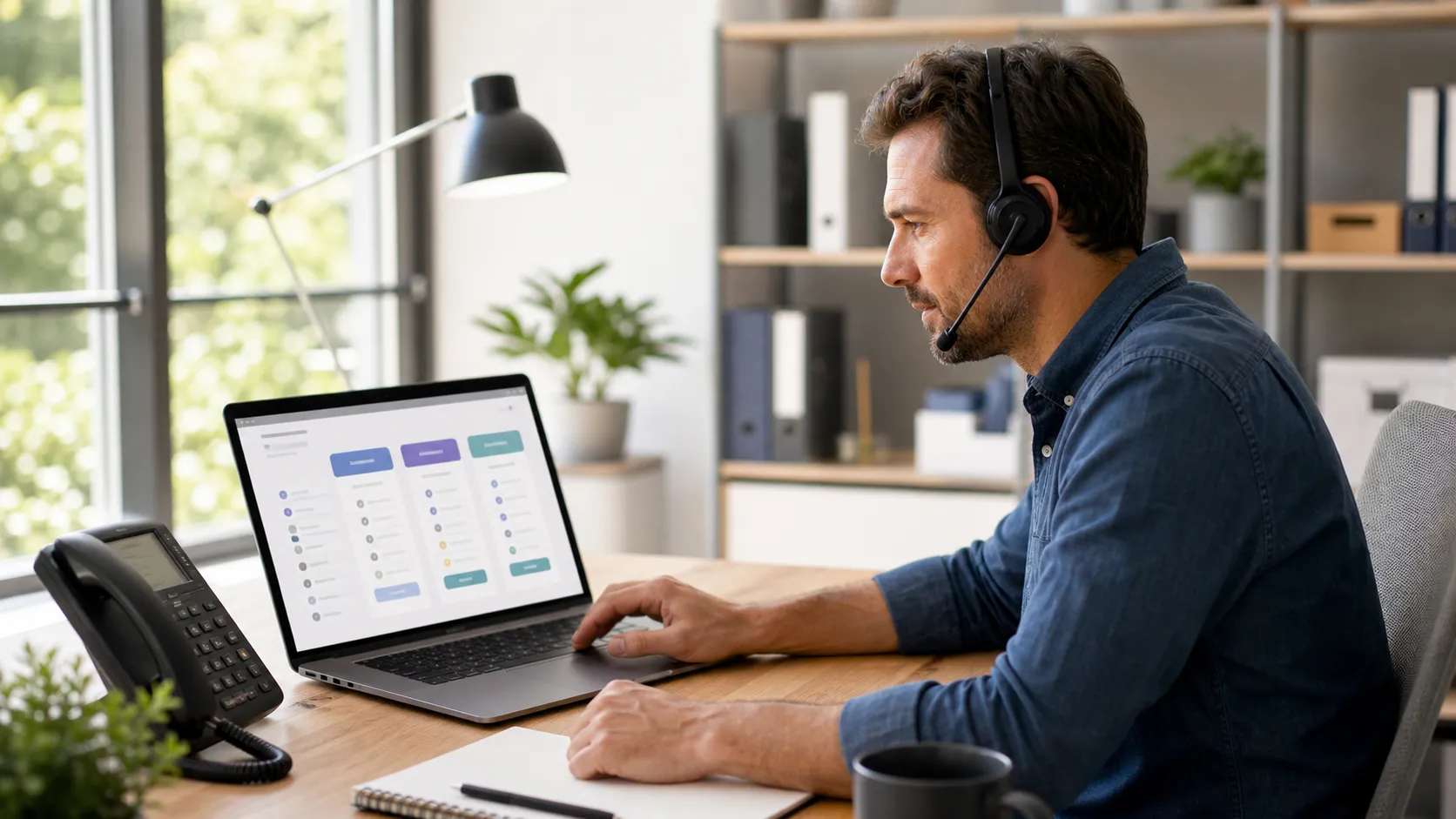
Finding the best phone systems for small businesses in 2026 means weighing VoIP pricing, call quality, and features against how your team actually answers the phone. We tested the leading providers so you do not have to guess which phone system earns its monthly bill.
Quick answer
Nextiva and RingCentral are the best phone systems for small businesses in 2026, both landing around $19 to $25 per user monthly with strong VoIP call quality, mobile apps, and auto attendants included. Ooma fits very small teams on a budget, Vonage Business suits companies with multiple locations, and Grasshopper works for solopreneurs who just need a professional business phone number.
Key takeaways
- Nextiva and RingCentral lead the best business phone systems for most small teams, at $18.95 to $25 per user monthly.
- Ooma Office is the most affordable small business phone system for teams under 10 people.
- Vonage Business Communications is the strongest pick for multi-location or international teams.
- Grasshopper gives solopreneurs a virtual phone number without a full phone system.
- Almost every modern phone system runs on VoIP, so reliable internet matters more than a desk phone.
What Is a Business Phone System and Why Small Businesses Need One
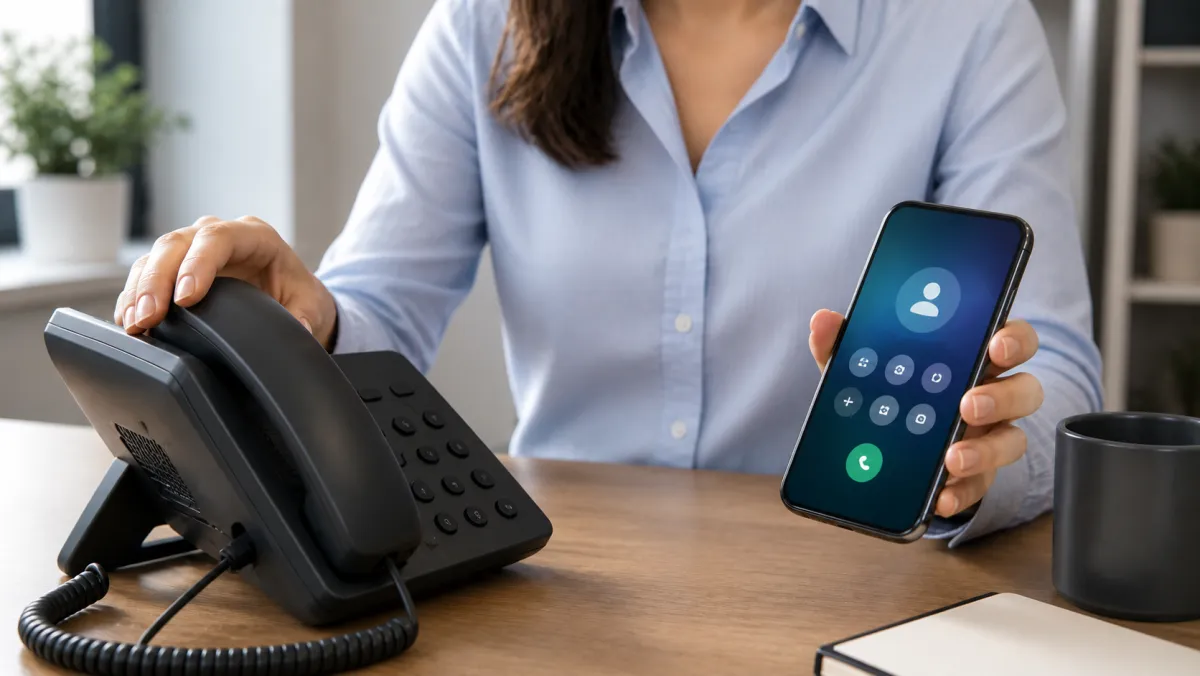
A business phone system is the setup that routes calls, texts, and voicemail for your company, separate from anyone's personal mobile phone. Most modern options run over the internet instead of a copper phone line, which is why VoIP and business phone system are now nearly interchangeable terms.
Small business owners reach for a dedicated system for three reasons: a professional business phone number, call routing that does not depend on one person's mobile phone, and features like voicemail transcription a personal line does not offer. We track every option in our software reviews hub, and phone systems remain one of the highest-impact purchases for small business owners.
You need a phone system as soon as more than one person handles calls, since clear business communication keeps customers from bouncing between voicemail boxes.
The telephone itself has not changed much, but how businesses deliver calls has. A Voice over IP connection now carries most business calls, even on providers that still sell physical desk phones for the front desk.
Any small business that fields more than a handful of calls a week needs a phone system built for it, not a personal cell plan stretched too thin. If you are choosing your first one, the honest starting question is simple: how many people answer calls, and from a desk phone, a mobile phone, or both.
The Best Phone Systems for Small Businesses in 2026
We compared the top business phone systems on pricing, VoIP call quality, support, and how well each fits small teams versus multi-location businesses. There is no single best small business phone system for everyone, but Nextiva and RingCentral top our best small business phone systems list for 2026.
Every VoIP phone service on this list includes unlimited domestic calling as a baseline. If you just want the best VoIP call quality without extra frills, Nextiva and RingCentral both deliver it consistently among the business phone systems of 2026 we tested.
| Provider | Best for | Starting price | Standout feature |
|---|---|---|---|
| Nextiva | Best overall support | $18.95/user/mo | All-in-one desktop app |
| RingCentral | Deepest feature set | $20/user/mo | 500+ integrations |
| Vonage Business | Multi-location teams | $19.99/user/mo | Large app marketplace |
| Ooma Office | Very small teams (1-10) | $19.95/user/mo | Simple setup, no contract |
| Grasshopper | Solopreneurs | $14/mo flat | Virtual number, no hardware |
| Zoom Phone | Teams already on Zoom | $10/user/mo | Bundled video and calling |
| Microsoft Teams Phone | Microsoft 365 shops | $15/user/mo add-on | Built into Teams |
| 8x8 | International calling | Custom pricing | Unlimited calls to 48 countries |
Nextiva: Best Business Phone Service Overall
Nextiva earns the top spot among the best business phone systems because it bundles voice, business texting, live chat, and a real desktop app into one plan starting at $18.95 per user monthly. Support quality is the differentiator: live agents answer fast, and setup rarely needs an IT consultant.
The tradeoff is a smaller integration library than RingCentral. For a small business phone system that just needs to work well out of the box, that tradeoff rarely matters.
RingCentral: Best for Growing Teams
RingCentral positions itself as a full business communications platform, not just a phone system. Core plans start near $20 per user monthly and include SMS, an auto attendant, and unlimited domestic calling.
The catch is the real bill. Add users, premium features, and the occasional overage, and RingCentral pricing climbs faster than the sticker price suggests, though it still fits teams that will use the deeper feature set.
Vonage Business Communications: Best for Multiple Locations
Vonage Business runs $19.99 to $39.99 per user monthly across three tiers, with many advanced features sold as add-ons rather than bundled. Its strength is flexibility for businesses with several locations or developers who want to build on its API.
If your small business needs shared phone numbers across offices, Vonage handles that cleanly. Just budget for add-ons before you commit to the entry-level plan.
Ooma Office: Best Budget Small Business Phone System
Ooma's base plan starts at $19.95 per user monthly and covers the essentials: an auto attendant, voicemail, and a virtual receptionist. Ooma Office Pro at $24.95 adds call recording and video conferencing.
The catch is that Ooma's unlimited minutes are shared across the account rather than truly unlimited per user. For a very small business phone service with light call volume, that rarely becomes a problem.
Grasshopper: Best Virtual Phone System for Solopreneurs
Grasshopper is not a full phone system. It is a virtual phone number that forwards calls and texts to your existing mobile phone, starting at $14 per month flat rather than per user, though extra numbers and required carrier registration fees add up fast.
It fits solopreneurs and small teams that want a professional phone line without hiring, hardware, or a phone bill that scales with headcount. Compared to Nextiva or Ooma, it offers fewer features and no real call routing.
Ooma and Grasshopper are both a good fit for small teams that field fewer than a dozen calls a day and do not need a dedicated receptionist.
Zoom Phone, Microsoft Teams Phone, and 8x8
Three more options round out the top business phone systems worth a look. For teams that already run Zoom meetings daily, Zoom Phone at $10 per user monthly is the simplest phone solution to bolt on.
Microsoft Teams Phone is the cheapest add-on for any business already paying for Microsoft 365, at roughly $15 per user monthly. 8x8 wins on international reach, with unlimited calls to dozens of countries built into its plans.
VoIP Phone Systems vs Traditional Phone Lines
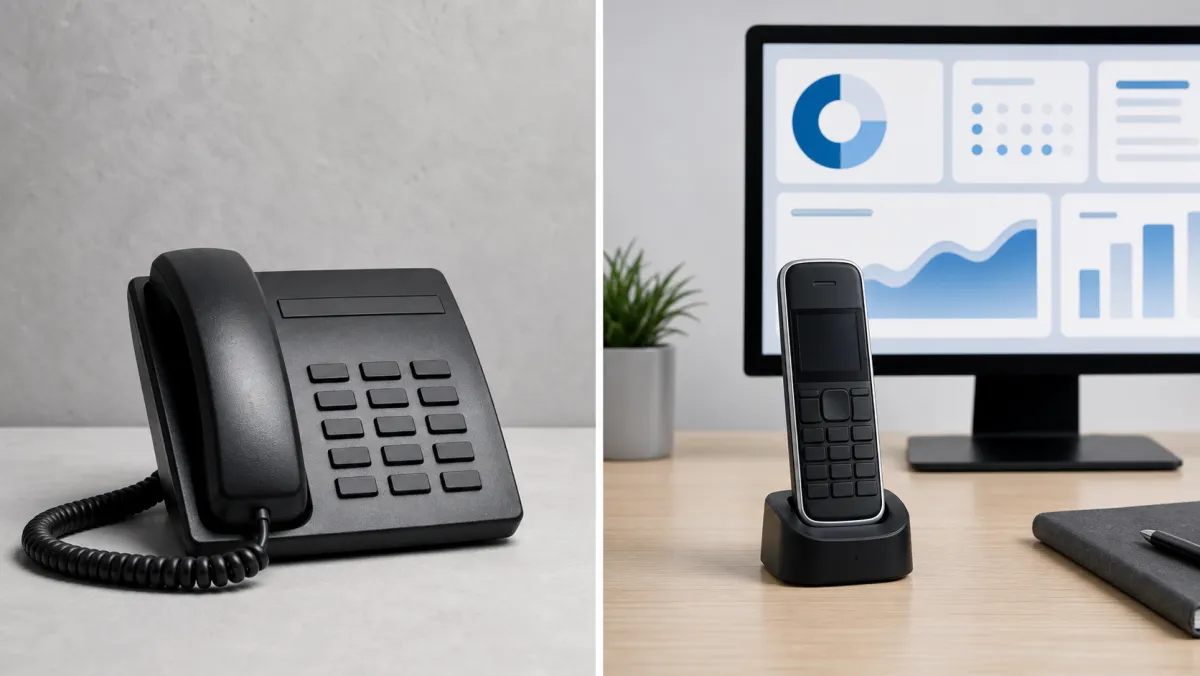
Almost every modern small business phone system on this list runs as a VoIP phone system, meaning calls travel over your internet connection instead of a copper phone line. A VoIP provider turns your internet bandwidth into your phone line, which is why call quality depends on your network as much as the software.
Traditional phone systems still exist, mostly in older offices with existing PBX hardware. They cost more to maintain, are harder to scale, and rarely include modern features like voicemail transcription or a mobile app.
A dependable VoIP service needs enough upload bandwidth for every simultaneous call, not just a fast download speed. Skimping on that is the most common reason a new phone system sounds choppy in its first week.
Office phone setups used to require a wiring closet full of PBX hardware. A cloud phone system flips that: add a user in the admin dashboard, ship them a desk phone or point them to the mobile app, and they are answering a business phone number within minutes.
Business calls that once required a dedicated line now ride the same internet connection as your email. Modern phone systems rarely need an on-site technician, and most VoIP systems bill monthly per user with no long-term contract required.
The one real advantage of a traditional phone line is that it survives an internet outage. Some VoIP providers offer failover to mobile phone forwarding for exactly that reason, worth checking before you cancel your last analog line.
The best phone system is not the one with the longest feature list. It is the one your team can set up, answer, and forget about.
How to Choose the Best Small Business Phone System
Choosing a phone system starts with three questions: how many people need to answer calls, how many locations you run, and how deep your monthly budget goes per user. Choosing a business phone system for a growing team just adds one more variable, room to add seats without switching providers later.
A reliable small business phone system needs strong uptime and clear call audio, not just a low price. Start by counting seats: a phone system for small businesses under 10 people rarely needs RingCentral's full feature set, since Ooma or Grasshopper usually covers it for less.
Next, list the phone system features you actually use today: an auto attendant, business hours settings that route after-hours calls to voicemail, call recording for training, or shared phone numbers for a support inbox. Compare phone features line by line and skip anything you cannot name a use for. Most phone systems offer these as standard, so treat anything less as a dealbreaker.
Hardware is optional on most modern phone systems. You can run the entire setup through a mobile app and a desktop softphone with no physical phone on a single desk. If you do buy hardware, most providers support any SIP-compatible IP phone, not just their own branded devices.
Teams that still want a cordless phone system for warehouse or retail staff can usually add compatible handsets for a flat per-device fee. Finally, test call quality on your actual office internet before you commit, not just a demo on the provider's showroom Wi-Fi.

Business Phone System Cost: What Small Businesses Actually Pay
Business VoIP pricing keeps falling as more providers compete for small business owners' attention. Most small business phone systems land between $15 and $30 per user monthly for a core plan, covering unlimited domestic calling, an auto attendant, voicemail, and a mobile app.
The real phone bill grows from add-ons. Extra phone numbers, international minutes, call recording storage, and premium support tiers can push a $20 plan closer to $35 or $40 per user once a small business actually uses them.
Desk phones add a one-time hardware cost if you want a physical phone on every desk, typically $50 to $150 per handset. Skip hardware entirely and that cost disappears, since every plan includes a softphone app.
Annual billing usually saves 15 to 20 percent over month-to-month pricing across every provider we tested. Locking in annual billing only makes sense once you trust the provider, so start month-to-month during your trial.
Setting Up Your New Business Phone System
Moving to a new phone system takes a few hours, not weeks, for most small businesses. Whether this is your first system or a new business phone upgrade, port your existing business phone number first, since number porting is the only step with a real waiting period.
While porting is pending, configure your auto attendant, business hours settings, and call routing rules so calls land correctly from day one. Add team members, assign extensions, and connect the mobile app before the old line shuts off.
Most providers let you build a custom phone system by mixing an office main line with shared phone numbers for support or sales. Test every path, main line, voicemail, and after-hours message, before you tell customers the new number.
Once the new business phone system is live, cancel the old traditional phone line only after a full week of clean call logs. That overlap week catches routing mistakes before customers notice them, and switching VoIP provider again later stays easy since you keep your number.
Communication does not stop at the phone system. Pair your new setup with the right productivity tools for your team so calls, chat, and tasks live in one workflow.
Add a small business security software layer too, since VoIP accounts are a real phishing target once your whole team relies on them daily.
If your team also runs regular check-ins, our performance review examples help managers keep that feedback human, not just another line on the phone bill. Match the phone system to your actual business needs, not the brand name that shows up first in search.
Related guides
Best Phone Systems For Small Businesses: FAQ
What is the best 3-line phone system for a small business?
Ooma Office and Grasshopper both handle a 3-line setup well for a small business, since neither charges the way older PBX hardware did per line. Ooma suits a small office that wants a shared main line plus two direct numbers, while Grasshopper fits a solo operator routing three virtual numbers to one mobile phone.
What is the best phone for a small business?
For most small businesses, the best phone is not a device, it is the VoIP phone system behind it. Ask about the best VoIP phone hardware only after you pick that system: Nextiva and RingCentral both support desk phones from Poly and Yealink, but the mobile app and desktop softphone cover most small business owners without buying anything extra.
What is the best phone service for a small business?
Nextiva is the best phone service for most small businesses in 2026, combining strong VoIP call quality with live support that actually answers. RingCentral is the closest alternative if your business needs a deeper feature set and more integrations than Nextiva offers.
Can I use my EIN to get a cell phone?
Yes, most major carriers and VoIP providers let you open a business account with an EIN instead of a personal Social Security number. You will still need a business phone number and, in most cases, a personal guarantee or business credit check before the account gets approved.