Marketing
Examples Of Unique Selling Proposition (2026 Guide)
Real examples of unique selling proposition that win customers, plus the value proposition definition, types, and a step-by-step way to write your own.

The best brands do not sell better products. They sell a sharper reason to choose them. That reason is your unique selling proposition, and the strongest examples of unique selling proposition read like a promise the competition simply cannot copy.
I have helped operators rewrite dozens of these, and the pattern never changes: clarity beats cleverness, and specificity beats hype. If you want the wider picture first, our marketing fundamentals guide shows where positioning sits in the funnel.
Quick answer
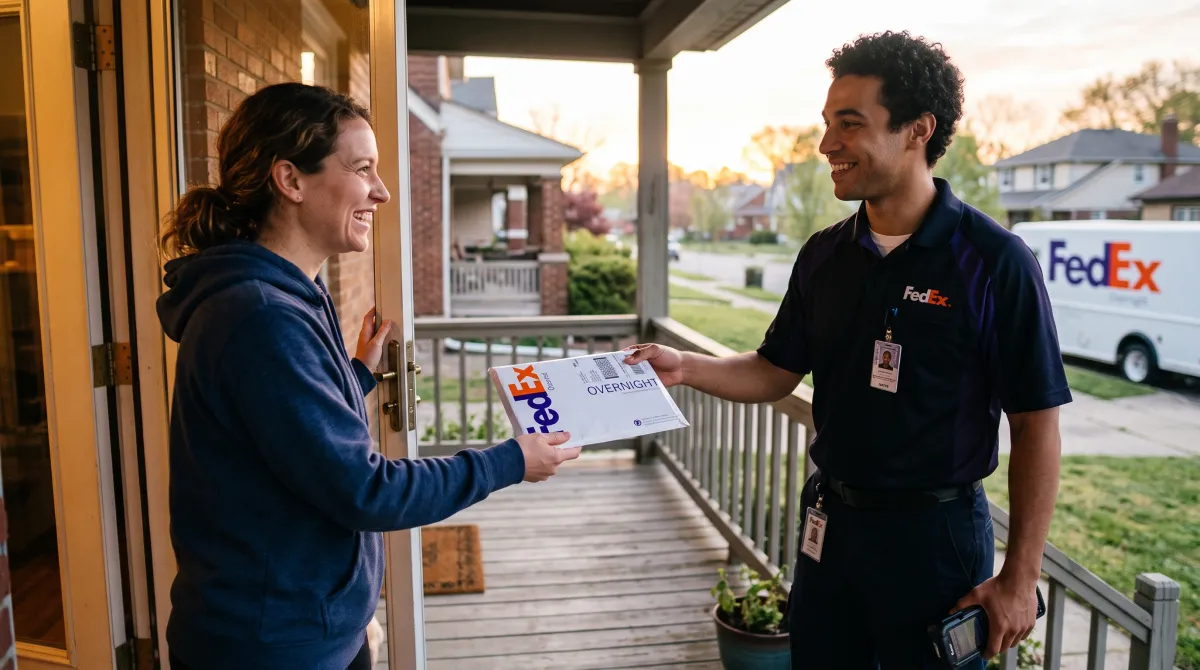
A unique selling proposition is the single, specific benefit that makes your offer the obvious choice over rivals. The best examples promise one concrete outcome, name the customer, and back it with proof, like FedEx's "when it absolutely, positively has to be there overnight."
Key takeaways
- A USP names one benefit your competitors cannot honestly claim.
- Strong examples are specific, customer-led, and provable, never vague slogans.
- Your value proposition is the wider promise; the USP is its sharpest edge.
- Write it in a sentence a customer would repeat to a friend.
- Test it against the question: would a rival say the exact opposite?
What Is a Unique Selling Proposition?
A unique selling proposition is the distinct benefit that sets your product apart and gives buyers a reason to pick you. It answers one blunt question fast: why you, and not them?
Coined by advertising legend Rosser Reeves in the 1940s, the idea is simple. Make a specific claim, make it one a competitor cannot match, and make it strong enough to move people to act.
That last part matters. A USP is not a tagline you admire. It is a wedge you drive between you and everyone else chasing the same customer.
Value Proposition Definition and Meaning
People mix these terms up constantly, so let us settle it. The value proposition definition is the full promise of value a customer gets from choosing you, across price, quality, service, and outcome.
The value proposition meaning goes one layer deeper. It is the reason your offer is worth more to a specific buyer than the alternatives, including doing nothing at all.
Think of it this way. The value proposition is the whole argument. The USP is the headline of that argument, the one line that does the heavy lifting.
If your competitor could put your slogan on their website with a straight face, you do not have a unique selling proposition yet.
Examples of Unique Selling Proposition That Actually Work
Theory is cheap. Here are real examples of unique selling proposition from brands that turned a single promise into a market position.
| Brand | The promise | Why it works |
|---|---|---|
| FedEx | "When it absolutely, positively has to be there overnight." | Names the exact outcome and the emotional stakes of failure. |
| Death Wish Coffee | "The world's strongest coffee." | One ownable claim that polarizes and attracts its tribe. |
| Warby Parker | Try five frames at home, free, before you buy. | Removes the single biggest risk of buying glasses online. |
| Domino's (historic) | "Fresh, hot pizza in 30 minutes or it's free." | Specific, time-bound, and self-penalizing if broken. |
| TOMS | Buy a pair, give a pair. | Bakes purpose into the purchase, not just the product. |
Notice the pattern. Each one is concrete, easy to repeat, and risky for the brand to promise. That risk is exactly what makes buyers believe it.
Compare these to the lifeless "high quality at great prices" that every dying business uses. A USP that anyone could claim is worth nothing.
Types of Value Proposition
Not every promise pulls the same lever. The main types of value proposition map to what your buyer cares about most.
- Price: you cost less for the same job (Aldi, Ryanair).
- Quality or performance: you do the job better (Dyson, Bosch).
- Convenience: you save time or hassle (Amazon Prime, Uber).
- Outcome or risk reduction: you guarantee the result (Warby Parker's home try-on).
- Identity or values: buying you says something (Patagonia, TOMS).
Pick one to own. Trying to win on all five at once is the fastest way to sound like everyone and persuade no one.
Benefits of a Value Proposition
Founders often treat this as a branding nicety. It is not. The benefits of value proposition work hit revenue, retention, and recruiting.
- Higher conversion, because visitors grasp your reason to buy in seconds.
- Lower acquisition cost, since a sharp message does more selling for you.
- Stronger pricing power, because differentiation breaks the price comparison.
- Easier hiring, as a clear promise tells talent what they are building.
A clear proposition also sharpens your whole marketing mix, from product decisions to promotion, so every channel pulls in the same direction.

How to Write Your USP: A Step by Step Method
Here is the value proposition step by step process I run with operators. It takes an afternoon, not a quarter.
- Name the customer. One segment, not "everyone". Specificity is leverage.
- List the real job. What outcome do they actually hire you for?
- Audit rivals. Write down what each competitor promises. Find the gap.
- Claim the gap. Pick one benefit only you can prove and own it loudly.
- Add proof. A number, a guarantee, a demo. Belief follows evidence.
- Compress it. One sentence a customer could repeat at dinner.
These value proposition techniques are simple but unforgiving. If step four is hard, you have a differentiation problem, not a wording problem.
Best Practices, Strategies, and Common Mistakes
Solid value proposition best practices share one trait: they resist the urge to say more. Cut every word that does not earn its place.
Smart value proposition strategies also test the claim against reality. Run it past five customers and ask them to say it back. If they reword it into mush, it is not sticky enough yet.
The common value proposition mistakes repeat across every industry I have audited:
- Listing features instead of the benefit those features create.
- Using vague superlatives ("best", "leading") with no proof.
- Trying to appeal to every buyer and reaching none of them.
- Copying a competitor's angle instead of finding your own.
Done well, this thinking does not stay in marketing. Strong value proposition in the workplace conversations align product, sales, and support around the same promise, which is why it shows up so often in hiring.
USP Skills, Interview Questions, and the Personal Angle
The same logic applies to your career. A personal value proposition is the one reason a company should hire you over a similar candidate.
That is why value proposition interview questions like "why should we pick you?" trip people up. They reward the same clarity a brand needs: one specific strength, backed by a concrete result.
The underlying value proposition skills are transferable. Knowing your edge, proving it with evidence, and saying it in one line wins customers and offers alike. For the strategy behind responsible positioning, the societal marketing concept is worth a read.
Related guides
Examples of Unique Selling Proposition: FAQ
What is a value proposition?
A value proposition is the full promise of value a customer gets from choosing you, covering the benefit, who it is for, and why it beats the alternatives. The USP is its single sharpest claim.
What is a SWOT analysis and can you give examples?
SWOT analysis examples map Strengths, Weaknesses, Opportunities, and Threats, such as a startup listing a strong product (strength), thin cash (weakness), a new market (opportunity), and a large rival (threat). It feeds directly into a sharper USP.
What are some digital marketing examples that use a USP?
Digital marketing examples include email subject lines, landing page headlines, and ad copy that lead with one specific benefit, like "book a demo and ship in a week." The USP becomes the hook every channel repeats.
What are inferior goods examples and why do they matter here?
Inferior goods examples are products people buy less of as income rises, such as instant noodles or generic store brands. They matter because a price-based USP works best when your buyer genuinely prioritizes cost.
What are market segmentation examples for a value proposition?
Market segmentation examples include splitting buyers by need, behavior, or demographics, like "time-poor parents" versus "budget students." Each segment usually needs its own tailored value proposition to convert well.