Software
Inventory Control Software Small Business (2026)
Compare 6 inventory control software small business picks for 2026: real pricing, standout features, and which tool actually fits your order volume.
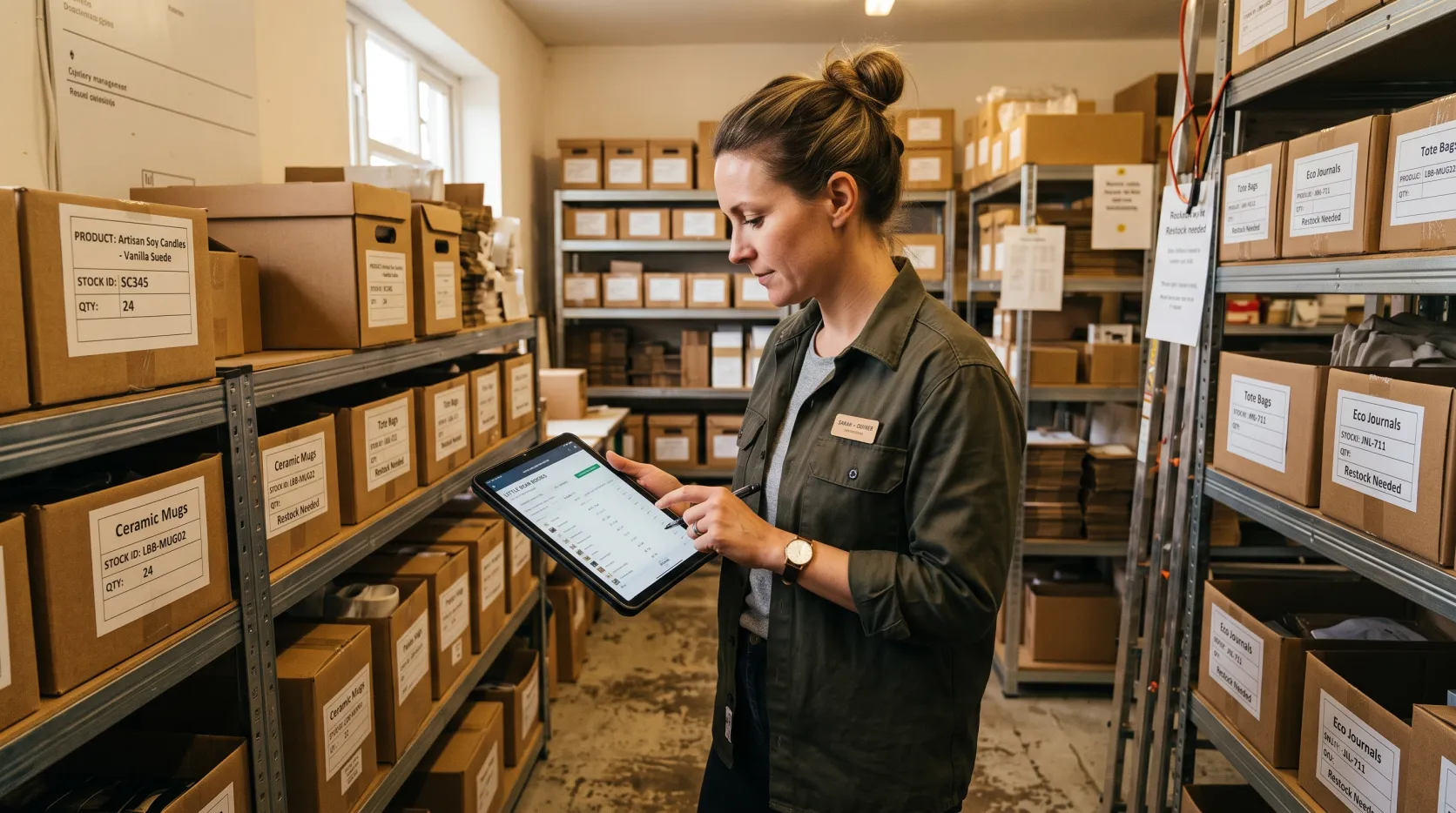
Picking the inventory control software small business teams can actually run, without hiring an IT department, comes down to matching stock volume and sales channels to the tool built for that volume. This guide compares six real 2026 options on pricing, features, and where each one breaks down.
Quick answer
For most small teams, Zoho Inventory is the best starting point because of its free tier and Zoho Books integration. Businesses selling across five or more channels at real volume should look at Cin7 Core instead, and wholesalers need inFlow for its B2B showroom and bin tracking.
Key takeaways
- Zoho Inventory's free tier (50 orders/month) is the cheapest real starting point before paying anything.
- Cin7 Core starts at $349/month and only pays off once you're processing 500+ orders a month across channels.
- inFlow and Sortly both handle physical bin and barcode tracking that spreadsheet-replacement tools like Zoho skip.
- Ordoro is the only option built shipping-first, useful if you're already juggling a carrier account and a spreadsheet.
- Match the tool to your order volume first. Features you won't use for a year aren't worth paying for now.
What Is the Best Inventory Control Software Small Business?
The best inventory control software small business teams actually use depends on order volume more than feature lists. If you're comparing this category against other tools in our small business software reviews, start by counting monthly orders, not reading feature charts.
Search listings mix a few labels for this category. You'll see it called inventory management software small business, small business inventory management software, small business inventory software, or inventory software small business depending on the review site.
The label rarely matters here. What matters is whether the tool tracks stock, orders, and reorder points without a manual spreadsheet, whatever you search it as.
Per Wikipedia's definition, this category of software exists to record and track stock levels, orders, and deliveries across one or more locations. Zoho Inventory wins on price for anyone under roughly 500 orders a month. Cin7 Core earns its higher cost once you're syncing stock across five or more sales channels at real scale.
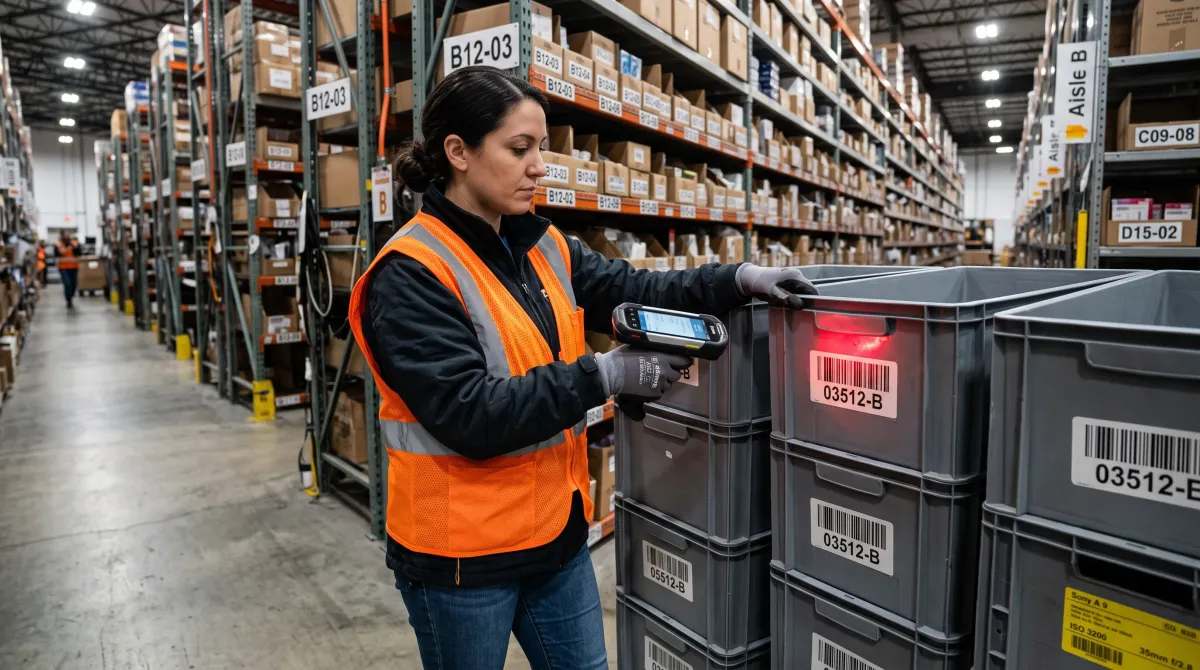
inFlow and Sortly serve a different job entirely: tracking physical stock in a warehouse or stockroom with barcode scans and bin locations, which spreadsheet-replacement tools skip. Ordoro sits in between, built for sellers who need shipping and inventory in one dashboard instead of two.
Best Inventory Control Software Small Business Compared
Six tools cover almost every small-business scenario, from a single-location shop tracking a few hundred SKUs to a multichannel brand syncing Shopify, Amazon, and a wholesale showroom. Pricing below reflects published 2026 rates; confirm current tiers before you buy, since vendors adjust plans often.
| Tool | Best for | Starting price | Standout feature |
|---|---|---|---|
| Zoho Inventory | Tightest budget, just starting out | Free (50 orders/mo), then $39/mo | Native Zoho Books integration |
| Cin7 Core | Multichannel selling at scale | $349/mo | 700+ integrations, demand forecasting |
| inFlow Inventory | Wholesale and B2B with warehouses | About $110/mo for 2 users | B2B showroom, bin tracking |
| Ordoro | Shipping-first e-commerce sellers | $59/mo | Shipping and inventory in one dashboard |
| Sortly Pro | Simple physical stock tracking | $49/mo | Photo and QR-code tracking, no onboarding |
| Lightspeed Retail | Brick-and-mortar POS plus inventory | $89/mo (annual) | Built-in POS, supplier catalogs, loyalty |
Don't pay $349 a month for multichannel forecasting you won't touch for another year of orders.
Best for tightest budgets
Zoho Inventory Free, then from $39/mo
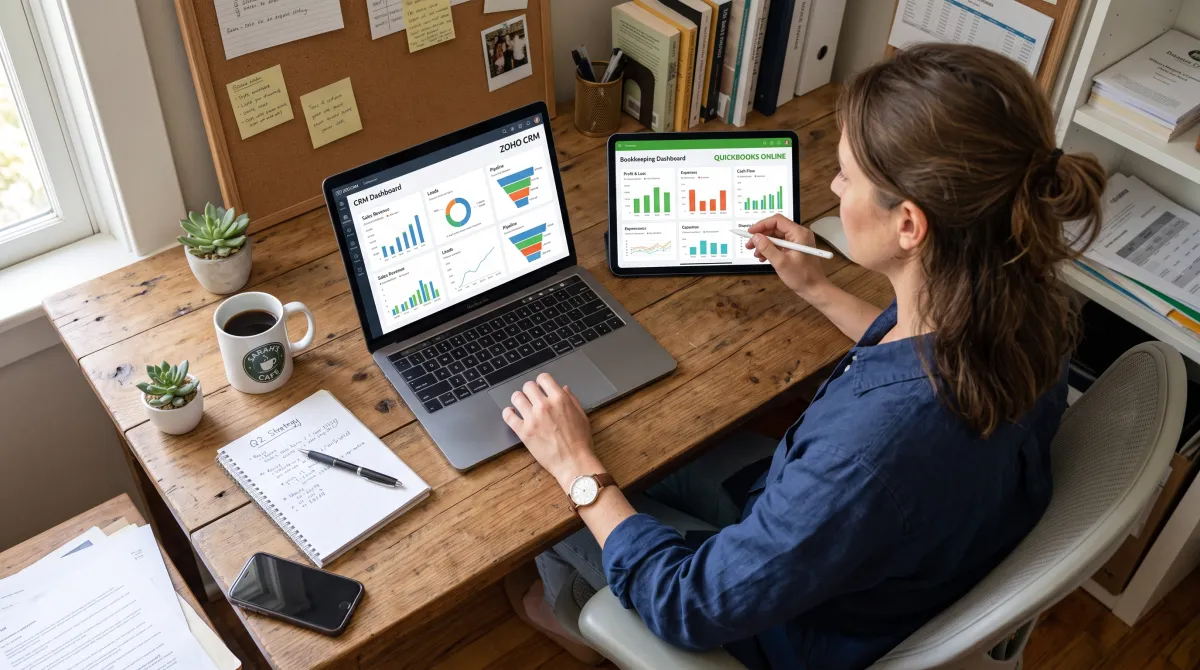
If you're under 500 orders a month and already use Zoho Books or Zoho CRM, start here. The free tier covers basic stock tracking before you commit to anything.
Pros
- Free plan with 50 orders/month, 1 warehouse, 2 users
- Tight native integration with Zoho Books
- Multichannel selling built into every paid tier
Cons
- No bin-level or scan-based warehouse tracking
- Feature ceiling once you outgrow a single warehouse
Best for multichannel scaling
Cin7 Core From $349/mo
Cin7 earns its price once you're running 500 to 5,000 orders a month across Shopify, Amazon, Walmart, and a physical store. Under that volume, it's overkill.
Pros
- 700+ integrations across major sales channels
- AI-assisted demand forecasting
- Handles warehouse, retail, and online in one system
Cons
- $349/mo entry price is hard to justify under 500 orders/month
- Setup and onboarding take real time
Best for wholesale and B2B
inFlow Inventory About $110/mo for 2 users
inFlow's B2B showroom lets wholesale buyers place orders directly, which makes it the cleanest option for small manufacturers and distributors running a warehouse.
Pros
- Barcode scanning and bin locations out of the box
- B2B showroom for wholesale ordering
- Clean mobile app for warehouse staff
Cons
- Per-seat pricing adds up fast as your team grows
- Not built for high-volume multichannel e-commerce
Best for shipping-first sellers
Ordoro From $59/mo
Ordoro started as a shipping tool and added inventory later, so it's the pick if you're already comparing carrier rates and printing labels every day.
Pros
- Shipping and inventory sync in one $59/mo plan
- Native dropshipping and supplier management
- Consolidates tools sellers usually run separately
Cons
- Free tier covers shipping only, not inventory
- Multichannel sync lags Cin7 on high-volume days
Best for simple physical tracking
Sortly Pro From $49/mo
Sortly trades e-commerce features for something a lot of shops need more: a mobile app anyone can learn in about 10 minutes, no consultant required.
Pros
- Photo, QR-code, and barcode tracking in one app
- No implementation consultant or two-week onboarding
- Works well for equipment and asset tracking too
Cons
- No multichannel e-commerce sync
- Lacks the purchasing and forecasting depth of Cin7
Best for brick-and-mortar retail
Lightspeed Retail From $89/mo (annual)
Lightspeed bundles point-of-sale hardware with inventory, so stock updates the instant something sells in-store or online. It's pricier than inventory-only tools, but you're also replacing your POS.
Pros
- POS and inventory update together in real time
- Built-in supplier catalogs with one-click reordering
- Analytics and loyalty programs included
Cons
- Costs more than POS-only or inventory-only alternatives
- Less useful if you don't need new POS hardware
How to Choose Inventory Control Software Small Business
Start with order volume, not features. A tool built for 5,000 orders a month will feel bloated and expensive if you're processing 80. Work backward from where your business actually is today.
Check what you're already running before adding another subscription. If you manage HR tasks through HR software, look for an inventory tool that can share vendor and staff data instead of forcing manual entry twice.
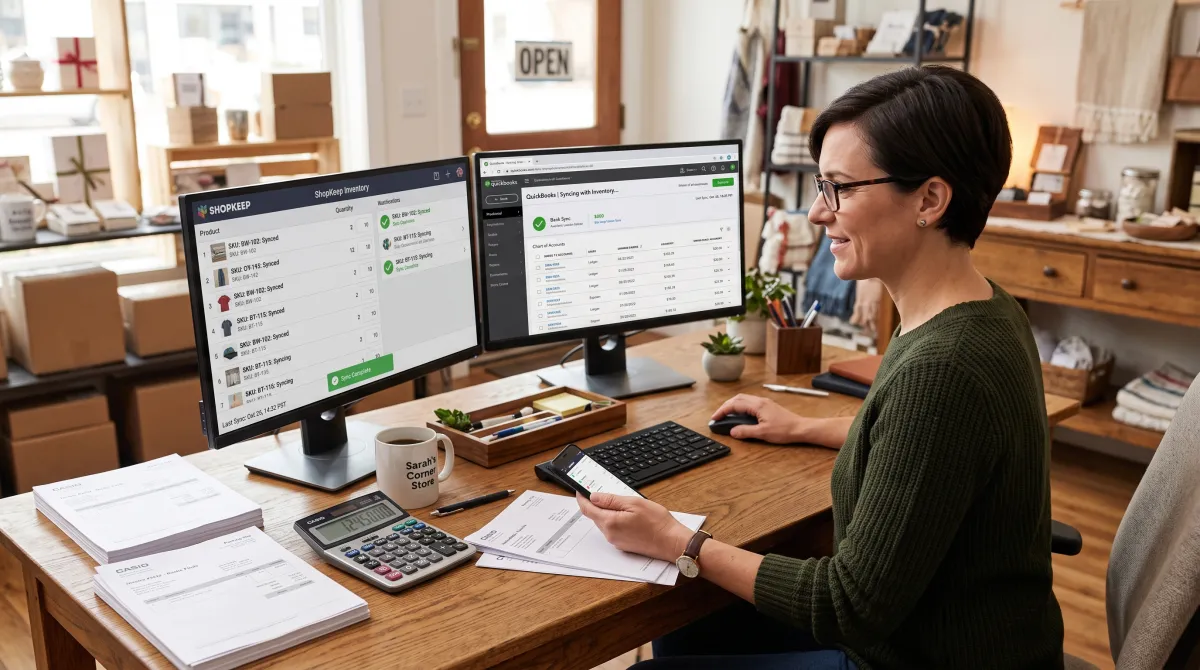
The same logic applies to bookkeeping. Teams running free accounting software like Wave should pick an inventory tool with a direct export, not another CSV file to reconcile every week.
Also weigh where inventory data lives once it leaves your warehouse. If your team already runs projects through a project management software platform, some inventory tools plug into the same workspace for purchase order approvals.
Security matters more than most small business owners assume, since inventory software holds supplier contracts, cost data, and sometimes customer addresses. Pair whatever you choose with the protections covered in our best security software for small business guide.
Think about who is actually doing the counting, too. A five-person retail team benefits more from productivity tools for teams and a dead-simple mobile app than from a system built for a 40-person warehouse crew.
If inventory costs need to reconcile with your books every month, check how each tool exports to your accounting platform. We compared the two most common choices in QuickBooks vs Xero, since both integrate with most tools on this list.
Physical stock still has to come from somewhere, and for many small retailers that means buying in bulk from a warehouse club. Costco Business Center locations exist specifically for this, stocking case packs and commercial quantities a regular Costco doesn't carry.
Finding Costco business centers locations near your warehouse can cut per-unit costs on fast-moving SKUs. Buying there requires a Costco membership business account rather than a personal one.
Paying for large bulk orders is easier with financing already in place. A secured business credit card is often the fastest way to start building a business credit score strong enough for supplier trade credit or a higher-limit card later.
Switching inventory software later is disruptive, since you're re-mapping SKUs, suppliers, and historical stock counts. Pick a tool with room to grow into its next tier rather than one you'll outgrow within a year, but don't pay today for a ceiling you won't hit for two or three years.
Inventory Control Software Small Business: FAQ
What is the best free inventory software for a small business?
Zoho Inventory offers the most usable free tier in 2026, covering 50 orders a month, one warehouse, and two users before you pay anything.
How much does inventory control software cost for a small business?
Entry-level tools like Sortly Pro and Zoho Inventory start between free and $49 a month, while multichannel platforms like Cin7 Core start at $349 a month once you scale past a few hundred orders.
Can I still use a spreadsheet instead of inventory software?
Spreadsheets work until you're managing more than one sales channel or location, at which point manual updates create stock errors that cost more than a $39 to $59 monthly subscription.
Do I need barcode scanning for a small retail business?
Barcode or QR-code scanning becomes worthwhile once you're tracking more than a couple hundred SKUs, since manual counts at that scale reliably introduce errors.
Which inventory software integrates best with accounting tools?
Zoho Inventory syncs natively with Zoho Books, while most other tools on this list, including Cin7 and inFlow, export directly to QuickBooks and Xero.
Is Cin7 Core worth it for a small business?
Only if you're processing at least 500 orders a month across multiple channels. Below that volume, the $349 monthly starting price outweighs the demand-forecasting and integration benefits.
None of these six tools is universally best. The right inventory control software small business owners should pick is whichever one matches today's order volume and sales channels, with enough headroom to grow into the next tier without a full migration.