Software
Best Paying Jobs in Miscellaneous Manufacturing (2026)
See the best paying jobs in miscellaneous manufacturing industries for 2026, from $92,000 engineering roles to $45,000 entry-level trades. Compare pay by role.

The best paying jobs in miscellaneous manufacturing industries are engineering roles: manufacturing systems engineers earn about $92,000 a year (roughly $44 an hour), quality assurance engineers about $86,000 and process engineers about $81,000. Without a four-year degree, the top earners are operations analysts at about $67,000 and industrial electricians at about $58,000.
This corner of the economy (official code NAICS 339) covers medical device shops, jewelry makers, sporting goods plants, sign fabricators, and toy manufacturers. Job boards lump all of it under one vague label, which hides how well some of these roles pay. Below: pay by role with the hourly equivalent, the degree-versus-trade math, and how to check whether an offer is fair.
Quick answer
The best paying jobs in miscellaneous manufacturing industries are engineering and quality roles: manufacturing systems engineers ($92,000), quality assurance engineers ($86,000), and process engineers ($81,000) lead the pack. Entry-level workers without a degree can still reach $45,000 to $67,000 as machinists, industrial electricians, or operations analysts.
Key takeaways
- Engineering and quality roles pay $74,000 to $92,000 and require a bachelor's degree.
- Skilled trades like industrial electrician and machinist pay $45,000 to $58,000 with only an apprenticeship or certificate.
- Miscellaneous manufacturing includes medical devices, jewelry, sporting goods, toys, and signage, so pay varies by subsector.
- Reshoring and automation demand are pushing wages up faster than the national manufacturing average.
- On a full-time year of 2,080 hours, $45,000 is about $21.63 an hour and $92,000 about $44.23.
What Counts as Miscellaneous Manufacturing?
Miscellaneous manufacturing is the government's catch-all for factories that do not fit neatly into categories like automotive or food processing. Think medical equipment, musical instruments, jewelry, brooms, signs, and sporting goods.
Because the subsector is so varied, pay ranges swing widely. A quality inspector at a jewelry workshop and a process engineer at a medical device plant both sit under the same NAICS code, but their paychecks look nothing alike.
Readers researching this topic are usually deciding between two paths: pursue an engineering degree for the highest ceiling, or enter through a trade for faster, debt-free income. This guide covers both and shows where the two paths cross.
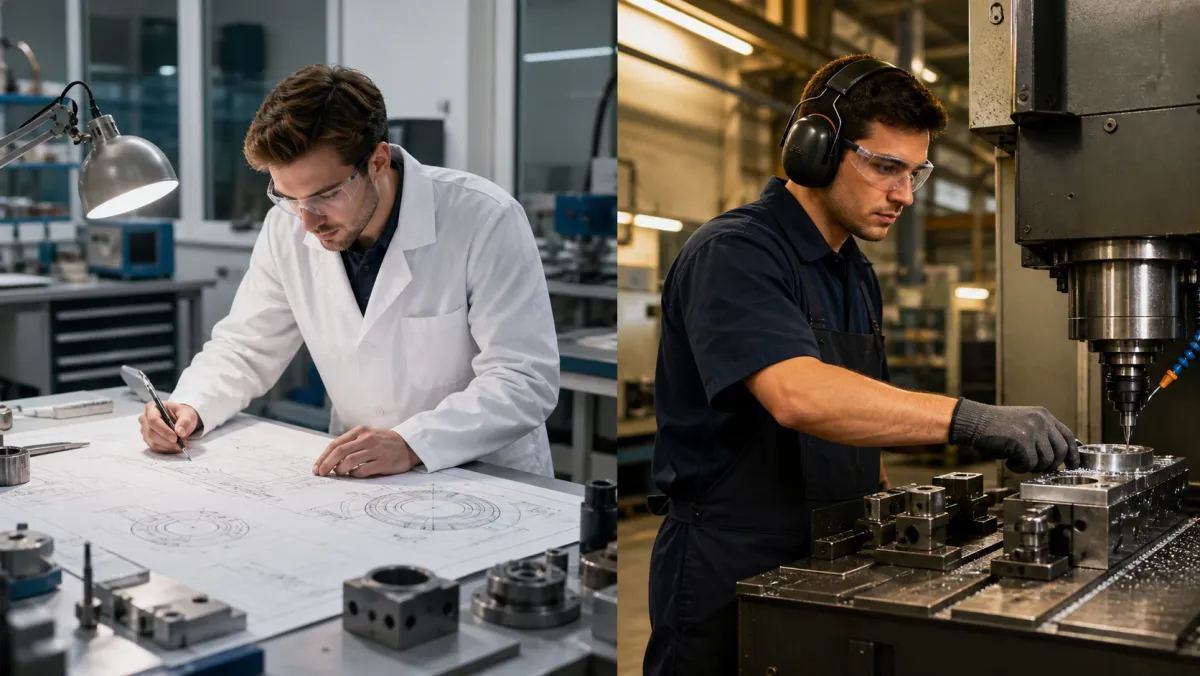
Highest Paying Roles With a Degree
Degree-holding roles dominate the top of the pay scale. According to Bureau of Labor Statistics wage data, engineering occupations across manufacturing consistently outpace the U.S. average wage of roughly $67,920 a year, and the miscellaneous subsector follows that pattern closely.
| Role | Typical Annual Pay | Minimum Education |
|---|---|---|
| Manufacturing Systems Engineer | $92,000 | Bachelor's degree |
| Quality Assurance Engineer | $86,000 | Bachelor's degree |
| Process Engineer | $81,000 | Bachelor's degree |
| Mechanical Engineer | $79,000 | Bachelor's degree |
| Design Engineer | $79,000 | Bachelor's degree |
| Industrial Engineer | $78,000 | Bachelor's degree |
| Manufacturing Engineer | $76,000 | Bachelor's degree |
| Industrial Designer | $75,000 | Bachelor's degree |
| Continuous Improvement Engineer | $74,000 | Bachelor's degree |
| Industrial Hygienist | $60,000 | Bachelor's degree |
Plant-level leadership pays even more. General and operations managers overseeing a manufacturing facility average well into six figures, though those roles usually require five or more years of shop-floor or engineering experience before promotion.
To compare these salaries with an hourly offer, divide by 2,080 (40 hours a week, 52 weeks): $81,000 is about $38.94 an hour and $76,000 about $36.54. Our hourly to salary calculator does the conversion with your real hours, including overtime.
Best Paying Roles Without a Degree
Not every high-paying seat requires four years of college. Vocational training, apprenticeships, and certificates open several roles that pay above the median household income.
| Entry-Level Role | Typical Annual Pay | About Per Hour | Path In |
|---|---|---|---|
| Operations Analyst | $67,000 | $32.21 | Associate degree or certificate |
| Industrial Electrician | $58,000 | $27.88 | Apprenticeship |
| Calibration Technician | $48,000 | $23.08 | Technical certificate |
| Industrial Maintenance Mechanic | $48,000 | $23.08 | Apprenticeship |
| Machinist | $45,000 | $21.63 | Vocational training |
| Industrial Painter | $36,000 | $17.31 | On-the-job training |
| Quality Inspector | $33,000 | $15.87 | High school diploma |
| Machine Operator | $32,000 | $15.38 | High school diploma |
Welders sit outside this specific subsector's official listing but show up constantly in miscellaneous manufacturing job postings, especially at sign shops and sporting goods plants. Median pay runs near $51,000, with aerospace-adjacent or underwater specialties clearing $75,000.
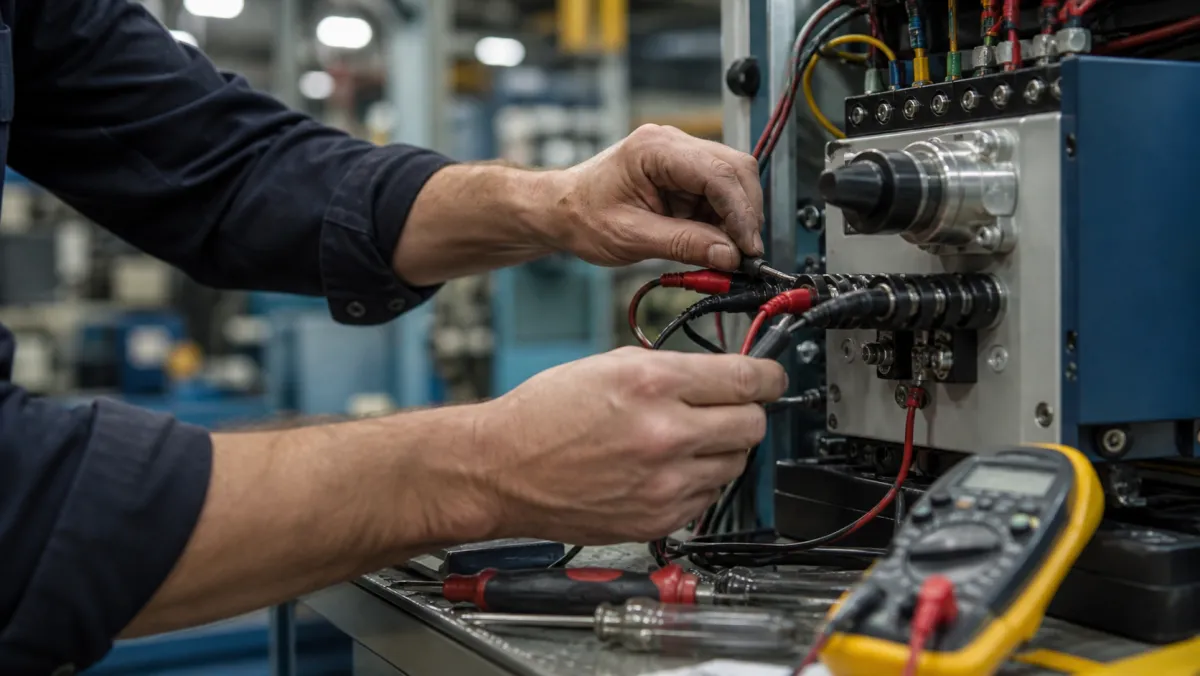
Degree or Trade? The 4-Year Math
Using the figures above: an industrial electrician earning $58,000 for four years makes up to $232,000 while an engineering student is in school (less in practice, since apprentices start below full pay). From year five, an engineer on $81,000 to $92,000 out-earns the electrician by $23,000 to $34,000 a year, so the engineer only catches up on total earnings somewhere between year 11 and year 14, and later still once tuition and student loans are counted.
That is why the trade path wins for anyone who needs income now or would borrow heavily for a degree, and the engineering path wins for someone with 30 or more working years ahead and access to affordable tuition. If what you want is decent pay with less pressure than a plant floor, see our list of low stress jobs that pay well without a degree.
How to Get Hired and Paid More
Start by picking a subsector, not just a job title. Medical device manufacturing pays better on average than novelty or toy manufacturing because of regulatory complexity and higher-margin products.
Next, match your entry point to your timeline. If you need income within six months, target a certificate program in quality inspection, calibration, or machining. If you can invest four years, an industrial or mechanical engineering degree unlocks the $74,000-plus tier.
Once you land an interview, lean on specifics. Hiring managers in this space respond better to concrete numbers, like defect rates reduced or units per shift, than to generic soft-skill claims.
Before you accept, check the number. Pay for the same title swings by state and subsector, and our salary comparison tool shows whether an offer is competitive for your location. If it comes in low and the employer will not move, here is how to decline a job offer due to salary without closing the door.
The highest-paying seat in miscellaneous manufacturing rarely goes to the most experienced hand on the floor. It goes to whoever can prove their work in numbers.
Miscellaneous Manufacturing Jobs: FAQ
What is the highest paying job in miscellaneous manufacturing?
Among individual contributor roles, manufacturing systems engineer tops the list at about $92,000 a year. General and operations managers who run a plant earn more, but usually after five or more years on the floor or in engineering.
Which miscellaneous manufacturing jobs pay well without a degree?
Operations analyst (about $67,000, associate degree or certificate), industrial electrician (about $58,000, apprenticeship) and calibration technician or maintenance mechanic (about $48,000) are the best paid entry routes without a bachelor's degree.
How much does a machinist make per hour in this sector?
At about $45,000 a year, a machinist earns roughly $21.63 an hour on a standard 2,080-hour year, before overtime.
Which subsector pays the most?
Medical device manufacturing generally pays more than toys, novelties or signage, because regulated products need more quality, process and documentation roles.
Is miscellaneous manufacturing a good career path?
Yes, if you pick the subsector deliberately. The same job title can pay very differently at a medical device plant and a toy factory, so compare offers by subsector and location, not by title alone.