Business Concepts
Capital Goods Examples (2026): A Clear Operator Guide
Capital goods examples explained simply: machines, buildings, and trucks a business uses to produce value, plus how working capital and COGS fit together.
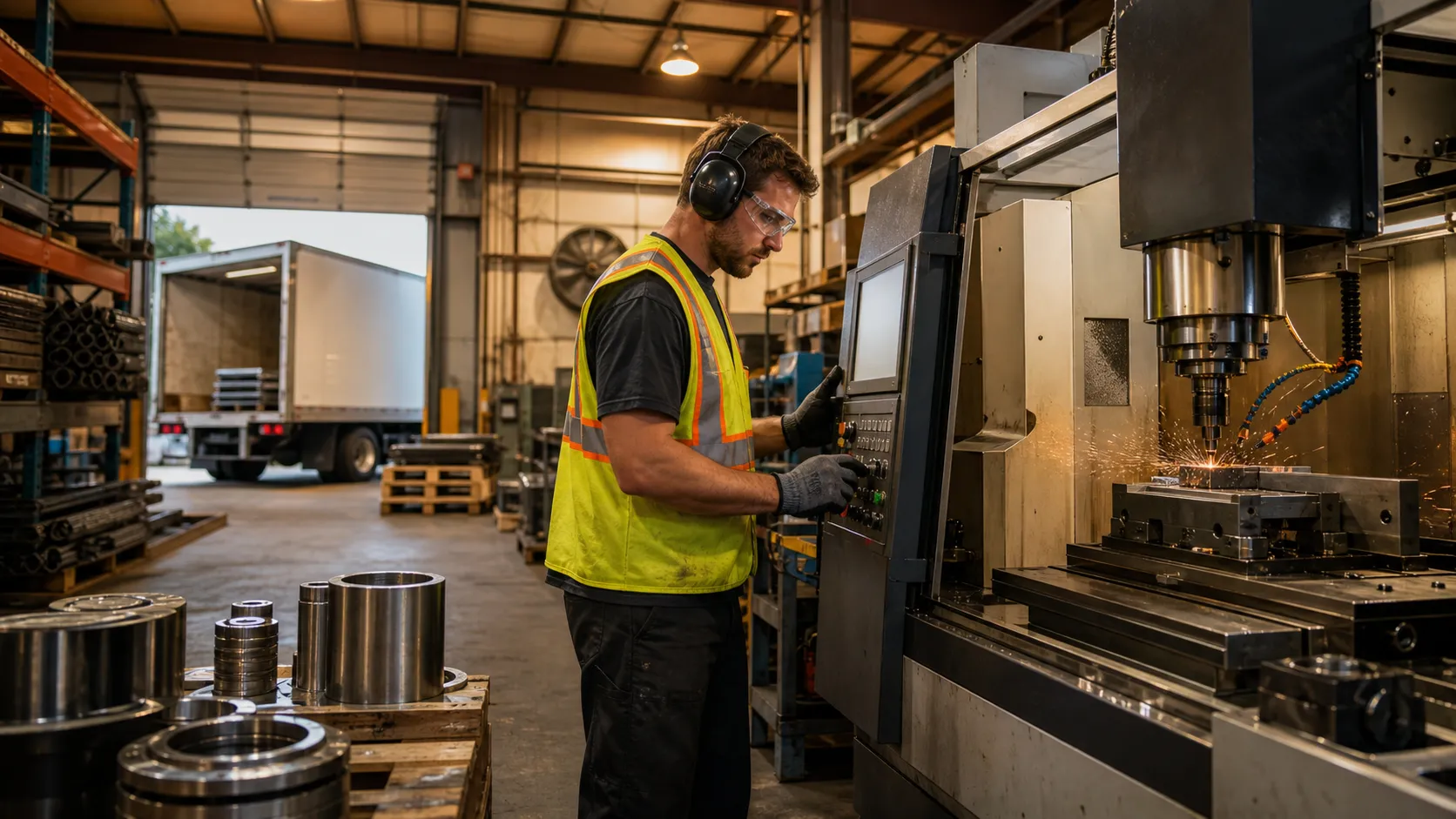
If you have ever wondered why a bakery counts its oven differently from its flour, you already sense the idea behind capital goods examples. Some things a business buys are used up fast. Others stick around and produce value for years.
Quick answer
Capital goods are physical assets a company uses to produce other goods and services, not to sell directly. Common capital goods examples include machinery, factory buildings, delivery trucks, industrial ovens, servers, and heavy tools. They are durable, long-lived, and central to production.
Key takeaways
- Capital goods are durable assets used to make other products, such as machines, vehicles, and equipment.
- They differ from consumer goods, which people buy for direct use.
- Working capital keeps daily operations running; capital goods power long-term production.
- Cost of goods sold measures the direct cost of what you actually sell.
- Reading these three concepts together shows how healthy a business really is.
What Are Capital Goods? Clear Examples
Capital goods are tangible items a business uses to produce goods or deliver services. You do not sell them to customers. You keep them, and they help you make money over time.
This is one of the core ideas in our business concepts hub, and it sits alongside terms every operator should know. A pizza shop sells pizza, not its oven. That oven is a capital good.
The same logic applies across every industry, from a solo freelancer to a global factory. For a deeper reference, see the definition of a capital good in economics.
Here are concrete capital goods examples grouped by type, so the concept sticks.
| Category | Capital goods examples | Who uses them |
|---|---|---|
| Machinery | CNC machines, printing presses, industrial ovens | Manufacturers, bakeries, print shops |
| Buildings | Factories, warehouses, workshops | Producers, logistics firms |
| Vehicles | Delivery trucks, forklifts, tractors | Retailers, farms, couriers |
| Technology | Servers, laptops, robotics | Software firms, agencies |
| Tools | Drills, welders, lab equipment | Trades, labs, clinics |

Notice the pattern. Each item is durable, reusable, and tied to output. A laptop a marketing agency uses to build campaigns is a capital good. A pen it hands to a client at an event is not.
If it helps you produce and you keep it, it is a capital good. If you sell it or use it up, it is not.
Capital Goods vs Consumer Goods
The line between capital goods and consumer goods is about purpose, not the object itself. The same item can be either, depending on who buys it and why.
A refrigerator in your kitchen is a consumer good. The same refrigerator model in a restaurant kitchen becomes a capital good, because it supports production and service.
This distinction matters for accounting, taxes, and how you plan spending. Capital goods usually get recorded as assets and depreciate over years. Consumer-style purchases often hit the books as immediate expenses.
Working Capital Definition and Meaning
Capital goods handle the long game. Working capital handles the daily grind. Both must stay healthy for a business to survive.
The working capital definition is simple: current assets minus current liabilities. The working capital meaning in plain terms is the cash and near-cash you have to cover short-term bills, payroll, and inventory. The concept of working capital is central to short-term financial health.
Positive working capital means you can meet obligations comfortably. Negative working capital signals strain, even if the business looks busy.
Types of Working Capital
When you study the types of working capital, two views help. By time, you have permanent working capital (always needed) and temporary working capital (rises in busy seasons). By concept, you have gross and net working capital.
- Permanent: the minimum cushion the business always needs.
- Temporary: extra funds for peaks, like holiday inventory.
- Gross: total current assets.
- Net: current assets minus current liabilities.
Working Capital Strategies and Best Practices
Strong working capital strategies free up cash without new debt. Good working capital best practices focus on speed: collect faster, pay smart, and hold less idle stock.
Practical working capital techniques that operators actually use include tighter invoicing terms, negotiating supplier payment windows, and cutting slow-moving inventory. These moves lift liquidity fast.
The benefits of working capital management are real: fewer cash crunches, better supplier relationships, and room to invest when opportunity appears. Poor management is a top reason profitable-looking firms still fail, a pattern we explore in the risks side of benefits and risks of innovation.

Cost of Goods Sold Definition and Meaning
Now connect the dots to profit. The cost of goods sold definition is the direct cost of producing the goods a company actually sells in a period. The cost of goods sold meaning is essentially: what did it truly cost to make what you sold?
COGS includes raw materials and direct labor. It excludes indirect costs like marketing or the CEO salary. Subtract COGS from revenue and you get gross profit. For the accounting standard view, see cost of goods sold.
Types of Cost of Goods Sold
The types of cost of goods sold vary by business model. A manufacturer counts materials, factory labor, and factory overhead. A retailer counts the wholesale price of items resold. A service firm may track direct labor and materials for each job.
Watch the trap of overproduction of goods. Making far more than you sell inflates inventory, ties up working capital, and can hide weak demand behind healthy-looking output. Lean production keeps COGS honest and cash free.
How the Three Concepts Work Together
Picture a small furniture maker. The saws and workshop are capital goods. The cash to buy wood and pay carpenters this month is working capital. The wood and labor inside each chair sold become cost of goods sold.
Read together, they tell a story. Capital goods show productive capacity. Working capital shows daily resilience. COGS shows how efficiently you turn inputs into sold products. Miss one, and the picture misleads.
Operators who track all three make sharper calls. They avoid buying machines they cannot staff, and they notice when middlemen re-enter a supply chain, a shift covered in reintermediation.
They also spot the difference between real growth and avoidable overproduction. Reading the numbers keeps output tied to actual demand.
Sharp operators read culture cues too, like the signs you are being set up to fail at work.
Related guides
Capital Goods Examples: FAQ
What are balance sheet examples for these items?
On balance sheet examples, capital goods appear as fixed assets like property, plant, and equipment. Working capital shows up through current assets (cash, receivables, inventory) minus current liabilities. The balance sheet snapshots what you own and owe on a given date.
What is working capital?
Working capital is current assets minus current liabilities. It measures the short-term cash a business has to fund daily operations, pay bills, and cover payroll without borrowing.
What do profit and loss statement examples show?
Profit and loss statement examples show revenue at the top, then cost of goods sold, then gross profit, followed by operating expenses and net profit. It reveals profitability over a period, unlike the balance sheet's single-day snapshot.
What is cost of goods sold?
Cost of goods sold is the direct cost of producing the products a company sold during a period, mainly materials and direct labor. Revenue minus COGS equals gross profit.
What are economies of scale examples?
Economies of scale examples include a factory lowering per-unit costs as volume rises, or a retailer getting cheaper wholesale prices for bulk orders. Bigger output spreads fixed capital goods costs across more units.
What are common working capital interview questions?
Common working capital interview questions ask you to define working capital, explain the difference between gross and net, and describe how to improve it. Be ready to link it to cash flow and the operating cycle.