Marketing
What Is Selective Distribution? Definition + Examples (2026)
Selective distribution means brands appoint a limited number of distributor and retailer partners. See how it compares to other distribution strategies.

If you have ever wondered what is selective distribution, picture how Apple or Rolex sells. You will not find their products in every shop on the high street, and that is deliberate. The brand carefully selects which stores earn the right to stock it, and cuts off everyone else.
I have helped small product companies choose between the three classic distribution strategies in marketing, and the decision shapes everything downstream: pricing, support load, even ad budgets. This guide covers the definition, the trade-offs, and a practical way to decide.
Quick answer
Selective distribution is a distribution strategy where a brand appoints a vetted set of retailers or distributors that meet specific criteria to sell its products in a market. It sits between intensive distribution (stock as many outlets as possible) and an exclusive arrangement (one partner with exclusive rights per territory).
Key takeaways
- Selective distribution means fewer, vetted distribution partners, not maximum shelf coverage.
- It is the middle path among the three types of distribution: intensive, selective, and exclusive.
- The core payoff is brand control: you decide how your products are presented and sold.
- The main costs are slower market penetration and policing unauthorized sellers.
- It fits high-end products that need demonstration, service, or a sense of exclusivity.
The Definition of Selective Distribution
The definition of selective distribution is straightforward: a producer authorizes a limited number of stores and distributors to sell its products, and only those that meet its standards. Every other reseller is unauthorized and gets cut off from official supply.
That selective distribution definition carries legal weight too. Under EU competition law, selective distribution agreements are lawful when the criteria are qualitative and applied consistently, because regulators accept that protecting service quality can serve competition and consumer welfare.
Some quick vocabulary helps here. The standard distribution channels definition covers every path a product takes to the buyer: wholesalers, retailers, marketplaces, and direct sales channels. In practice, distribution channels meaning comes down to who touches the product between factory and customer.
A typical distribution agreement in a selective distribution system spells out the bar: trained staff, an approved showroom or storefront, minimum after-sales service, and a promise not to resell to unauthorized dealers. The distribution arrangement protects both sides.
Selective Distribution vs Exclusive Distribution vs Intensive Distribution
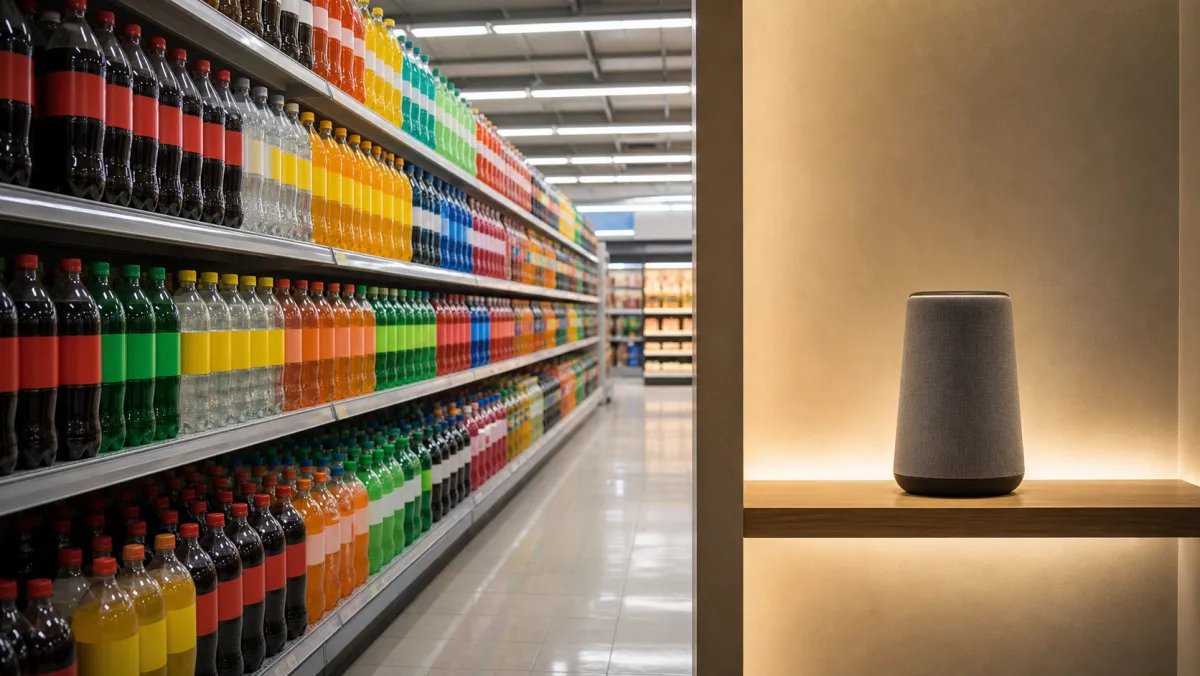
Brands distribute their products through one of three classic models, and the real difference is the number of intermediaries allowed at each level. Putting selective distribution vs exclusive distribution and the intensive model side by side makes the trade-offs obvious.
| Strategy | Outlets per market | Typical products | Control vs reach |
|---|---|---|---|
| Intensive distribution | As many as possible | Soft drinks, snacks, batteries | Maximum reach, minimal control |
| Selective distribution | A vetted few per area | Electronics, cosmetics, appliances | Balanced reach and control |
| Exclusive distribution | One partner per territory | Supercars, haute horlogerie | Maximum control, minimal reach |
The intensive route chases ubiquity. It works for impulse goods with thin margins, where availability is the whole game and nobody expects advice at the point of sale.
Exclusive distribution grants one partner exclusive rights inside a specific geographic territory. Makers of luxury goods use it to maximise prestige, accepting a tiny market presence in exchange for near-total control.
The selective model sits in the middle. You keep meaningful reach across your customer base without surrendering the level of control that protects margins and brand image.
How a Selective Distribution Strategy Works in Practice
Implementing a selective distribution strategy is a repeatable sequence: define the criteria, appoint the partners, police the network. Companies that use selective distribution well treat it as an ongoing filter, not a one-time decision.
- Set qualification criteria. Distributors are allowed to sell only if they offer trained staff, display standards aligned with the brand values, and real after-sales support.
- Carefully choose partners by region. Map demand first, cap the number of distributors per area, and pick the strongest dealer in each catchment instead of signing everyone who asks.
- Formalize the relationship. The contract should cover territory, online listings, minimum service levels, and what happens on breach.
- Audit and enforce. Mystery-shop your own network and monitor marketplaces for unauthorized sellers and grey imports.
The point of all this is control over how their products are displayed, demonstrated, and discounted. Brands that sell their products through vetted partners can maintain greater control over the buying experience, and that is where premium pricing strategies survive or die.
Distribution is a pricing decision in disguise: every shelf your product sits on tells the customer what it is worth.
Done right, the result is an effective distribution network that delivers a consistent and high-quality experience at every door. Done badly, it presents certain challenges: channel conflict, grey-market leakage, and dealers who resent the rules. Selective distribution strategies only work when enforcement is real.
Selective Distribution Examples That Show Why It Works

Apple is the canonical case. iPhones sell through Apple Stores plus a vetted set of carriers and premium resellers, never the bargain bin, and the selective approach lets Apple ensure a consistent retail experience everywhere its logo appears.
Luxury brands run the same playbook in cosmetics and fragrance. Scarcity is part of the product: a perfume stocked everywhere stops feeling special, so limiting the number of doors preserves the sense of exclusivity buyers are paying for.
High-end electronics and appliance makers follow suit, restricting flagship lines to authorized retailers that can actually demo them. For these companies, maintaining brand image beats squeezing out one extra point of market share.
Choosing the Right Distribution Model for Your Product
Choosing the right distribution model comes down to four honest questions about your product and your team. Answer them before any dealer meeting, because the wrong model is expensive to unwind.
- Does the product need demonstration, fitting, or installation? If yes, a selective or exclusive arrangement beats mass retail.
- Can you support a wide distribution network today, or would service quality collapse outside your home market?
- Do your margins fund partner training and co-op marketing? Premium margins justify selectivity; thin margins need volume.
- Will discount channels trigger price wars that wreck your price position?
Remember there are different types of distribution channels beyond physical stores: e-commerce, marketplaces, and direct-to-consumer. A modern setup usually mixes them, applying the same selective rules to each channel, a point the place P of the marketing mix often glosses over.
The key benefits of going selective are stronger dealer relationships, a superior customer experience, real control over their brand story, and pricing discipline. The cost is slower market penetration and the constant policing of online listings.
My honest take: most small brands pick distribution by accident, saying yes to whoever asks first. The teams that navigate the complexities early, ranking their marketing strategies by control rather than raw reach, rarely regret it, and that discipline pairs naturally with the societal marketing concept of building for the long term.
Selective Distribution FAQ
What is an example of selective distribution?
Apple's iPhone retail program is the best-known example: the phones are sold through Apple Stores, vetted carriers, and authorized premium resellers, while unauthorized discounters are refused supply. Fragrance houses and premium appliance brands run similar programs.
What is a selective distribution system?
A selective distribution system is the formal network of authorized resellers a producer builds: the qualification criteria, the contracts, and the enforcement that keeps unapproved sellers out. It is the operational machinery behind the strategy.
What is an example of distribution selection?
Distribution selection is the screening step itself. A cosmetics brand choosing 40 department-store counters out of 400 applicants, based on location, staff training, and presentation, is performing distribution selection.
Why selective distribution?
Brands implement this strategy because it balances reach and control. You appoint enough dealers to cover demand, but few enough that you can enforce service standards, protect margins, and keep the brand experience consistent.
Where does selective distribution fit in marketing?
Marketing is the work of creating, communicating, and delivering value to customers, and the marketing mix splits that work into product, price, place, and promotion. Distribution is the place decision, a SWOT analysis helps you judge which channel strengths to exploit, and digital marketing applies the same selective logic to online channels.