Marketing
Tips Reach College Students With Marketing (2026)
Real tips to reach college students with marketing that works: native short-form content, peer-led campaigns, and campus timing. See what actually converts.
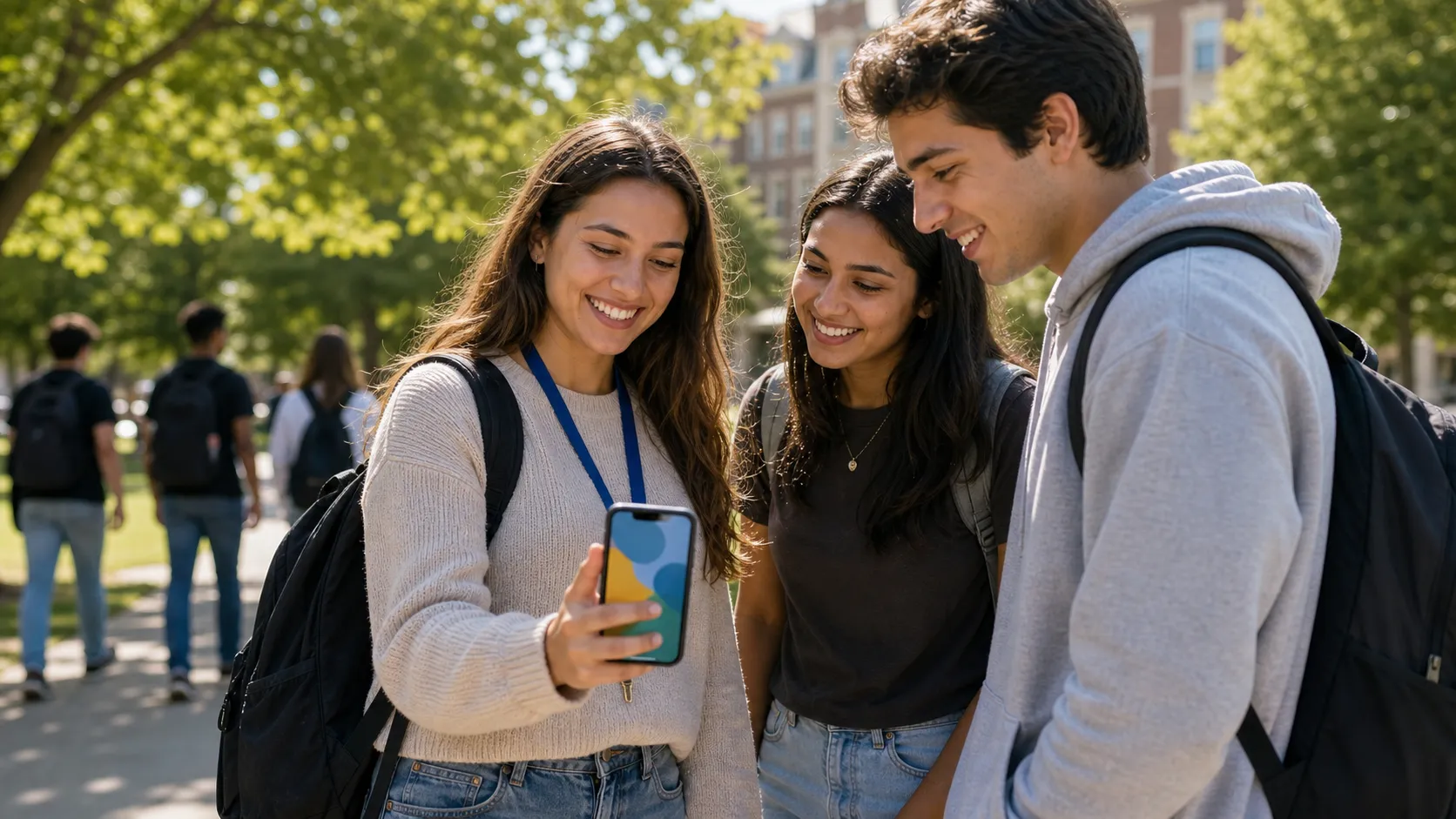
Most brands still market to college students like it's 2010: a poster on a cork board, a booth at orientation, a discount code nobody uses. These tips reach college students with marketing that respects their time and intelligence, instead of shouting into the void of another sponsored post they'll scroll past in half a second.
Quick answer
To reach college students with marketing that works, meet them on the platforms they already trust (TikTok, Instagram, campus email lists), lead with value or humor instead of a hard sell, and let peer voices like student ambassadors carry the message instead of a brand account.
Key takeaways
- College students respond to peer-driven, short-form content far more than traditional ads.
- The marketing mix (product, price, place, promotion) still applies, but "place" now means the right app, not the right quad.
- Content marketing strategies that teach or entertain outperform straight promotion on campus.
- Campus ambassador programs work because they borrow trust the brand hasn't earned yet.
- Overusing student data or discount spam is the fastest way to get ignored or blocked.
What Is Marketing? A Definition Built for Campus Campaigns
Before tactics, it helps to define marketing in plain terms. The core concept of marketing is simple: creating, communicating, and delivering something of value to the people who need it, then capturing some of that value back as revenue or loyalty.
Marketing meaning shifts by context, but the marketing definition that matters for campus work is this: it is a conversation, not a broadcast. Students can smell a broadcast from a mile away, and they mute it instantly.
The Wikipedia entry on marketing traces the field back to simple exchange theory: two parties trade value. On campus, that value is rarely just a product. It is status, convenience, or belonging.

Why College Students Are a Different Audience Than Everyone Else
Roughly 18 million people are enrolled in U.S. degree-granting institutions each year, and most of them are online for five or more hours a day, according to Pew Research on young adult media habits. That volume of attention is real, but it is also fragmented across a dozen apps.
Students also move in tight social graphs. A message from a friend, classmate, or campus organization carries far more weight than the same message from a brand handle, no matter how well the brand handle is run.
Money is tighter too. Most students are working with a fixed loan disbursement or a part-time paycheck, so price sensitivity runs high and a vague "premium" pitch falls flat. A visible student discount, a free trial tied to a .edu email, or a clear "what this actually costs per month" breakdown earns more trust than polish does.
Digital Marketing Strategies That Actually Reach Students
The digital marketing strategies that work on campus share one trait: they look native to the platform, not like an ad wearing a costume. Short vertical video, meme formats, and creator partnerships consistently outperform static banner ads with this age group.
Email still works, but only through channels students already check, like university newsletters, club listservs, or professor-shared resources. A cold email from an unknown brand domain gets deleted before it's read.
Timing matters as much as format. Campaigns that launch during syllabus week, before finals, or around housing deadlines ride an existing wave of attention instead of competing against it. A dorm move-in promo in August outperforms the same offer dropped in February, simply because the need is already on students' minds.
Content Marketing Strategies for Campus Audiences
Content marketing strategies aimed at students should teach something useful: how to budget on a student loan, how to build a resume, how to survive finals week. Utility earns attention that a discount code never will.
Partnering with student creators to make that content, instead of publishing it from a corporate account, adds the credibility a brand cannot manufacture on its own.
The Marketing Mix on Campus
The classic marketing mix still applies here. The marketing mix definition covers product, price, place, and promotion, and each one needs a campus-specific answer.
Marketing mix meaning on campus looks like this: product is often a trial-sized or student-priced version, price includes a visible student discount, place is a mobile app rather than a physical store, and promotion runs through peers rather than press.

Marketing Management Lessons From Campus Ambassador Programs
Good marketing management on campus usually means recruiting a small group of respected students, giving them real creative freedom, and paying them fairly instead of treating the role as unpaid exposure.
Some of the strongest examples pair with athletics. This is sometimes called good sportsman marketing: campaigns built around fair play, team pride, and campus spirit rather than pressure to buy, which lands better with students than a hard sell ever could.
Brands that lean into shared values, not just discounts, are practicing what researchers call the societal marketing concept, balancing profit with what actually benefits the student community.
The Marketing of Marketing: How Schools Sell the Major
There is a second layer worth understanding: the marketing of marketing itself. Business schools actively market the marketing major to incoming freshmen, using the same playbook brands use on those same students.
Career fairs, alumni success stories, and short video testimonials from current majors are the marketing of marketing in action, and they explain why marketing programs stay some of the most enrolled majors on campus year after year.
Students don't reject marketing. They reject marketing that talks at them instead of with them.
How to Know If Campus Marketing Is Actually Working
Vanity metrics like impressions look good in a slide deck but say little about whether students acted. Track redemption rates on unique promo codes tied to each ambassador or channel, not just how many people saw the post.
Referral tracking matters more on campus than almost anywhere else, since word of mouth drives so much of the outcome. A simple unique link or code per ambassador shows exactly which relationships are converting and which are just noise.
Common Mistakes When Marketing to College Students
The biggest mistake is treating every student the same. A first-year and a graduating senior have different budgets, different channels, and different concerns, which is a basic selective distribution problem: put the message in front of the right segment, not everyone at once.
The second mistake is overselling. Constant discount codes train students to wait for the next one instead of buying at full value, which erodes margin over time.
The third mistake is ignoring privacy expectations. Students are wary of brands that collect data quietly then retarget them everywhere. Being upfront about what is tracked, and why, keeps the relationship from souring before it starts.
Tips Reach College Students With Marketing: FAQ
What is marketing?
Marketing is the process of creating, communicating, and delivering value to a target audience in exchange for revenue, attention, or loyalty.
What is marketing about?
Marketing is about understanding what an audience needs and shaping a product, message, and channel strategy that meets that need better than competitors do.
What is digital marketing?
Digital marketing is marketing delivered through online channels such as social media, search, email, and video, rather than print or broadcast media.
What is marketing mix?
The marketing mix is the set of controllable levers, product, price, place, and promotion, that a business adjusts to reach and convert a target audience.
What is the concept of marketing?
The concept of marketing holds that a business succeeds by identifying customer needs first, then building products and messages around those needs.