Software
Inventory Management Systems Small Business (2026)
Compare 6 inventory management systems for small business with real 2026 pricing and features, so you pick the right fit for your order volume.

Picking the right inventory management systems small business owners can actually afford and use daily is harder than it should be. Most tools bury basic stock tracking behind expensive tiers or bolt on features you'll never touch. This guide breaks down six real options, current 2026 pricing, and how to match a system to your order volume.
Quick answer: For most small businesses, Zoho Inventory offers the best balance of price and features, starting free and scaling to under $40/month. Businesses selling on multiple channels with 500+ monthly orders should look at Cin7 Core instead, and manufacturers need Katana Cloud Inventory.
Key takeaways
- Zoho Inventory is the cheapest full-featured option, with a free tier and paid plans starting around $39/month.
- QuickBooks Online only unlocks inventory tracking at the Plus tier ($115/month), so check before you buy a lower plan expecting stock features.
- Cin7 Core and Katana Cloud Inventory both start above $300/month and target multichannel or manufacturing operations, not solo sellers.
- Square for Retail's Plus plan dropped to $49/month per location, making it a realistic option for single-location retailers already using Square.
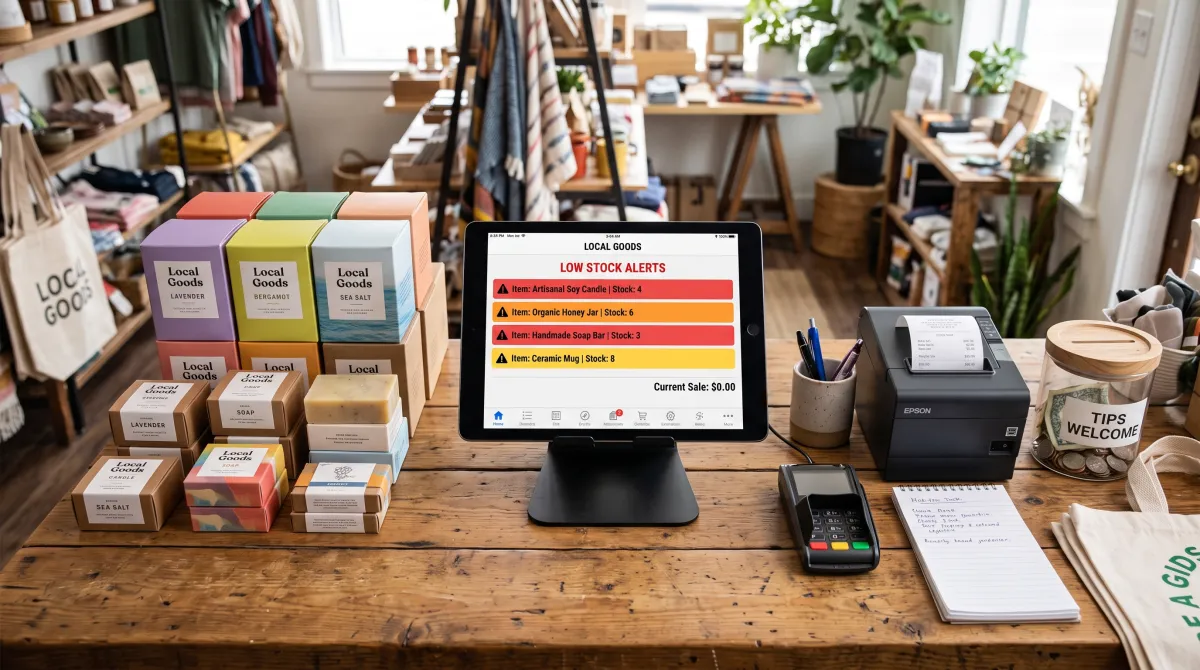
- Barcode scanning, low-stock alerts, and accounting sync are the three features that separate a real inventory system from a spreadsheet.
What Is the Best Inventory Management Systems Small Business?
There's no single best inventory management systems small business pick because the right tool depends on order volume, channel count, and whether you need manufacturing features. A five-person boutique and a 20-employee multichannel seller need different software entirely.
Choosing the right inventory management software small business owners can rely on daily matters more than chasing the flashiest dashboard. Most small business inventory management software falls into two camps: standalone apps built for stock tracking, and modules bolted onto broader accounting platforms.
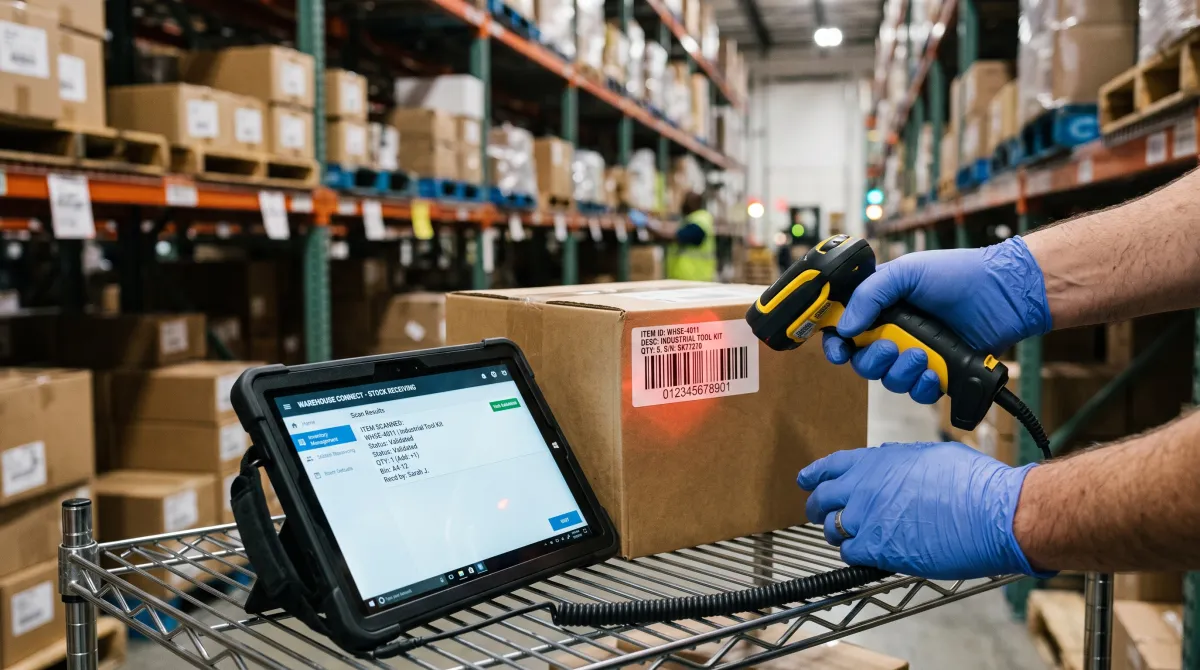
At its core, inventory management software tracks stock levels, locations, and movement in real time so you stop guessing what's actually on the shelf. Good systems sync with your point of sale and accounting tools automatically.
The category sits inside the broader small business software stack, alongside accounting, scheduling, and CRM tools. Most owners start with a spreadsheet, then move to dedicated software once stockouts or overselling start costing real money.
Pricing ranges from free to over $800/month depending on order volume and warehouse count. Below, we compare six systems that cover retail, ecommerce, wholesale, and light manufacturing use cases so you can match features to your actual workflow.
Best Inventory Management Systems Small Business Compared
We tested pricing pages, feature lists, and user reports current as of 2026 for six tools that represent the range of inventory software small business owners realistically shop for, from free plans to enterprise-grade manufacturing software. Here's how they stack up on cost and standout features.
| Tool | Best for | Starting price | Standout feature |
|---|---|---|---|
| Zoho Inventory | Budget-conscious small sellers | Free, paid from $39/mo | Multichannel order sync on the free tier |
| inFlow Inventory | Small warehouses and B2B sellers | From $99/mo | Built-in barcode scanning and B2B portal |
| Cin7 Core | Multichannel sellers, 500+ orders/mo | From $349/mo | Deep integrations across sales channels |
| QuickBooks Online Plus | Teams already using QuickBooks | $115/mo | Inventory tracking tied directly to accounting |
| Square for Retail | Single-location retail stores | Free, Plus from $49/mo | Native POS and inventory in one system |
| Katana Cloud Inventory | Small manufacturers | Free, Core from $299/mo | Real-time production and material tracking |
The moment we synced inventory to our POS, we stopped selling things we didn't have. That alone paid for the software in the first month.
Best for budget-conscious sellers
Zoho Inventory Free, paid from $39/mo
Zoho Inventory covers multichannel order management, barcode scanning, and basic manufacturing on its free tier for up to 20 orders/month, then scales into low-cost paid plans as volume grows.
Pros
- Free tier actually usable for early-stage sellers
- Syncs with Zoho's broader CRM and accounting suite
Cons
- Advanced automation locked behind higher tiers
- Interface feels dated compared to newer tools
Best for small warehouses
inFlow Inventory From $99/mo
inFlow's Stockroom plan starts at $99/month and includes barcode scanning, a B2B customer portal, and multi-location tracking, making it a solid fit for sellers who ship wholesale orders.
Pros
- Strong barcode and B2B ordering tools out of the box
- Flat per-tier pricing instead of per-user fees
Cons
- Pricier entry point than Zoho or Square
- Manufacturing tier adds significant cost
Best for multichannel sellers
Cin7 Core From $349/mo
Cin7 Core is built for brands selling across 500 to 5,000 orders per month on multiple channels, with deep integrations into major marketplaces and 3PL warehouses.
Pros
- Handles high order volume without slowing down
- Wide library of native channel integrations
Cons
- Overkill and overpriced for low-volume sellers
- Setup takes real onboarding time
Best for existing QuickBooks users
QuickBooks Online Plus $115/mo
QuickBooks Online only unlocks inventory tracking at the Plus tier, but if you already run your books there, it keeps stock and accounting in a single system instead of two.
Pros
- No separate accounting sync needed
- Familiar interface if you already use QuickBooks
Cons
- Inventory features are basic compared to dedicated tools
- Locked behind a pricier plan tier
Best for single-location retail
Square for Retail Free, Plus from $49/mo
Square for Retail bundles point of sale and inventory in one system, with the Plus plan at $49/month per location unlocking purchase orders, vendor management, and cost of goods reports.
Pros
- POS and inventory live in the same dashboard
- Free tier works for very small operations
Cons
- Per-location pricing adds up for multi-store owners
- Weaker for pure wholesale or B2B sellers
Best for small manufacturers
Katana Cloud Inventory Free, Core from $299/mo
Katana tracks raw materials, work in progress, and finished goods in real time, with a free tier for up to 30 SKUs before you need the $299/month Core plan.
Pros
- Purpose-built for production and assembly tracking
- Free tier is genuinely usable for very small shops
Cons
- Not designed for pure retail or resale businesses
- Core plan jump is steep once you outgrow free
How to Choose Inventory Management Systems Small Business
Start with order volume, not features. A tool built for 5,000 monthly orders will feel bloated and expensive if you're only processing 50, while a lightweight tool will buckle once you scale past a few hundred.
If you want small business inventory software that syncs directly with your point of sale, Square for Retail and Zoho Inventory are the strongest fits without extra integration work.
Also check how the tool handles daily workflow, not just stock counts. Some owners pair their inventory system with a separate task management app to assign restocking and receiving jobs to staff.
Before committing to a new platform, audit your current small business software inventory to avoid paying for duplicate tools across your stack.
If you already run accounting software, confirm the inventory tool actually syncs with it instead of requiring manual entry twice. Our QuickBooks vs Xero comparison breaks down which accounting platforms play nicest with inventory add-ons.
Don't skip security either. Inventory control software small business teams open every day often holds supplier pricing, customer orders, and payment details, so it deserves the same scrutiny as your best security software for small business picks.

If you're buying supplies or packaging materials in bulk, it's worth checking costco business center locations near you before committing to a vendor contract. These warehouses stock commercial-quantity goods that regular Costco stores don't carry.
There are now around 28 costco business centers locations across the US and Canada, including the first Canadian site in Winnipeg. A costco membership business account can pay for itself fast if you regularly restock packaging or bulk inventory.
Buying inventory in bulk also means bigger upfront costs. If your business is still building credit, a secured business credit card can bridge that gap for your first few bulk orders.
Paying that card off on time also improves your business credit score, which unlocks better terms on inventory financing and vendor credit lines later.
Switching inventory systems later is disruptive, so weigh order volume, integrations, and growth plans now rather than picking the cheapest option and outgrowing it within a year.
Inventory Management Systems Small Business: FAQ
What's the best inventory management system for a small business?
Zoho Inventory is the best starting point for most small businesses because it has a genuinely usable free tier and low-cost paid plans. Businesses with 500 or more monthly orders across multiple channels should consider Cin7 Core instead.
How much does inventory management software cost?
Pricing ranges from free to over $800/month. Small sellers typically land between $39 and $115/month, while multichannel or manufacturing operations often pay $300/month or more once they need advanced integrations.
Do I need barcode scanning?
If you handle more than a few dozen SKUs, yes. Barcode scanning cuts manual counting errors dramatically and speeds up receiving, picking, and cycle counts compared to entering data by hand.
Does inventory software connect to accounting tools?
Most modern tools sync with QuickBooks or Xero automatically. QuickBooks Online also has native inventory tracking at its Plus tier, which removes the need for a separate integration entirely.
What are the best business credit cards for buying inventory?
Among the top rated business credit cards for inventory purchases in 2026 are the Chase Ink Business Preferred and Amex Business Platinum, both of which offer strong rewards on wholesale and shipping spend. The best business credit cards for your situation depend on whether you value cash back or travel points.
Which credit card should a new business use for its first bulk order?
Many owners search for the best credit cards business owners can qualify for with no credit history, and the answer is almost always a secured business credit card since it requires a cash deposit instead of a credit-based approval. It still builds your score while covering the purchase.
Is Cin7 Core worth the higher price?
Cin7 Core is worth it once you're processing 500 or more orders per month across multiple sales channels. Below that volume, its $349/month starting price is hard to justify against cheaper tools like Zoho Inventory or inFlow.
There's no universally best inventory management systems small business option, only the right fit for your order volume and sales channels. Start with the free tiers, test real workflows, and upgrade only once you've outgrown what's free.