Software
Best Ecommerce Software (2026): 6 Platforms Tested
Compare the best ecommerce software for 2026, from platforms to HR, accounting and inventory tools. See real pricing and pick what fits your store.

Finding the best ecommerce software is the decision that shapes your margins, your workload and your sanity for the next few years. Pick wrong and you are migrating a cart full of SKUs during launch week. We have run stores on most of the tools below, and our software hub maps where each one fits in a wider stack.
Quick answer
For most small stores, Shopify is still the safest ecommerce software pick in 2026. WooCommerce wins if you already run WordPress, BigCommerce suits B2B and high volume, and Wix or Squarespace get you live fastest. Layer in HR, accounting, project and inventory tools as you actually need them, not before.
Key takeaways
- Shopify Basic starts at $39/month and remains the most reliable all-round storefront.
- WooCommerce is free to install, but hosting, plugins and dev time push real cost to $1,000 to $3,000 a year.
- BigCommerce added an Open Payment Provider Fee in 2026, so check your gateway before you commit.
- Pair your storefront with the right HR software and gantt chart software before headcount and launches outgrow spreadsheets.
- Inventory management software small business teams actually use matters as much as the storefront itself.
What Is Best Ecommerce Software?
The best ecommerce software is whatever combination of storefront, payments and back-office tools lets you sell without babysitting the plumbing. That starts with a platform for the catalog and checkout, then layers in accounting, HR and inventory as the business grows.
There is no single winner here. A solo seller shipping ten orders a week needs different software than a team running multichannel retail with staff, payroll and a warehouse.
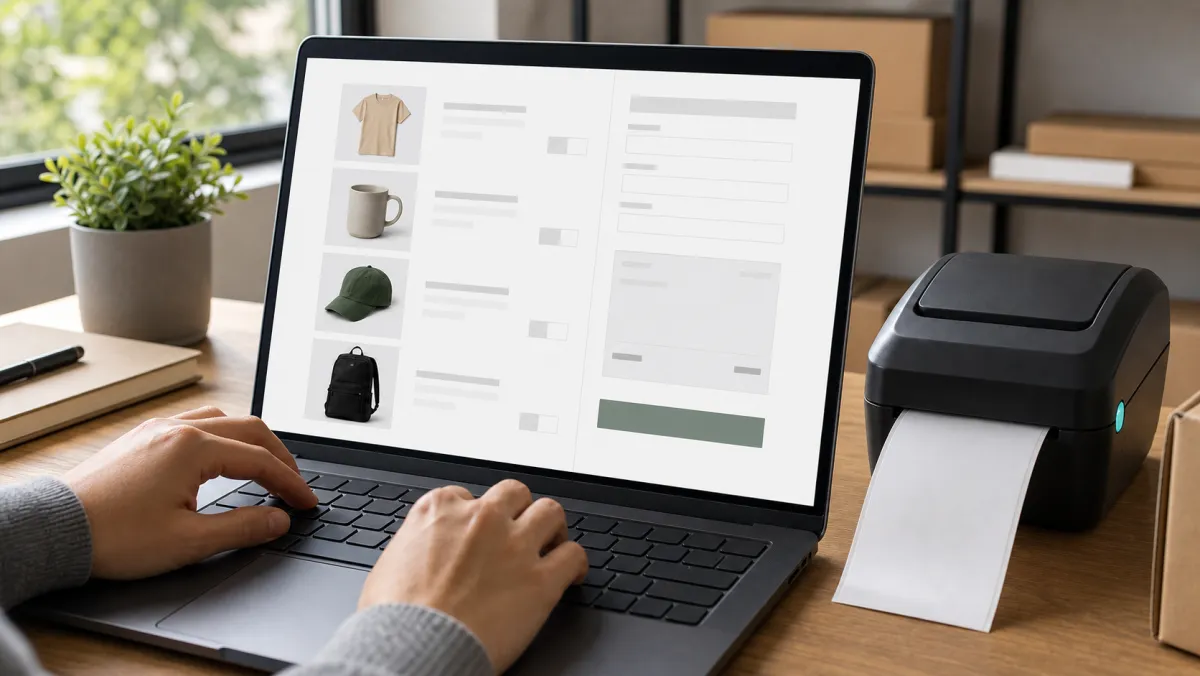
Best Ecommerce Software Explained
Start with the storefront layer, since it decides everything downstream. Hosted platforms like Shopify and BigCommerce handle servers, security and updates for a monthly fee. Self-hosted options like WooCommerce hand you full control and the maintenance bill that comes with it.
Neither model is universally better. Hosted trades control for calm, while self-hosted trades a lower sticker price for hours you or a developer spend keeping it patched and secure.
| Platform | Entry price | Fee note | Best for |
|---|---|---|---|
| Shopify | $39/mo (Basic) | 0% extra with Shopify Payments | Most new and scaling stores |
| WooCommerce | Free plugin | Hosting and plugins run $1,000 to $3,000/yr | WordPress and content brands |
| BigCommerce | $39/mo (Core) | Open Payment Provider Fee on non-embedded gateways | B2B and high-volume sellers |
| Wix | $29/mo (Core, annual) | No platform fee, standard processing only | Fast, low-friction launches |
Best Ecommerce Software Examples
Shopify: the default that keeps winning
Shopify Basic runs $39/month, with Grow, Advanced and Plus scaling up from there. It earns its spot through app ecosystem depth and reliability, so most ecommerce software reviews still put it first for new merchants.
WooCommerce and BigCommerce
WooCommerce stays the leading free option if you already run WordPress and want full ownership of your data and design. BigCommerce fits B2B and high-volume sellers, though its 2026 Open Payment Provider Fee means checking your payment gateway before you sign up.
The best ecommerce software is never just the storefront. It is the storefront plus everything that keeps the business running behind it.

The Software Stack Around Your Store
Inventory software worth running
Inventory management software small business owners can actually run keeps stock counts accurate across every channel, so a sale on Shopify does not oversell the same unit on Amazon. Treat it as small business software inventory teams check every morning, not a once-a-quarter cleanup project.
Zoho Inventory works well as inventory control software small business teams rely on once they sell across multiple channels, with batch tracking, multi-warehouse transfers and serial numbers built in. If you want a lighter lift, small business inventory management software like Sortly trades order automation for dead-simple photo tracking.
Sortly is a simpler small business inventory control software pick, built around photo-rich folders and barcode scanning for teams that mainly need to know what is on the shelf. Either way, small business inventory software should sync to your storefront in real time, not overnight.
Both count as small business inventory tracking software in the broad sense, but they solve different problems. Zoho Inventory ties stock to orders and fulfillment, while inventory software small business teams pick for shelf visibility, like Sortly, tracks physical items and location instead.
For inventory tracking software small business retailers actually stick with, ease of scanning matters more than feature count. The inventory software small business teams outgrow fastest is usually a spreadsheet, not a paid tool.
Free accounting software for the books
Free accounting software keeps your books honest before you can justify a bookkeeper. Wave still covers unlimited invoices and basic bookkeeping for solo sellers, though automatic bank feeds moved behind a $19/month Pro plan in 2026.
Zoho Books offers a genuinely free plan under $50,000 in annual revenue, with invoicing, expense tracking and a client portal included. See our free accounting software breakdown for the fine print.
HR software once you hire
HR software stops being optional the moment you hire your first employee. Gusto is the clearest starting point for payroll-first stores, with plans from $40/month plus $6 per employee that include tax filing and self-service. Our employee onboarding software guide covers what to add once headcount grows.
Gantt chart software for launches
Launching a store, a rebrand or a new product line runs smoother with gantt chart software mapping the timeline. ClickUp's Unlimited plan starts at $7 per user a month and bundles Gantt views into the rest of your workspace, while Monday.com's Standard plan at $12 per seat is the entry point for its timeline view. Our gantt chart software guide compares both against Smartsheet for bigger launches.
How to Apply Best Ecommerce Software
Start with your real order volume and technical appetite, not a feature checklist. Under 50 orders a month, Shopify or Wix gets you live fastest. Above a few hundred orders across multiple channels, budget time for WooCommerce or BigCommerce instead.
Run the fees on your actual numbers before you commit to anything. A platform with a low base price but a per-order fee can cost more at scale than a pricier plan with cleaner rates, so test every contender against a one-page spreadsheet.
Add the supporting stack in order of pain, not all at once. Inventory software solves oversells first, accounting software solves tax season second, and HR or gantt tools come once staff or launches get complex enough to need them.
Related guides
Best Ecommerce Software FAQ
What is the best ecommerce software for a small business?
Shopify Basic at $39/month is the safest pick for most small businesses, balancing ease, reliability and app support. If you already run WordPress, WooCommerce gives more control for less monthly cost.
What is the best ecommerce software overall?
There is no single best ecommerce software for everyone. Shopify leads for reliability, BigCommerce for B2B at volume, and WooCommerce for brands that want full ownership of their data.
What are the best business credit cards for an ecommerce store?
The best business credit cards for ecommerce reward the categories you actually spend in, like advertising, shipping and software subscriptions. Our best business credit cards guide breaks down current picks by spending category.
What is the best business credit card for a new store?
New stores usually do best with a business credit card that carries no annual fee and reports to business credit bureaus, since building credit early makes financing easier later.
What are the best credit cards for a business buying inventory?
Look for a business credit card with a long 0% intro APR and strong rewards on wholesale or shipping purchases, since inventory buys are often the largest recurring expense.
What are the best company credit cards for a team?
The best company credit cards let you issue employee cards with spending limits and see every purchase in one dashboard, which matters once more than one person buys for the store.