Business Concepts
Top 12 Starbucks Competitors (2026): Coffee Rivals Ranked
Top Starbucks competitors include Dunkin', Costa Coffee, and Tim Hortons. See which coffee rivals win on price, speed, and brew, and who's next.

Starbucks still pours more coffee than anyone, but the moat is leaking. The top 12 Starbucks competitors in 2026 are not just other cafés. They are fast-food giants, drive-thru upstarts, and at-home machines quietly stealing the morning cup.
This guide ranks them, then reads each one the way an operator reads a rival: through unit economics, not vibes. Who can survive a price war, and who is one bad quarter from closing stores.
Quick answer
The top 12 Starbucks competitors in 2026 are Dunkin’, McDonald’s McCafé, Dutch Bros, Costa Coffee, Tim Hortons, Luckin Coffee, Peet’s Coffee, Caribou Coffee, Panera Bread, Pret A Manger, Nespresso, and Lavazza. The real threats win on price, speed, or scale, not on a better latte.
Key takeaways
- Scale is the moat: economies of scale let Starbucks and McDonald's buy beans cheaper than any independent.
- Margin decides survival: gross margin, not store count, tells you who can win a price war.
- The new battleground is app plus drive-thru throughput, where the youngest chains are exploding.
- At-home brands like Nespresso and Lavazza compete for the cup you never leave home to buy.
- Read the balance sheet: store buildouts, depreciation, and food waste quietly decide who lasts.
Who Are the Top Competitors of Starbucks in the Coffee Market?
Start with the incumbent. Starbucks is the largest coffeehouse chain in the world: the Seattle-based coffee giant, founded in 1971, runs roughly 40,000 stores worldwide and books about $36 billion in annual revenue.
Its top competitors include value rivals like Dunkin’ Donuts and McDonald’s, premium chains such as Costa Coffee and Peet’s, and packaged coffee names like Folgers and Lavazza that fight for the cup you brew at home.
Some of these similar companies have co-existed with Starbucks for decades. Others, like Dutch Bros and Luckin, are emerging coffee chains built around the app and the drive-thru window.
Every serious competitor to Starbucks attacks one of three battlegrounds: affordability and speed, premium coffee and craft, or at-home convenience. A construction worker grabbing a $2 drip is not the customer a $7 oat-milk-latte buyer is, so no single rival fights everywhere at once, a textbook case of Market Segmentation Theory in action.
To compare them honestly you need a shared language. That is why this piece doubles as a plain-English tour of the financial terms that decide coffee wars, the same ideas covered across our business concepts hub.
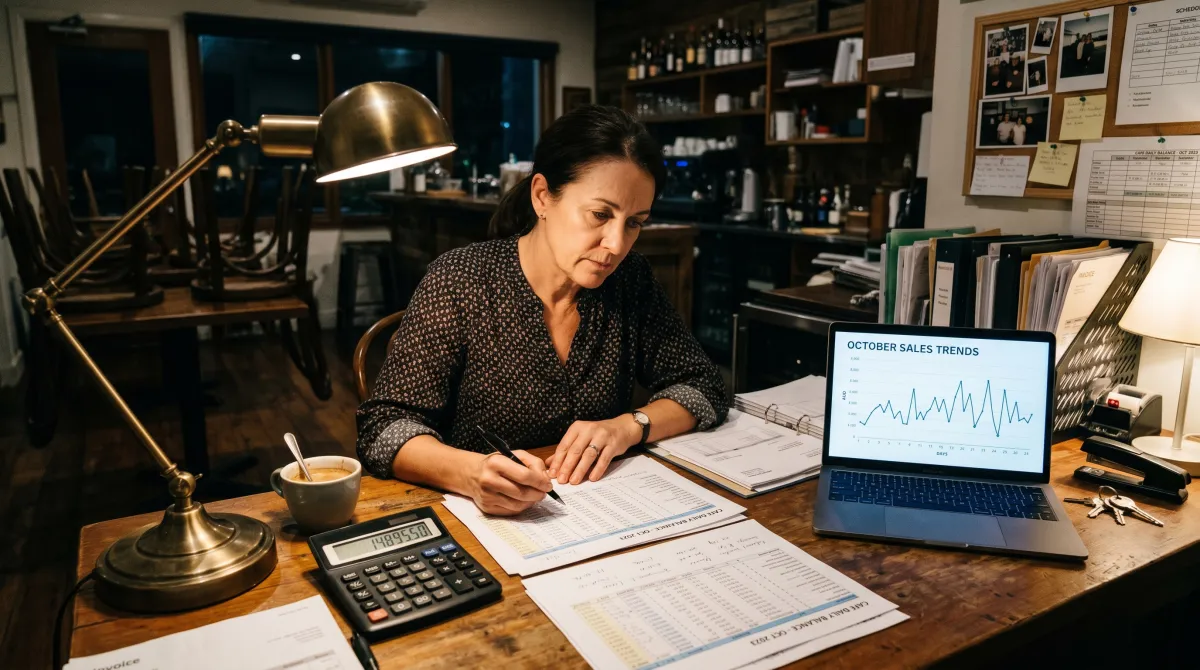
Top 12 Starbucks Competitors Explained
Here is the 2026 field and where each rival actually takes share. Read the "Where it wins" column as the threat vector, not a slogan.
| Competitor | Edge | Where it wins |
|---|---|---|
| Dunkin' | Value + speed | Cheaper cup, fast drive-thru, loyal commuter base |
| McDonald's (McCafé) | Scale | Lowest bean cost, coffee bolted onto existing restaurants |
| Dutch Bros | Throughput | Drive-thru only, fast units, cult following |
| Costa Coffee | Europe + Coca-Cola | Dominant UK chain, vending and ready-to-drink reach |
| Tim Hortons | National loyalty | Canada's default, value pricing, food attach |
| Luckin Coffee | App + price | China scale, sub-$2 cups, mobile-first ordering |
| Peet's Coffee | Craft + roast | Darker roast purists, premium positioning |
| Caribou Coffee | Regional warmth | Midwest loyalty, cabin-style brand |
| Panera Bread | Food-led + subscription | Unlimited sip club, lunch crossover |
| Pret A Manger | Fresh food + cities | Urban grab-and-go, coffee subscription |
| Nespresso | At-home premium | Pod machines, recurring capsule revenue |
| Lavazza | At-home + foodservice | Italian heritage, beans and machines at home |
Notice the split. Half compete in-store, but Nespresso, Lavazza, and retail coffee players like Folgers fight for the cup Starbucks never sells: the one made at home, no barista required. That at-home shift is a form of reintermediation, where the brand inserts itself between you and the café.
Dunkin, Tim Hortons, and Costa Coffee: The Donut and Drive-Thru Threats
Dunkin’, owned by Inspire Brands, started as a donut shop in 1950 and now sells more coffee drinks than donuts. It wins price-sensitive coffee drinkers with cold brew and cheap breakfast items served fast. Starbucks and Dunkin sell two different mornings: Starbucks offers a destination coffee shop, Dunkin’ offers speed and a smaller bill.
McDonald’s is known as a fast-food restaurant, not a coffee company, and that is exactly the danger. McCafé bolts espresso-based drinks onto more than 40,000 locations around the world, at prices no chain like Starbucks can match. The first McCafe opened in Australia in 1993, decades before most analysts called burgers a coffee threat. When fast food chains serve coffee this cheap, the major competitor hides in plain sight.
Tim Hortons, founded in 1964 and owned by Restaurant Brands International, is Canada's daily coffee ritual. Its value pricing and food attach make it the cheapest credible alternative to Starbucks on its home turf.
Costa Coffee is the UK's biggest coffee brand and Coca-Cola's bet on the global coffee business. Costa pushes beyond its shops into vending machines and ready-to-drink coffee products sold globally, so it can compete with Starbucks even where it has no stores.
Coffeehouse Brands Similar to Starbucks: Peet's, Luckin, and the At-Home Threat
Peet's Coffee, founded in 1966, taught America specialty coffee before Starbucks made it mainstream. Its prices are similar to Starbucks but the roasts run darker, and Caribou Coffee plays the same premium game with Midwest loyalty.
Dutch Bros and Luckin are the youth movement. Unlike Starbucks, Dutch Bros builds tiny drive-thru-only units with cult-level energy, while Luckin became the largest coffee chain in China by selling app-ordered cups under $2. App-first growth like this is a live case of the benefits and risks of innovation.
Panera Bread and Pret A Manger attack from food, using unlimited drink subscriptions and urban grab-and-go to turn the coffee shop into a lunch stop.
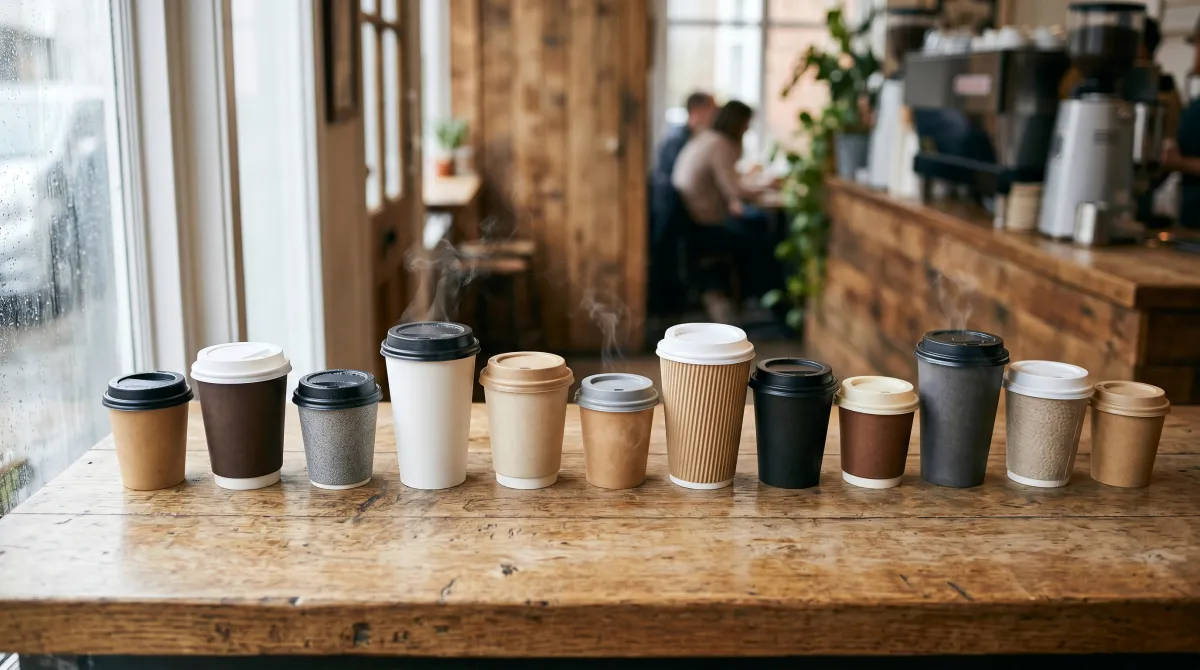
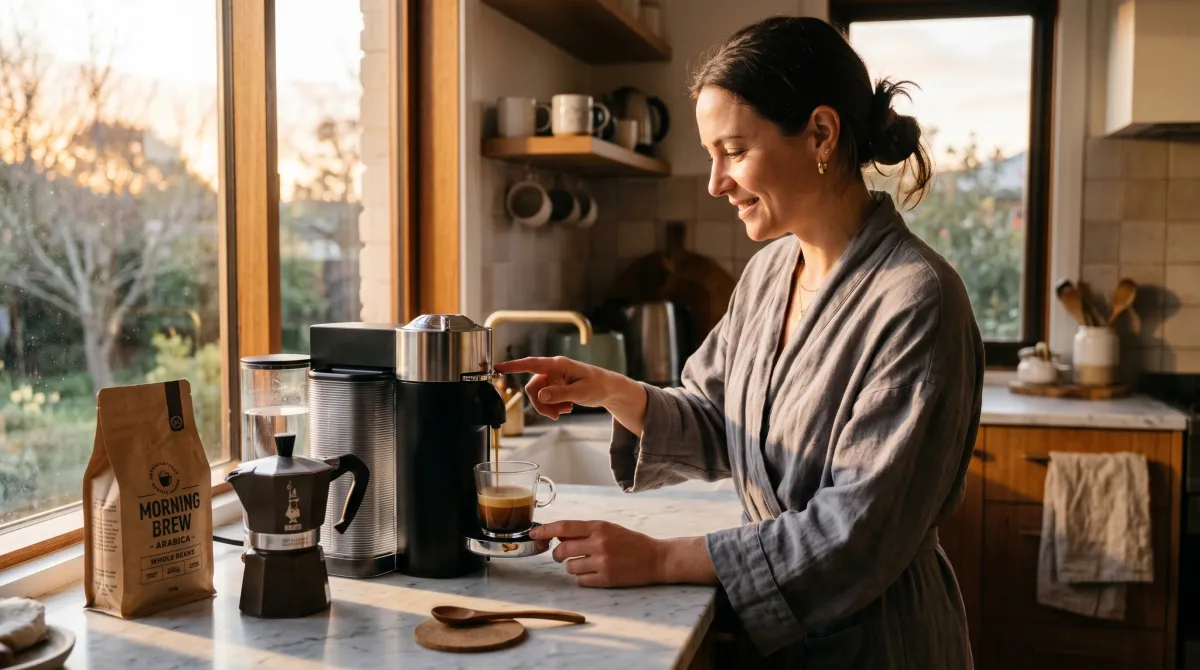
Then comes the kitchen counter. Nespresso sells machines once and capsules forever, and Lavazza trades on Italian coffee heritage at home and in foodservice. In the supermarket aisle, Folgers and coffee and beverage giants like Keurig Dr Pepper move packaged coffee and pods to people who skip the café entirely.
Add it up and the position of Starbucks in the coffee market looks less like a monopoly and more like a siege. Competitors like these do not need to beat the latte; they need to beat the trip.
Reading the Competitors Through Their Financials
Marketing tells you who is loud in the coffee industry. Financials tell you who can last. Here are the operator metrics that separate the real competitors for Starbucks from a logo, explained simply.
Economies of scale
The economies of scale definition that matters here: cost per unit falls as volume rises. Buying green coffee beans by the shipload, McDonald's and Starbucks pay less per pound than any independent ever could. Scale is the quiet weapon that lets a giant undercut and still profit.
Gross margin
The gross margin definition is simple: revenue minus the direct cost of the product, shown as a percent. The gross margin meaning in this business is brutal advantage. A latte costs cents in beans and milk but sells for dollars, so chains with strong gross margin can fund stores, apps, and price cuts rivals cannot match.
Depreciation
The depreciation meaning is the slow accounting spread of a big asset's cost over its useful life. The depreciation definition applied here: a $500k store buildout does not hit the books all at once, it is depreciated over years. Heavy store expansion looks cheap early, then the depreciation drag arrives.
Balance sheet, working capital, and cash flow
The balance sheet definition is a snapshot of what a company owns and owes on one day. The balance sheet meaning for a chain is its real strength: stores and cash on the asset side, debt and leases on the other.
The working capital definition is current assets minus current liabilities, the short-term fuel for daily operations. The cash flow definition is the actual money moving in and out, which is what keeps the lights on when accounting profit looks fine but the bank account does not.
Accounts receivable and overproduction
The accounts receivable definition is money owed to a business by customers who have not paid yet. The accounts receivable meaning for a corner shop is small, since retail is paid instantly, but the wholesale arms of Lavazza or Costa carry real receivables and the collection risk that comes with them.
Then there is overproduction. Bake too many pastries and unsold food becomes waste and a margin leak. Smart operators tune output to demand, because in food, overproduction is money thrown in the bin every single night.
In coffee, scale buys the beans, but margin buys the future.
How to Apply the Top 12 Starbucks Competitors Playbook
If you are studying this list to learn, not just to pick a drink, here is the operator routine.
- Sort rivals by battlefield: value, premium, or at-home. Do not compare a $2 cup to a $7 one.
- Check gross margin first. It reveals who can afford a price war without bleeding.
- Read the balance sheet and cash flow for staying power, not just last quarter's revenue.
- Watch depreciation and store growth together. Fast expansion can hide a future cost wave.
- Count the leaks: overproduction, waste, and slow receivables quietly erase thin margins.
Do this for any market. The same five checks expose the real threat in software, retail, or trades.
Top 12 Starbucks Competitors: FAQ
Who are Starbucks' top 3 competitors?
Dunkin’, McDonald’s McCafé, and Costa Coffee. Dunkin’ wins on speed and price in the US, McCafé wins on pure scale, and Costa leads the UK and Europe with Coca-Cola's distribution behind it.
Who is Starbucks' biggest competitor?
McDonald’s, by reach and buying power, even though its core menu is burgers. Measured purely on cups, Dunkin’ takes the most daily US commuter traffic and Luckin dominates China by store count.
What are the top 10 coffee companies?
By scale: Starbucks, Dunkin’, Tim Hortons, Costa Coffee, Luckin, Peet’s, Lavazza, Nestlé (Nespresso and Nescafé), J.M. Smucker, and Keurig Dr Pepper. The last three win in grocery aisles, not on street corners.
What are the 4 enemies of coffee Starbucks warns about?
Air, moisture, heat, and light. It is the freshness rule Starbucks teaches for storing coffee beans, and it explains the push toward sealed pods and smaller-batch roasting across the category.
What is gross margin?
Gross margin is revenue minus the direct cost of producing a product, shown as a percentage. A $5 latte that costs about $1 to make carries roughly 80 percent gross margin, which is why the category is so profitable.
What is accounts receivable?
Accounts receivable is money customers owe a business for goods or services already delivered but not yet paid for. A retail counter has almost none because customers pay instantly, while a wholesale supplier carries large receivables from the restaurants it bills monthly.
What is working capital?
Working capital is current assets minus current liabilities, the short-term money a business has to run daily operations. Healthy working capital means a chain can pay staff, rent, and suppliers without scrambling, even when sales dip for a season.
What do balance sheet examples look like?
Balance sheet examples list assets on one side (cash, stores, equipment, inventory) and liabilities plus equity on the other (debt, leases, supplier bills, owner stake). The two sides always balance, which is the point of the format.
What do profit and loss statement examples show?
Profit and loss statement examples show revenue at the top, then subtract cost of goods, operating costs, depreciation, and tax to reach net profit. They reveal whether strong sales actually survive rent, wages, and waste once every cost is counted.