Leadership
Price Leadership Definition Examples (2026): Types + Cases
Price leadership definition examples explained: how one firm sets the price and rivals follow, plus the three types and how it differs from leadership styles.

Search price leadership definition examples and you get two worlds mixed together: the economics term about who sets prices in a market, and the people term about how you lead a team. This guide untangles both, because operators need to know which one a meeting is actually talking about.
Quick answer
Price leadership is a market structure where one dominant firm sets the price and competitors follow it instead of competing on cost. Think OPEC nudging oil, or a category-leading retailer that rivals quietly match. It is an economics concept, not a personality trait.
Key takeaways
- Price leadership = one firm sets price, the rest follow. It is about markets, not managers.
- Three classic types: dominant-firm, collusive, and barometric price leadership.
- Real examples include airlines, fuel retailers, and consumer tech launches.
- It is often confused with leadership styles (servant, autocratic), which describe how you lead people.
- Regulators watch it closely because it can shade into illegal price coordination.
What Is Price Leadership? Definition and Examples
Price leadership happens in concentrated markets, usually an oligopoly with a few large players. One firm, the price leader, changes its price first. Everyone else treats that move as the signal and adjusts to stay in line.
The leader is typically the firm with the lowest costs, the biggest market share, or the strongest brand. Followers accept the price because matching is safer than starting a price war nobody wins. It is worth saying upfront: this has nothing to do with the people-management ideas covered in our complete leadership guide.
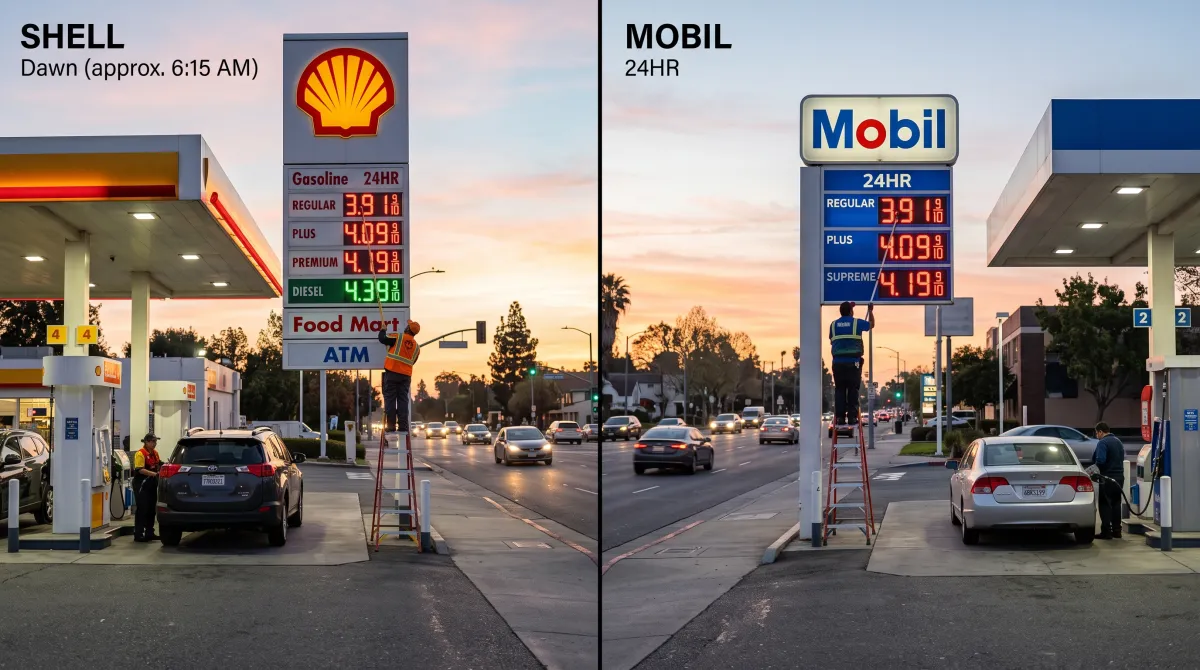
A simple example: a regional fuel chain raises pump prices by five cents on Monday. By Tuesday, the stations across the street have matched it. Nobody signed an agreement. The market just followed the leader. The formal economics behind this sits in price leadership theory, but the street-level version is exactly that simple.
Price Leadership Definition Examples Explained: The Three Types
Economists split price leadership into three forms. Knowing which one you are looking at tells you how stable, and how legal, the pricing really is.
| Type | How it works | Real-world signal |
|---|---|---|
| Dominant-firm | The largest player sets price; smaller rivals are price takers. | A market leader with 40%+ share that others mirror. |
| Collusive | Firms tacitly coordinate around a leader without a formal deal. | Suspiciously synchronized price moves across rivals. |
| Barometric | One firm reads market conditions best and others follow its read. | A respected player adjusts first; the rest validate the call. |
Dominant-firm leadership is the most common and the easiest to spot. Barometric leadership is the most benign, because the leader is just a good forecaster. Collusive leadership is the one regulators investigate.
The line between barometric and collusive matters more than it looks. In barometric leadership, followers move because the leader read the market well. In collusive leadership, they move because everyone quietly agreed to. The behavior looks identical from the outside, which is exactly why antitrust cases are hard to prove and slow to resolve.
Price leadership is power without a contract: you move first, and the market moves with you.
Price Leadership Definition Examples: Real Markets
Examples make the concept stick. Here are markets where price leadership shows up in practice.
Oil and OPEC. When OPEC adjusts production targets, the move ripples into global crude prices and non-member producers respond. It is the textbook case of a dominant bloc steering price.
Airlines. One major carrier raises a base fare on a route, and competitors often match within days to protect margins on shared corridors. The first mover tests demand; the followers ride the result without taking the risk.
Consumer tech. When a category leader prices a flagship device, rivals frequently anchor their own pricing to that number, above or below, but always relative to it. The leader effectively sets the reference point the whole category negotiates against.
Grocery and retail. A dominant supermarket chain that drops the price of staples like milk or bread often forces smaller competitors to match or lose foot traffic. Here the leader uses price not to raise margins but to defend share, a defensive form of the same lever.

How to Apply Price Leadership Without Breaking the Law
If you run pricing, price leadership is a lever, not a license. Following a competitor's public price is legal. Coordinating prices with rivals is not.
Three guardrails keep you clean. Track public list prices only. Document that your decisions are independent. Never discuss future pricing with a competitor, even casually.
The practical play: pick whether you want to be the leader or the follower in your category. Leaders absorb the risk of being wrong first. Followers trade some upside for stability. Both are valid strategies, and the right choice depends on your cost position and how much demand data you actually have.
One trap worth naming. If you are the follower, do not match every move on reflex. A leader testing a price ceiling can leave you stranded above demand if you copy the increase and they quietly walk it back. Watch what sticks, not what gets announced.
Price Leadership vs Leadership Styles: Don't Confuse Them
This is where searches collide. Price leadership is about markets. Leadership styles are about how a person guides a team. They share a word and nothing else.
The main types of leadership styles describe behavior, not pricing. The same operator who plays a smart price-leadership game might run a very different people strategy at the same time. And building real leadership skills, the people kind, has nothing to do with reading a competitor's price sheet. Job postings that list "leadership skills skills" as a clumsy duplicate still mean the human craft: coaching, trust, and judgment, not margin tactics.
- Servant leadership definition: the servant leadership meaning centers on serving the team first, removing blockers, and growing people before output. The servant leadership model flips the usual hierarchy on its head.
- Autocratic leadership: strong autocratic leadership skills mean fast, top-down decisions, useful in crises, costly for morale long term.
- Coaching: leadership coaching develops judgment over time instead of issuing orders, building leaders who think for themselves.
Frameworks like the 5 levels of leadership map how influence grows from positional authority to legacy. The 5 level leadership model is a ladder of trust, not a pricing tactic. Each rung asks more of you as a person, which is why understanding the different leadership roles and what each one owns matters before you pick a style.
Your leadership philosophy is the throughline. Strong leadership philosophies, and yes, even a clumsily spelled leadership philosphy in someone's notes app, all answer the same question: how do you treat the people you lead? A facilitative leadership approach answers it one way, an autocratic one answers it another, but that is separate from how you treat your price list.
So when a colleague says "we need price leadership here," ask which one they mean. If it is the market, you are talking strategy and margins. If it is the team, you are talking leadership styles and culture. The word is identical; the playbook is not. The signs your boss already sees you as a leader have nothing to do with whether your firm sets the market price.
Related guides
Price Leadership Definition Examples: FAQ
What is servant leadership?
Servant leadership is a style where the leader prioritizes the needs of the team over their own, focusing on growth, support, and removing obstacles so people can do their best work.
What are some leader examples?
Leader examples span markets and management: a dominant firm acting as a price leader in oil, or a manager applying coaching and servant leadership to develop a team. Both are leaders in their own context.
What are examples of leaders setting prices?
Examples of leaders setting prices include OPEC steering crude, major airlines anchoring route fares, and category-leading tech firms whose flagship pricing rivals mirror.
What are good leadership examples in business?
Good leadership examples include a CEO who picks a clear pricing position and a manager who builds trust through consistent leadership styles. Strategy and people leadership reinforce each other.
Are leaders examples the same in economics and management?
No. In economics, leaders examples mean firms that set market prices. In management, leaders examples mean people who guide teams. The shared word hides two very different ideas.