Marketing
Square One Agri Marketing: A Ground-Up Plan (2026)
Square one agri marketing means building your farm or ag-brand plan from scratch. Define one buyer, pick channels you can sustain, and win leads per dollar.
Most farms and ag suppliers do not have a marketing problem. They have a square one agri marketing problem: no clear plan, no owned audience, and budget scattered across whatever a rep pitched last. This guide is the ground-up playbook I would hand a grower, co-op, or ag-input brand starting cold.
Quick answer
Square one agri marketing is building an agricultural marketing plan from scratch: define one buyer, pick two or three channels you can sustain, and put most of your first budget into an owned email list plus local trust-building. Start narrow, measure leads per dollar, then expand.
Key takeaways
- Nail one buyer and one offer before touching ads or social.
- Owned channels (email, your site) beat rented ones for ag margins.
- Trust sells in agriculture: proof, demos, and word of mouth outperform slogans.
- Run a 90-day sprint, then double down on what returns leads per dollar.
- Seasonality is your calendar; plan campaigns around the buying window.
What starting from square one actually means
Square one is not day one of the business. It is day one of doing marketing on purpose. You may already sell seed, equipment, agronomy, or produce and still be at square one if referrals are your only pipeline.
The fix is a repeatable system: a defined audience, a message that names their problem, and a channel mix you can run every week without burning out. If you want the wider strategic frame, our marketing fundamentals hub maps how these pieces connect. Everything below builds that system in order.
One more reframe before the steps. Square one is a mindset, not a budget size. A $500-a-month grower and a regional input dealer both start the same way: pick one buyer, prove one channel, then widen. Skipping that sequence is why most ag marketing budgets quietly leak.
Step 1: Define one buyer and one problem
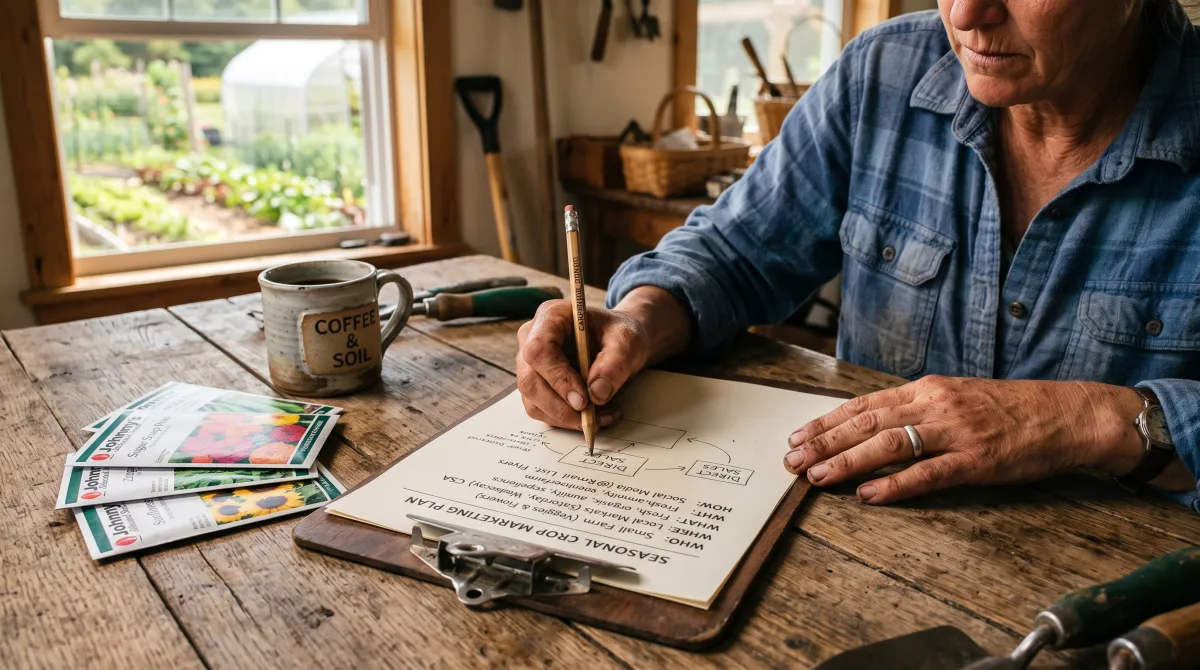
Broad targeting kills small ag budgets. "Farmers" is not a buyer. "Corn and soybean growers within 60 miles who buy inputs by January" is a buyer you can actually reach and message.
Write down the single problem you solve better than the co-op down the road. Lower input cost per acre, faster equipment service, agronomy that raises yield, or reliable local supply. That one sentence becomes the spine of every ad, email, and field-day invite.
Test the buyer before you build around it. Call ten growers who fit the description and ask what they bought last season and why. If their answers match your one problem, you have a segment. If they wander, your buyer is still too broad and every dollar downstream will scatter.
In agriculture, trust closes the sale and marketing only earns the meeting.
Step 2: Pick channels you can actually sustain
Do not spread across six platforms. At square one, choose two or three channels that match how your buyers already find suppliers. For most ag brands that means an owned email list, a simple website, and one high-trust offline touch like a field day or trade show.
The reason is margin. Ag margins are thin, so rented reach on paid social gets expensive fast. Owned channels compound: an email list you build this season still sells next season at near-zero cost.
A starter channel stack
| Channel | Best for | First move |
|---|---|---|
| Email list | Repeat buyers, seasonal offers | Collect emails at every sale and event |
| Local SEO + site | Being found when growers search | Claim your Google Business Profile, add services |
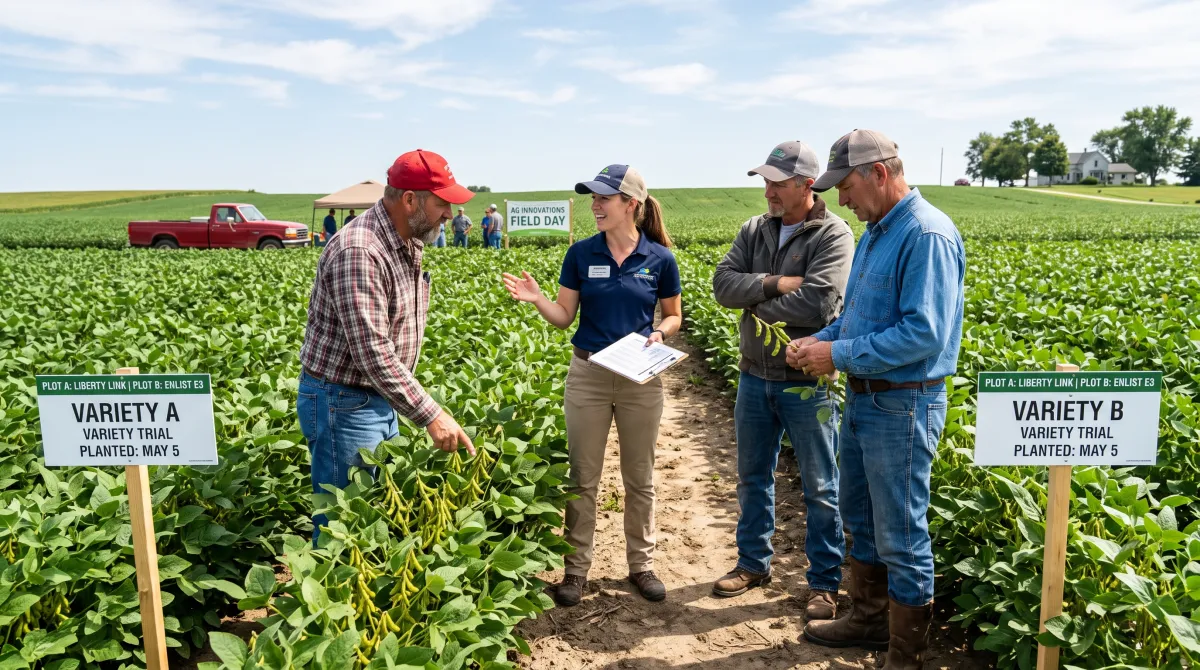
| Field days / demos | Trust and proof | Host one on-farm demo per season |
| Referral program | Low-cost pipeline | Offer a clear reward for grower referrals |
These four map cleanly onto the classic product, price, place, and promotion levers that every marketing plan still runs on, adapted for the field.
Step 3: Split your first budget the boring way
New ag marketers overspend on ads and underspend on the asset that keeps paying: their list and their reputation. A simple square-one split protects you from that mistake.
- 50% owned: website, email tool, and content that answers real grower questions.
- 30% trust: demos, field days, sponsorships, and printed proof at the co-op or dealer.
- 20% paid tests: small, tracked campaigns to find one channel worth scaling.
Keep the paid slice small until one campaign clears your cost-per-lead target. Then move budget toward the winner instead of adding new platforms.
Set the target before you spend a cent. If a new customer is worth $2,000 a season and you close one in four leads, a $100 cost per lead still prints money. Write that math down, because it turns "the ads did not work" into "the ads cost $180 per lead, so cut them."
Step 4: Build trust, because agriculture buys on proof
Growers risk a season on your product. Slogans do not move them; evidence does. Yield data, side-by-side plot results, a neighbor's testimonial, and a rep who answers the phone at planting will out-market any clever tagline.
This is also where responsible positioning matters. Claims about sustainability, safety, or yield have to be true and specific. A grounded, honest message aligns with the idea that good marketing serves the customer and the community, which in ag is your literal neighborhood.
Package the proof so it travels. A one-page plot result with the date, field, and inputs beats a glossy brochure at every coffee-shop conversation. Trust in agriculture spreads grower to grower, so make your evidence easy to hand across a truck seat.
Step 5: Run the first 90 days as a sprint
Do not plan a year you cannot execute. Plan one season-relevant sprint, ship it, and read the numbers before the next one.
- Weeks 1-2: lock the buyer, the offer, and the tracking (leads, cost per lead).
- Weeks 3-6: launch email plus one owned-content piece and start list collection.
- Weeks 7-10: run one demo or field day and one small paid test.
- Weeks 11-12: review leads per dollar, cut losers, scale the winner.
Ninety days gives you real data without betting the year. Whatever returns leads cheapest becomes your core channel for the next sprint.
Common square-one mistakes to skip
Two errors sink most first-time ag marketers. First, chasing every platform at once, which spreads effort so thin nothing works. Second, ignoring seasonality, so campaigns land after the buying window has closed.
Fix both by anchoring your calendar to the buying season and committing to a short channel list you can run consistently. Consistency beats reach at this stage.
Where to go after square one
Once one channel reliably returns leads, layer in the next: a referral engine, a second content topic, or a paid channel you have now proven. The plan stays the same, just wider.
Resist the urge to rebuild everything. The buyer, the offer, and the tracking you locked in week one still run the show. You are adding reach on top of a system that already works, not starting over.
FAQ
What does "square one agri marketing" mean?
It means building an agricultural marketing plan from scratch: one clear buyer, a message that names their problem, and two or three channels you can run every week. You start narrow and expand only after the numbers justify it.
How much should a small farm spend on marketing?
Start with a fixed, small monthly budget you can sustain, and split it roughly 50% owned assets, 30% trust-building, and 20% paid tests. Scale only the channel that clears your cost-per-lead target.
Which marketing channel works best in agriculture?
An owned email list usually wins because it compounds across seasons at near-zero cost. Pair it with local search and one high-trust offline touch like a field day or demo.
How do I market when sales are seasonal?
Build campaigns backward from the buying window. Grow your list and trust in the off-season, then launch offers in the weeks buyers actually decide, so your message lands before the purchase, not after.