Workplace & Career
Careers With Development Studies (2026 Guide)
Careers with development studies span NGOs, government, UN agencies, and corporate ESG teams. See the five tracks, job titles, and how to break in for 2026.
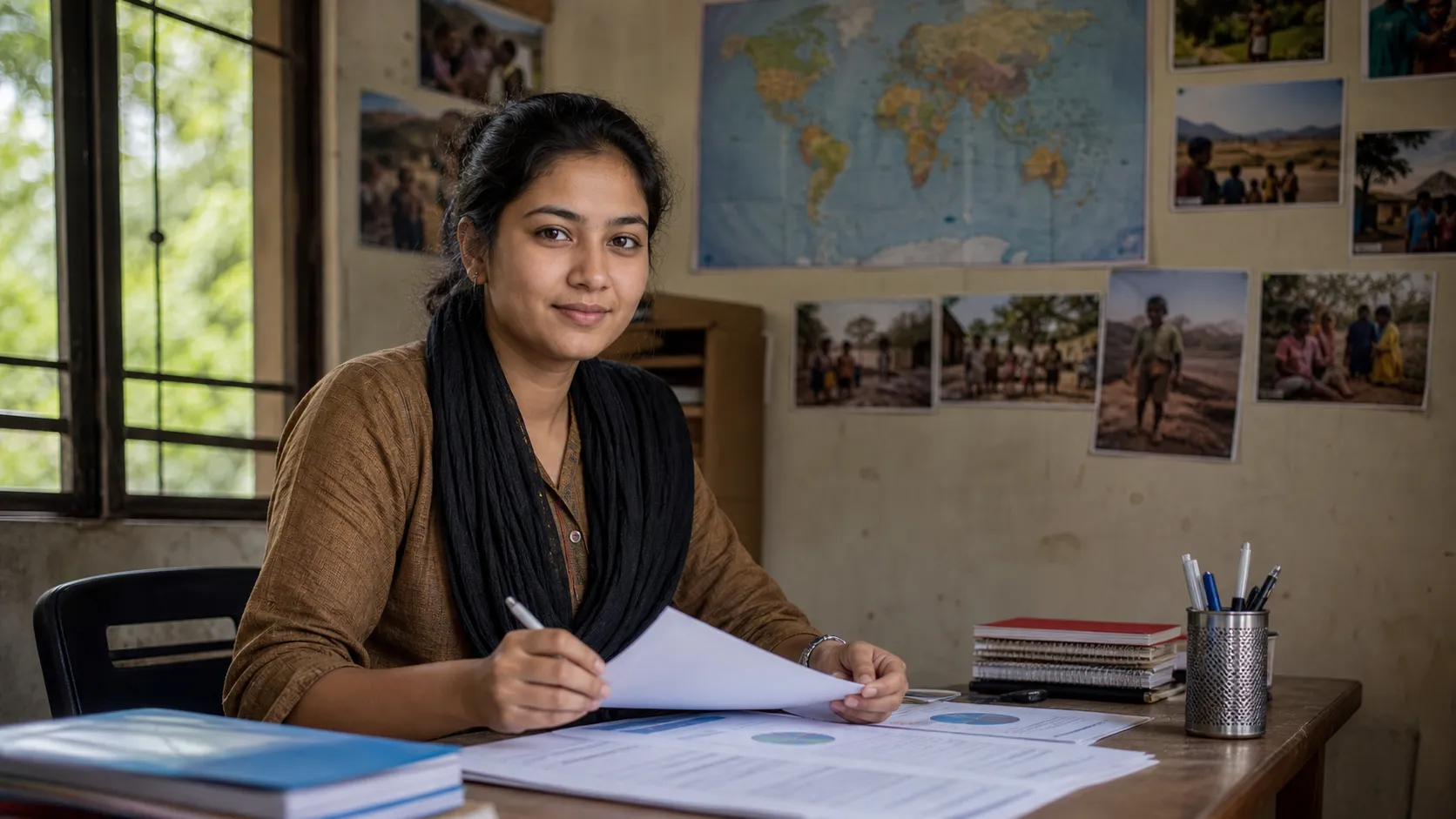
Careers with development studies open doors in international NGOs, government agencies, multilateral institutions, and the growing corporate social-impact sector. If you have a degree in development studies, political economy, or a related social science, the job market is wider than most students expect, but landing the right role means matching your coursework to a specific career track early.
Quick answer
Careers with development studies typically fall into five tracks: NGO and humanitarian program work, government or diplomatic service, roles at multilateral bodies like the UN or World Bank, corporate social responsibility and ESG positions, and applied research or consulting. Most graduates start in program or research support roles, then move into policy, management, or specialist positions within five to eight years.
Key takeaways
- Development studies graduates work across NGOs, government, multilateral agencies, and corporate CSR or ESG teams.
- Common entry-level titles include program officer, research assistant, and grants coordinator.
- Professional development, structured skill-building through certifications, mentorship, and training, speeds the move from entry-level to specialist roles.
- Career development, the longer-term planning of your career path, matters as much as the degree when choosing a track.
- Fieldwork, data analysis, and grant-writing experience open more doors than the degree alone.
What Are Careers With Development Studies?
Careers with development studies are roles that apply the discipline's core toolkit, economic analysis, policy design, program evaluation, and cross-cultural fieldwork, to real problems in poverty reduction, public health, education, and governance. The field sits at the intersection of economics, political science, and sociology.
Understanding the career development definition helps here. Career development is the ongoing process of managing your work life through stages: choosing a field, building skills, and progressing into roles with more responsibility. The career development meaning goes beyond promotions alone: it also covers lateral moves between tracks, such as shifting from NGO fieldwork into a multilateral policy role.
The professional development definition is narrower. Professional development means building specific job skills through training, certification, or mentorship, rather than managing your whole career arc. Knowing the professional development meaning early helps you separate skill-building goals from long-term career planning, which matters when you decide what to prioritize each year.
If you are mapping out your next move in the workplace, it helps to know which of these five tracks actually hires, and what each expects from a candidate on day one.

Careers With Development Studies Explained
The five main tracks look different day to day, even though they share a common academic root.
NGO and humanitarian work. Organizations such as Oxfam, Save the Children, and hundreds of smaller NGOs hire program officers, monitoring and evaluation (M&E) specialists, and field coordinators. Work often involves grant management and direct community contact.
Government and diplomatic service. Agencies like USAID, foreign ministries, and national development banks hire policy analysts and foreign service officers. These roles usually involve a security clearance process and, in many countries, a competitive entry exam.
Multilateral institutions. The United Nations Sustainable Development Goals framework guides hiring priorities at UN agencies, the World Bank, and regional development banks. These employers favor candidates with a master's degree and multilingual skills.
Corporate CSR and ESG. Multinational companies now run in-house sustainability, ESG reporting, and community-investment teams. This track pays closer to standard corporate salaries and often has a faster path to management.
Research and consulting. Think tanks, universities, and firms working on international development projects hire researchers, data analysts, and evaluation consultants.
Careers With Development Studies Examples
Here are common job titles by track, from entry-level to mid-career.
| Track | Entry-level title | Mid-career title |
|---|---|---|
| NGO and humanitarian | Program Assistant | Country Program Manager |
| Government or diplomatic | Policy Analyst | Foreign Service Officer |
| Multilateral (UN, World Bank) | Junior Professional Officer | Program Specialist |
| Corporate CSR or ESG | Sustainability Coordinator | ESG Manager |
| Research or consulting | Research Assistant | Senior Development Consultant |
Job titles vary by employer, but the progression pattern holds across all five tracks: support role first, specialist or management role second.
Professional Development Skills and Career Development Skills You Need
Two skill sets matter here, and they are not the same thing.
Professional development skills are the technical and interpersonal abilities you build through training: grant writing, monitoring and evaluation (M&E) frameworks, statistical software, and donor reporting. These are what a job posting lists as requirements.
Career development skills are broader: networking, negotiating a role's scope, and reading when it is time to move to a new employer or track. Development studies careers rarely follow a straight line, so this second skill set decides how fast you actually advance.
Before you push for a bigger role, it helps to recognize the signs your boss wants to promote you, since program and policy teams often promote from within rather than posting externally.
Career development skills also include managing team dynamics as you gain seniority. Learning to spot early signs of jealous coworkers helps you address friction before it slows down a program.
The degree gets you an interview. Fieldwork, one real skill, and a clear track choice get you the job.

Types of Professional Development in the Workplace
Professional development in the workplace takes several forms, and development studies careers tend to use all of them.
- Formal training: M&E certifications, project management credentials (PMP, PRINCE2), and language courses.
- Mentorship: pairing junior program staff with senior specialists, common at NGOs and multilateral agencies.
- Stretch assignments: short-term field postings or secondments that build fieldwork credibility fast.
- Peer learning: internal knowledge-sharing sessions held after major program evaluations.
The benefits of professional development show up directly in this field. Staff with M&E certifications or project management credentials are far more competitive for specialist and program manager openings, since most postings list these as required, not preferred.
Professional development best practices that apply here include setting a skills plan every year, asking for feedback after each program cycle, and checking which credentials your target employers actually require before paying for a course.
How to Apply Careers With Development Studies
A practical path from degree to first paycheck looks like this.
1. Pick a track early. NGO, government, multilateral, corporate CSR, or research. Each has different entry requirements and hiring cycles.
2. Get one piece of fieldwork or data experience. An internship, a research assistantship, or volunteer M&E work counts more than GPA on most applications.
3. Build a career development strategy, not just a resume. Career development strategies for this field usually include a target employer list, a language or certification goal, and a two-year plan for moving from support to specialist roles.
4. Use professional development strategies deliberately. Choose one certification or training per year that maps to a specific job posting you want, rather than collecting credentials at random.
When you list references from past roles or internships, be ready to explain in what capacity you know the candidate you are vouching for. Development sector hiring managers check this closely.
Careers With Development Studies FAQ
What is professional development?
Professional development is the ongoing process of building job-related skills through training, certifications, mentorship, and hands-on practice. In development studies careers, it usually means M&E, grant writing, or language training.
What are professional development examples?
Examples include completing a project management certification, attending a donor-reporting workshop, taking a language course, or shadowing a senior program manager during a field visit.
What is career development?
Career development is the long-term process of planning and managing your career path, including choosing a track, building experience, and moving into roles with more scope and responsibility over time.
Why is professional development important?
Professional development is important because it closes the gap between what a degree teaches and what employers actually require, which speeds up promotions and makes career changes within the sector easier.
What are career development examples?
Examples include moving from a program assistant role to a country program manager position, switching from NGO work to a multilateral agency, or building toward a policy specialist title through targeted training.