Leadership
Zuckerberg Leadership Lessons Every Manager Can Learn
Mark Zuckerberg's 2026 AI bet, $145B capex, and 8,000 layoffs hold real leadership lessons. See what to copy, what to skip, and how to lead with conviction.
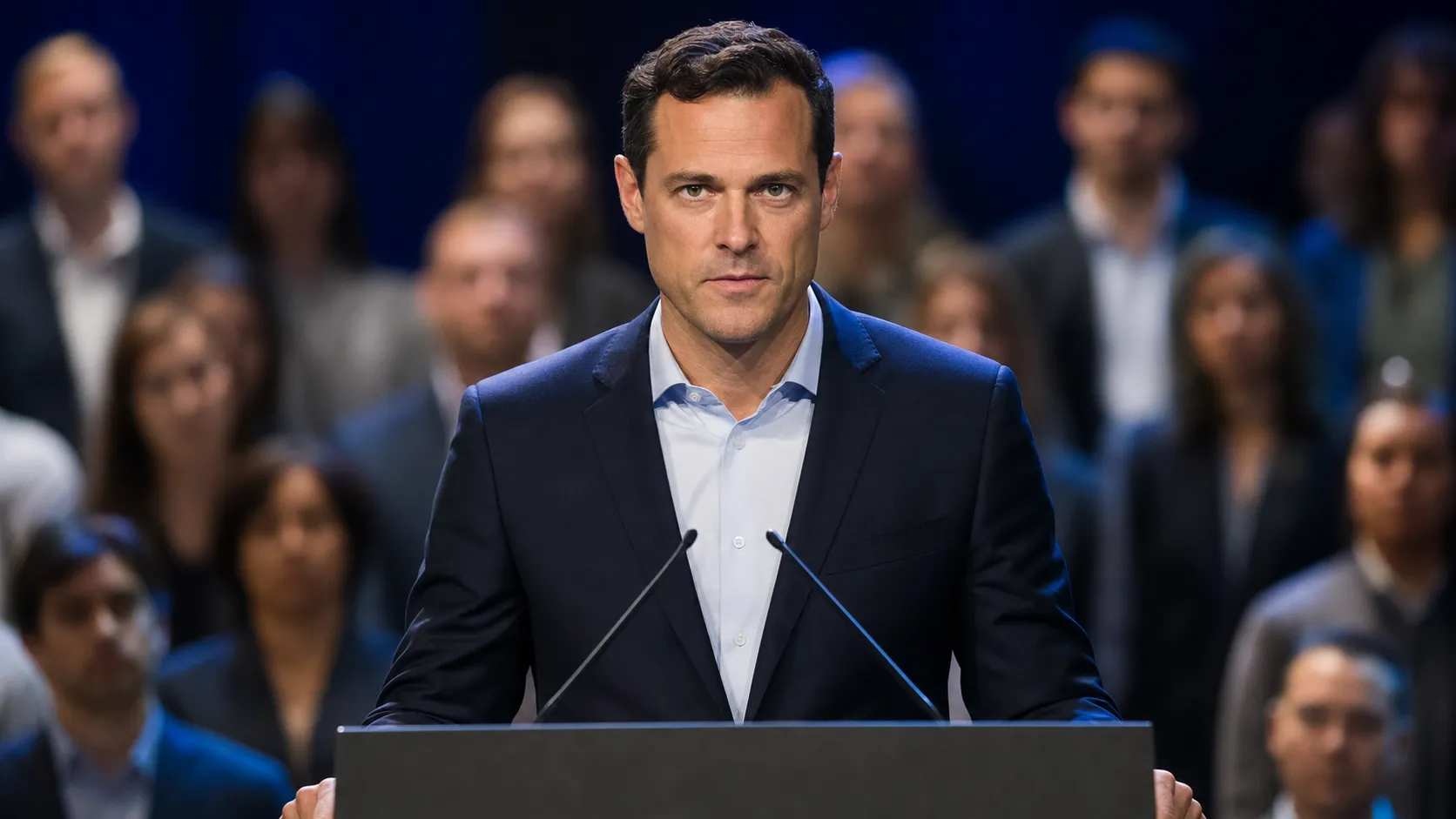
Few executives split a room like Mark Zuckerberg. In 2026 he is reorganizing one of the largest companies on earth around a single bet, and managers can learn as much from his discipline as from his blind spots.
Quick answer
Mark Zuckerberg leads with founder-level conviction: he pivots hard before the core declines, pays top dollar for scarce talent, and flattens teams to move faster. The lesson for managers is to borrow his decisiveness while demanding the ROI metrics and honest communication he often skips.
Key takeaways
- Conviction wins, but unmeasured conviction scares stakeholders, so pair big bets with clear ROI.
- Repositioning before decline beats reacting to it, yet funding it from core profits raises the stakes.
- Paying premium for elite talent works only if you manage the resentment it creates internally.
- Lean, AI-assisted teams can move faster, but name the real reason for cuts instead of hiding behind "productivity."
- Constant reorganization buys speed and costs stability, so protect clarity of ownership.
This is not a fan piece or a takedown. It is an operator's read of what Zuckerberg's playbook gets right, where it breaks, and how a normal manager can apply the parts that travel.
1. Founder-mode conviction: the engine and the warning
On April 29, 2026, Meta reported Q1 revenue of $56.3 billion, up 33% year over year, its fastest growth since 2021. Profit jumped to $26.8 billion, though about $8 billion came from a one-time tax benefit.
The market still punished the stock roughly 7% after hours. The reason was simple: Zuckerberg raised 2026 capital expenditure guidance to $125 to $145 billion, up from $115 to $135 billion.
That is the founder-mode trade. He ignored short-term Wall Street pressure to fund a long-term conviction, the same instinct that separates strong leadership roles from cautious caretaking.

The warning sits in one exchange. Asked about the return on that spend, Zuckerberg called ROI "a very technical question" and moved on. Conviction without a visible measure of success reads as faith, not strategy.
What managers steal: protect a real bet from quarterly noise. What they fix: attach a metric Zuckerberg dodged, so your team and your boss can tell progress from hope.
2. Pivot before the decline, not after it
Zuckerberg has done this twice already. He forced Facebook from desktop to mobile when mobile barely paid, then bet the company on the metaverse. In 2026 he has turned everything toward what he calls "personal superintelligence."
The discipline is repositioning while the core is still healthy. Meta's apps are still printing cash, and he is using that strength to fund the next platform rather than waiting for ads to stall.
Pivoting from a position of strength is leadership; pivoting from panic is just survival.
The risk is real too. Burning core profits to chase an unproven bet means a miss does not just cost the new venture, it dents the engine that funded it. Managers face the same math on a smaller scale every budget cycle.
3. Pay premium for scarce talent, then manage the fallout
In June 2025, Zuckerberg invested $14.3 billion for a 49% non-voting stake in Scale AI and brought in its 28-year-old founder, Alexandr Wang, as Meta's first Chief AI Officer.
He went further, recruiting individual researchers with packages reported above $200 million and signing bonuses reaching into the tens of millions. He even rearranged office seating so new hires sat near him.
That is a clear thesis: scarce capability is worth paying for. The reverse showed up fast. Meta cut about 600 veteran AI researchers, including from its FAIR group, while protecting new arrivals, which fueled internal resentment.
The manager lesson: overpaying for a key hire can be correct, but the people already in the building watch how you treat loyalty. Pair the splashy hire with honest conversations, or you trade morale for talent.
4. Lean teams and AI "pods": say the real reason
On May 20, 2026, Meta cut roughly 8,000 jobs, about 10% of its workforce, and moved nearly 7,000 more staff into new AI units like Applied AI Engineering. CFO Susan Li said a "leaner operating model" would let the company move faster and offset its AI spend.

The underlying bet is that a few strong people armed with AI can do the work of whole departments. That may prove true. But framing layoffs as "AI productivity" when they are really funding a $145 billion capex line erodes trust.
Some transferred staff reportedly called themselves "draftees," and parts of the new unit were nicknamed "the gulag" because reassigned engineers had no option to move elsewhere internally. That is the cost of a poorly communicated reshuffle.
To his credit, in a June 12, 2026 internal memo Zuckerberg admitted the company had "made mistakes and will almost certainly make more." If you have to run a lean team, name the constraint plainly.
People forgive hard decisions far more readily than they forgive a story that does not match their reality. Studying different facilitative leadership habits helps you frame those trade-offs honestly.
5. Reorganization as a tool, with a cost attached
Meta has split, merged, and renamed its AI structure repeatedly. Superintelligence Labs was carved into teams like TBD Lab, FAIR, Products, and infrastructure, and leadership lines kept shifting through 2026, including changes that narrowed Wang's autonomy.
Reorganizing keeps an organization adaptable, and Zuckerberg uses it deliberately. The downside is whiplash. When reporting lines change every quarter, ownership blurs and good people spend energy decoding the org chart instead of shipping.
That same June memo promised to scale back management spans that had stretched to 50 individual contributors per manager, a quiet admission the structure had gone too far. Adaptability is healthy, but a leader has to balance speed against the clarity people need to act.
The contingency theory of leadership is useful here: the right structure depends on the situation, not on a habit of constant change.
6. Convictions need a finance story to survive
The cleanest signal of 2026 is that strong results were not enough. Revenue rose 33%, the first model from Meta Superintelligence Labs, Muse Spark, shipped in April, and the stock still fell because investors could not connect the spend to a payoff.
Daily active people also slipped 5% sequentially to 3.56 billion, the first such decline, which gave skeptics another reason to doubt the timing of the bet.
For any manager defending a budget, the lesson is blunt. Belief is the start, not the case. You still owe stakeholders a credible line from the money in to the value out. Leaders who master that tend to look more like the enduring leaders in history than like a one-quarter gamble.
How to apply the Zuckerberg playbook without the baggage
| Zuckerberg move | What to copy | What to avoid |
|---|---|---|
| $125-145B AI bet | Defend long-term bets from short-term noise | Skipping ROI as "too technical" |
| Pivot to superintelligence | Reposition while the core is strong | Funding it past the point of safety |
| $200M+ talent packages | Pay up for genuinely scarce skill | Letting it breed quiet resentment |
| 8,000-job cut | Run leaner to move faster | Mislabeling cost cuts as "AI gains" |
| Constant reorg | Stay adaptable | Sacrificing clarity of ownership |
A facilitative style fills the gaps Zuckerberg's command approach leaves open: it brings the team into the why, which is exactly where his model is weakest.
Related guides
Frequently asked questions
What does Zuckerberg's $125-145 billion AI bet teach managers about conviction?
It shows the power of founder-mode conviction: Mark Zuckerberg ignored short-term Wall Street pressure and nearly doubled 2025 capex to fund AI. The caution is that he dodged the ROI question as "very technical," so managers should copy his resolve but still attach hard metrics to any big bet.
Why does Zuckerberg keep pivoting Meta, and is that a good leadership model?
After moving from desktop to mobile and then into the metaverse, Zuckerberg turned Meta toward "personal superintelligence." The lesson is to reposition before decline rather than after it. The risk is real, because burning core profits to fund an unproven bet can damage the engine that paid for it.
What is the lesson from Meta paying $200M+ packages and buying into Scale AI?
It signals a willingness to pay premium prices for scarce capability, including a $14.3 billion stake in Scale AI and packages above $200 million. The flip side was internal resentment, including cutting roughly 600 veteran researchers to protect new hires. Reward scarce talent, but manage the morale cost.
How should managers read Meta's 8,000 layoffs and AI "pods" strategy?
Meta cut about 8,000 jobs, roughly 10% of staff, on the thesis that small AI-assisted teams replace whole departments. Apply it carefully: be honest that such cuts are largely about funding capex, not pure "AI productivity." Zuckerberg himself admitted in June 2026 that the restructuring made mistakes.