Workplace & Career
What Does Workplace Health and Safety Mean to You?
What does workplace health and safety mean to you? The legal duties, the hierarchy of controls, and a sample interview answer you can adapt today.
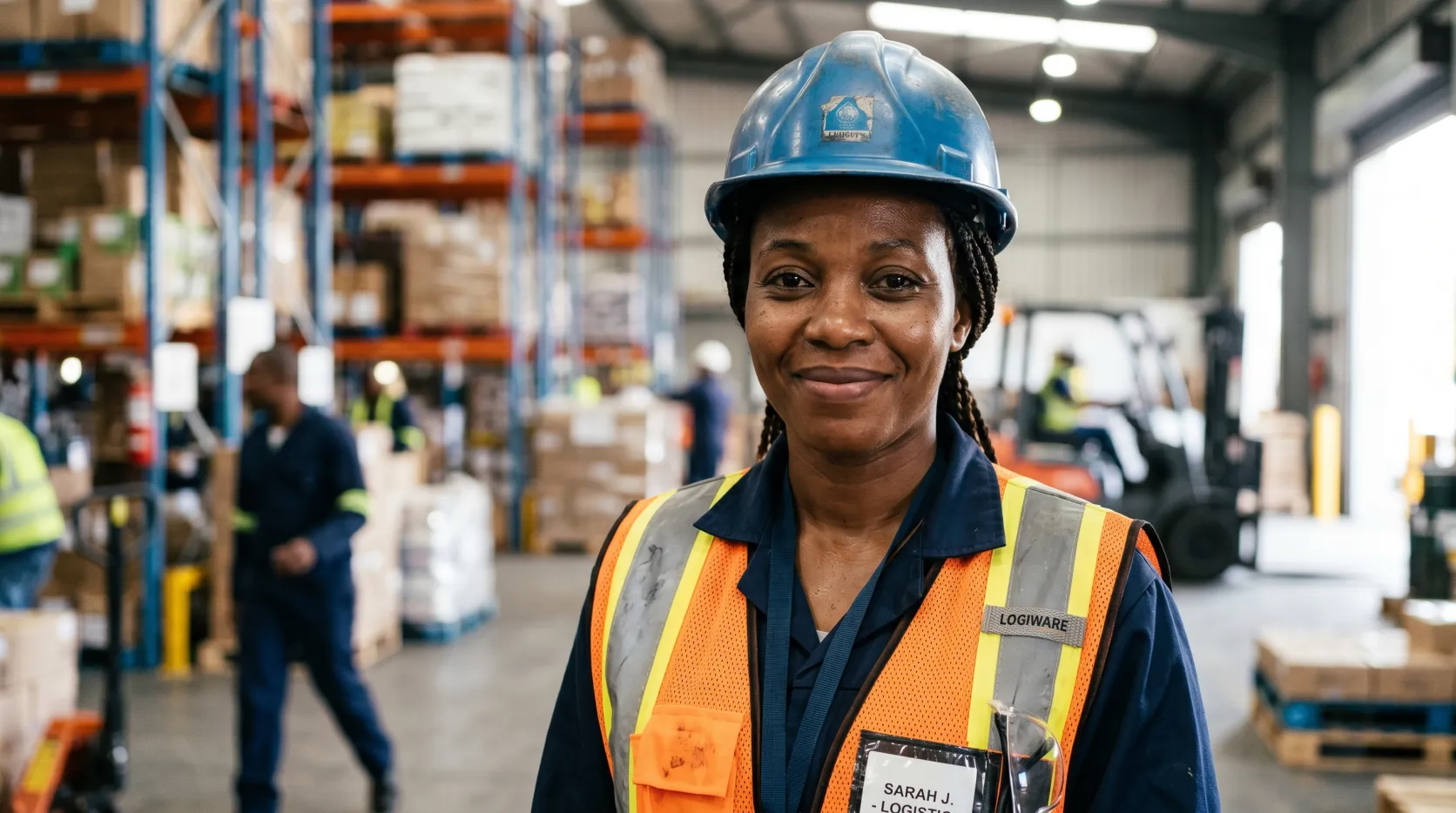
What does workplace health and safety mean to you? It means everyone who works, on a factory floor or at a kitchen table, goes home in the same shape they arrived, because hazards are spotted and fixed before they hurt anyone.
Disclaimer: This article is for general information only and isn’t legal, financial or tax advice. Laws vary by state and change; check the official source or talk to a qualified professional about your situation. Nor is it medical or mental-health advice; if you are struggling, talk to a qualified healthcare professional.
Ask ten people the question and you get ten answers. A warehouse lead pictures forklifts and hi-vis vests. A remote designer thinks about wrist pain and screen breaks. Both are right, because health and safety is part legal duty, part culture, part the small choices made at 9am on a Tuesday.
Quick answer
Workplace health and safety means actively preventing accidents, injury, and illness at work through shared responsibility. Employers control the safety systems and hazards. Employees follow procedures and report safety concerns. Together they protect the health and well-being of everyone.
Key takeaways
- It covers physical safety, mental health, and long-term wellness, not just accidents and injuries.
- In the US, the general duty clause makes the employer legally responsible for a workplace free from recognized hazards.
- The hierarchy of controls is the practical risk management test: eliminate the hazard before relying on protective equipment.
- Reporting a hazard is legally protected, and retaliation complaints to OSHA have a short 30-day window.
- In an interview, a strong answer shows ownership plus one concrete example.
What workplace health and safety means in practice
At its core, occupational safety and health is the practice of spotting what could hurt people at work and doing something about it before it does. Workplace safety and health splits into two linked halves that share one goal.
"Health" leans toward long-term well-being: stress, repetitive strain, noise, air quality. This is the occupational health side, the slow risks that build over years. "Safety" leans toward immediate risk: slips, machinery, electrical faults.
The two overlap constantly. A poorly designed shift pattern is a health in the workplace issue that becomes a safety issue the moment a tired driver gets behind the wheel. That is why the best employers run them as one management system, a theme across our workplace culture and well-being guides.
It is also a recognised global field. The International Labour Organization treats a safe and healthy working environment as a fundamental principle and right at work, and most countries back that with their own national safety standards.

Why "what does safety mean to you" gets asked so often
"What does workplace health and safety mean to you?" shows up in job interviews, onboarding forms, and team reviews for a reason. It tells an employer whether a candidate sees workplace safety as paperwork or as part of doing the job well.
The answer hiring managers tend to look for: safety is not separate from the work, it is how the work gets done properly. A clean, organised station is faster. A rested team makes fewer mistakes. Good health and safety and good productivity usually point in the same direction.
The question sits alongside other judgement questions. Reference forms, for example, ask "in what capacity are you acting?", which means what role you held relative to the person, a point covered in our guide to describing how you know a candidate.
What US law requires: OSHA, the OSH Act, and the general duty clause
Safety is not just a moral stance. As of October 2026, the Occupational Safety and Health Act of 1970 requires every US employer under Section 5(a)(1), the general duty clause, to keep the workplace free from recognized hazards likely to cause death or serious physical harm.
The Occupational Safety and Health Administration (OSHA) enforces the OSH Act. OSHA standards then set specific safety regulations for machinery, chemicals, fall protection, and more. The general duty clause covers the serious hazards no specific standard names.
In the UK the equivalent body is the HSE (Health and Safety Executive), working under the Health and Safety at Work etc. Act 1974. Different countries, same idea: clear safety and health standards, real fines, and legal protection for workers.
Compliance also reaches across the supply chain. Large buyers commonly expect each supplier to run proper safety and health programs, treating safety as a partnership rather than a box-tick. An accident anywhere in the chain creates reputational damage and financial loss for everyone tied to it.
Who is responsible for health and safety at work?
Legally, the heaviest duty sits with the employer. They control the building, the equipment, the budget, and the safety training. They are generally required to implement a risk assessment process and reduce risks as far as is reasonably practicable.
Proper training is an essential part of that duty. People cannot follow procedures they were never taught, so onboarding and refreshers are the foundation of a safe workplace, not optional extras.
Responsibility does not stop at management. Employees have a duty to follow procedures, use equipment correctly, and report injuries or hazards they spot. Safety breaks down fast when people assume someone else will flag the problem.
The law also protects people who speak up, and employers may not retaliate against them. As of October 2026, a US worker who faces retaliation for raising a safety concern generally has 30 days to file a complaint under Section 11(c) of the OSH Act, according to OSHA's whistleblower protection program.
Here is how the responsibilities typically split:
| Role | Main responsibilities |
|---|---|
| Employer | Risk assessments, safe equipment, training, reporting systems, a working environment free from recognized hazards |
| Manager / supervisor | Enforcing procedures, modelling safe behaviour, acting on reported safety concerns |
| Employee | Following procedures, using protective equipment, reporting hazards and near misses, not endangering others |
| Health & safety rep | Raising concerns, supporting risk assessment, bridging staff and management |
Whether a manager actually backs people who raise concerns says a lot about the workplace. The same instinct helps you read other signals, like the clues that your boss sees you as promotable.
Safety is not a rulebook you obey. It is a habit you practise until going home unharmed feels normal.
Safety management in practice: the hierarchy of controls
Safety is about preventing harm at the source, not reacting after it happens. The NIOSH hierarchy of controls ranks hazard control measures in five levels, from most to least effective:
- Elimination: remove the hazardous task entirely. No hazard, no risk.
- Substitution: swap it for something safer, like a less toxic cleaning agent.
- Engineering controls: isolate people from the hazard with guards, ventilation, or ergonomic workstations.
- Administrative controls: safety training, signage, task rotation, clear procedures.
- PPE: the gloves and helmets that protect the individual when nothing else can.
The lesson for everyday work is simple. Higher levels prevent accidents and cut workplace injuries for everyone at once. Protective gear is the final layer, not the first.
If the default fix is always "wear a mask," the team is starting at the bottom of the list instead of designing the risk out. Strong safety means tackling the cause, then protecting the person.

Is mental health part of workplace safety?
Yes. For a long time, safety meant hard hats and fire exits. That definition is too narrow now. Chronic stress, burnout, harassment, and bullying are recognised work-related hazards with real consequences for the health of workers.
COVID-19 pushed this further. It forced employers to treat air quality, sick-leave policy, and remote ergonomics as core safety concerns, and to plan business continuity around protecting people.
A psychologically safe team is one where people can raise a problem, admit a mistake, or ask for help without fear. Keeping people healthy and safe is as much about that openness as it is about guardrails.
Toxic dynamics undermine that safety. If you are navigating tension with colleagues, recognising the early signs of coworker jealousy helps you protect both your wellbeing and your work.
Why safety is important for the business, not just the worker
There is a hard-nosed case too. Good health and safety management protects profitability, not just people. Accidents trigger lost time, sick pay, higher insurance premiums, and the risk of a regulatory fine.
Those are the real reasons why health and safety earns budget at board level. Fewer occupational accidents mean steadier output, lower financial loss, and a workforce that trusts the organisation.
Put together, safety becomes an integral part of running a serious business. It is the right thing to do ethically, and it pays commercially.
What a good safety culture looks like day to day
A strong safety culture is boring in the best way. It shows up as small, repeated actions rather than dramatic interventions, with simple measures in place that every employee follows.
You see it when someone clears a spill instead of stepping around it. When a near miss gets reported even though nobody got hurt. When a new hire is shown the fire exits before the coffee machine.
If your environment ignores all of that and feels unsafe or careless, take it seriously. Some readers reach the point of asking whether to stay after a write-up or a deeper conflict, and unsafe working conditions are a legitimate part of that decision.
How to answer "what does workplace health and safety mean to you?" in an interview
Skip the textbook recital. A strong response covers three things: safety protects physical and mental well-being, it is a shared responsibility you take personally, and it makes the work better, not slower.
Here is a sample answer you can adapt: "To me, health and safety means everyone goes home in the same condition they arrived. I treat it as part of doing the job properly, not extra paperwork. When I spot a hazard, I report it and follow up until it is fixed."
Then add one real example from your own work. A specific hazard you flagged, a procedure you improved, or a near miss you reported is what makes the answer memorable.
For a stronger answer, use the hierarchy of controls as your structure. Saying you removed or redesigned a hazard, rather than only handing out gloves, shows you think about risk the way safety professionals do.
| Weak answer | Strong answer |
|---|---|
| "It means following the rules." | "It means preventing harm, and I report hazards when I see them." |
| Recites OSHA definitions | Names one real hazard you flagged and what changed |
| Treats safety as the employer's job | Frames safety as a shared responsibility |
| Mentions only PPE | Explains how the hazard was removed or engineered out first |
Related guides
Workplace health and safety: frequently asked questions
What does workplace safety mean to you?
Workplace safety means taking shared responsibility for preventing accidents and injuries so everyone goes home healthy. A good answer frames it as part of doing the job properly: spotting hazards, following procedures, and speaking up when something looks unsafe.
What are the 3 C's of workplace safety?
The 3 C's are commonly given as Competence, Control, and Communication, with Cooperation sometimes used instead. They mean training people to work safely, putting control measures in place to reduce risks, and keeping communication open so concerns get reported and acted on.
How to answer what does safety mean to you?
Give an answer that shows ownership, not a textbook recital. Say that safety protects physical and mental well-being, that it is a shared duty you take personally, and that it improves the work. Back it with one real example of a hazard you flagged.
What is work health and safety in simple words?
Work health and safety means everything an employer and its employees do to prevent injury or illness at work. In simple words, it is making sure the working environment is safe and healthy so people are protected from harm every day.
What does "in what capacity" mean?
"In what capacity" means in what role or relationship. On a reference form, "capacity known" asks how you know the person, for example as their manager, colleague, or client, so the reader can weigh your opinion.
What does "not retained" mean?
"Not retained" means an employer chose not to keep someone on, for example at the end of a probation period or a fixed-term contract. It describes the outcome, not the reason, so it does not by itself mean misconduct.
What does respect mean in the workplace?
Respect in the workplace means treating colleagues fairly, listening to their concerns, and never dismissing a safety issue they raise. It links directly to psychological safety, because people only report hazards when they trust they will be taken seriously. These everyday examples of workplace respect show what that looks like.
How does workplace stress work?
Workplace stress builds when job demands consistently outpace the control and support people have. Over time it becomes a health hazard, linked to burnout, poor sleep, and more mistakes, which is why many employers now treat it as part of occupational health.