Business Concepts
Smart Innovation LLC: WiFi Device or Real Company? (2026)
Smart Innovation LLC can be a WiFi device, a local install company, or a business model. Learn how to identify which one you found before you trust or hire it.
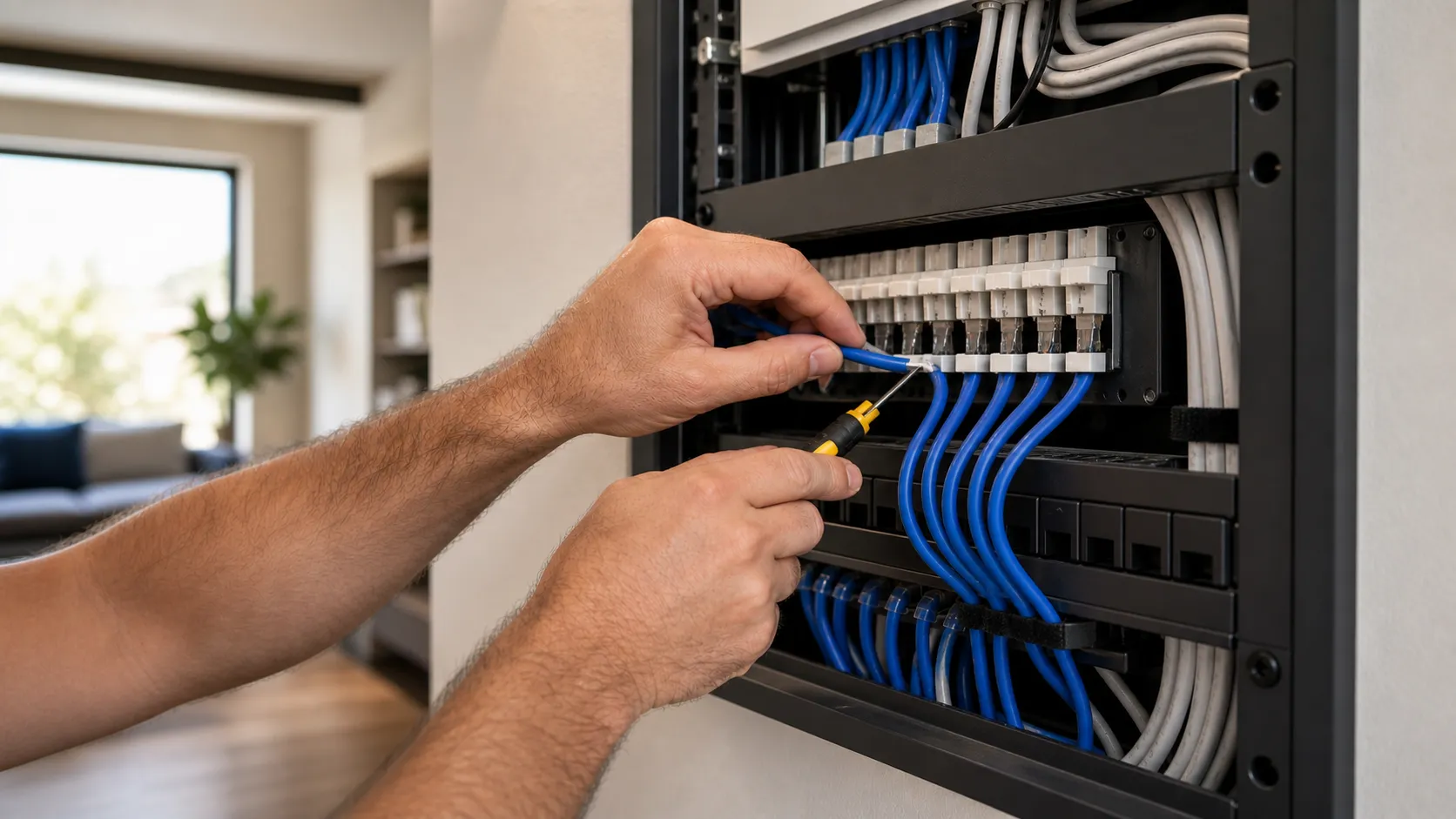
People land on smart innovation llc for three different reasons, and they rarely expect the other two. Some spotted the name as a device on their WiFi network. Some are vetting a real installation company. Some want to build an innovation-driven business under that legal shell. This guide covers all three honestly.
Business filings and public user forums show that the confusion around this name is predictable. The phrase reads like one famous brand, but it is really a common company name plus a business model plus, sometimes, a hostname your router displays. If you are mapping the wider landscape first, our business concepts hub sets the context.
Quick answer
Smart Innovation LLC is a common US company name used by small firms in smart-home, low voltage, and network installation, and sometimes marketing or website design. It can also appear as a device label on your WiFi network, meaning a gadget from a maker using that name joined your router. As a model, it pairs an LLC with a structured innovation process.
Disclaimer: This article is for general information only and isn’t legal, financial or tax advice. Laws vary by state and change; check the official source or talk to a qualified professional about your situation.
Key takeaways
- Many small US businesses register the Smart Innovation LLC name, so there is no single company.
- On a WiFi network it usually means a smart device from that maker connected to your router.
- As a service business it often means low voltage, cabling, and smart-home installation.
- As a legal model, the LLC is the shell and the innovation system is the real product.
- Identify the exact entity by location, service, and reviews before you trust or hire one.
Smart Innovation LLC as a company and service business
Search public registries and you will find many firms sharing this name across different states. Each is a separate legal entity tied to a specific location, owner, and service line. There is no national parent company, which is why the same phrase points to wildly different businesses.
A large share operate in the smart-home and low voltage industry. Typical work includes structured cabling, fiber optics runs, router and network setup, camera installation, and whole-home device integration. Their customers want one partner to design the infrastructure and handle the physical install, not a gadget shipped in a box.
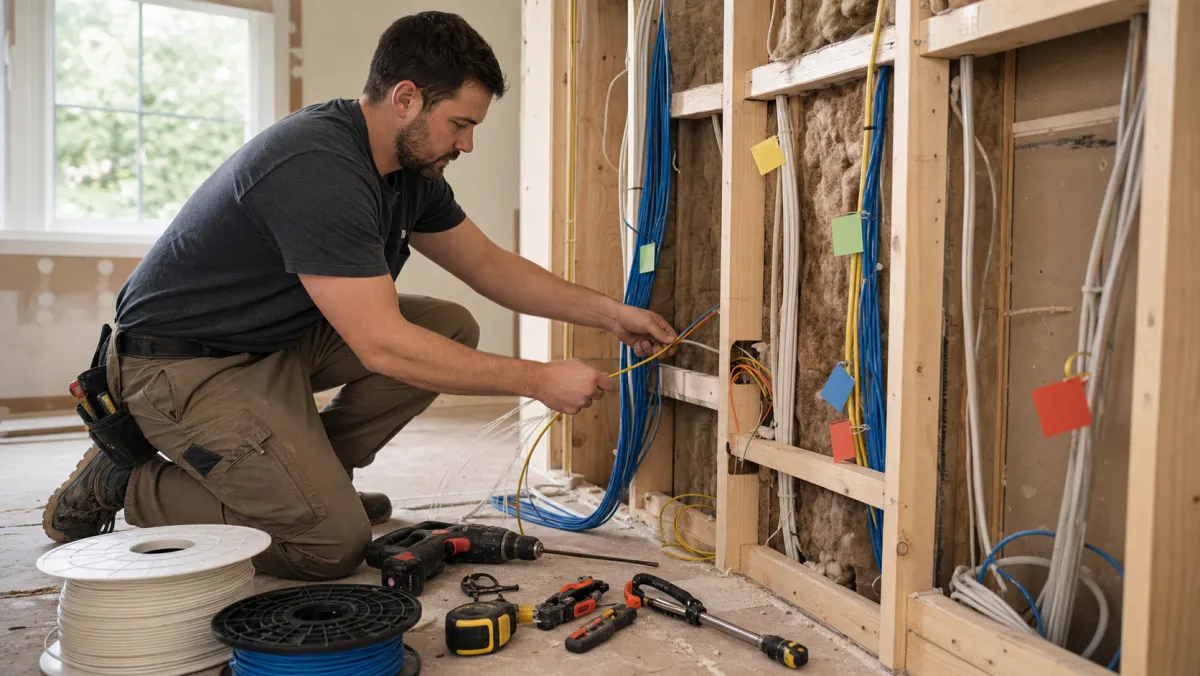
The cable work is the unglamorous core: pulling low voltage runs through walls, terminating jacks, and labeling every drop so the network stays serviceable. A clean install is the difference between a system that just works and one that needs a truck roll every month.
Others use the name for digital work: website design, social media management, internet advertising, and broader marketing strategy. Some run digital advertising campaigns for local trades. A few lean into construction-adjacent work, pairing electrical or plumbing crews with smart-device expertise. The industry label alone will not tell you which one you found.
Before you hire any Smart Innovation LLC, confirm three things: the exact registered location, the specific service they deliver, and independent review history. A local expert with real project photos and named clients gives you a very different customer experience than a shell with a template website and no track record.
| What you might mean | Likely reality | How to confirm |
|---|---|---|
| A device on my WiFi | Smart gadget or router client using that maker name | Check the MAC address and connected-device list |
| An install company | Local low voltage, cabling, or smart-home team | State registry, location, client reviews |
| A business model | LLC wrapped around an innovation process | Operating agreement and shipped products |
The name is not a brand you can trust on sight. Verify the location, the service, and the reviews before the handshake.
What Smart Innovation on my WiFi network means
If you saw the name in your router admin page, a device using that maker label connected to your network. It is usually harmless: a smart plug, camera, or IoT gadget whose manufacturer registered as Smart Innovation. The label is just the vendor name broadcast to your access point.
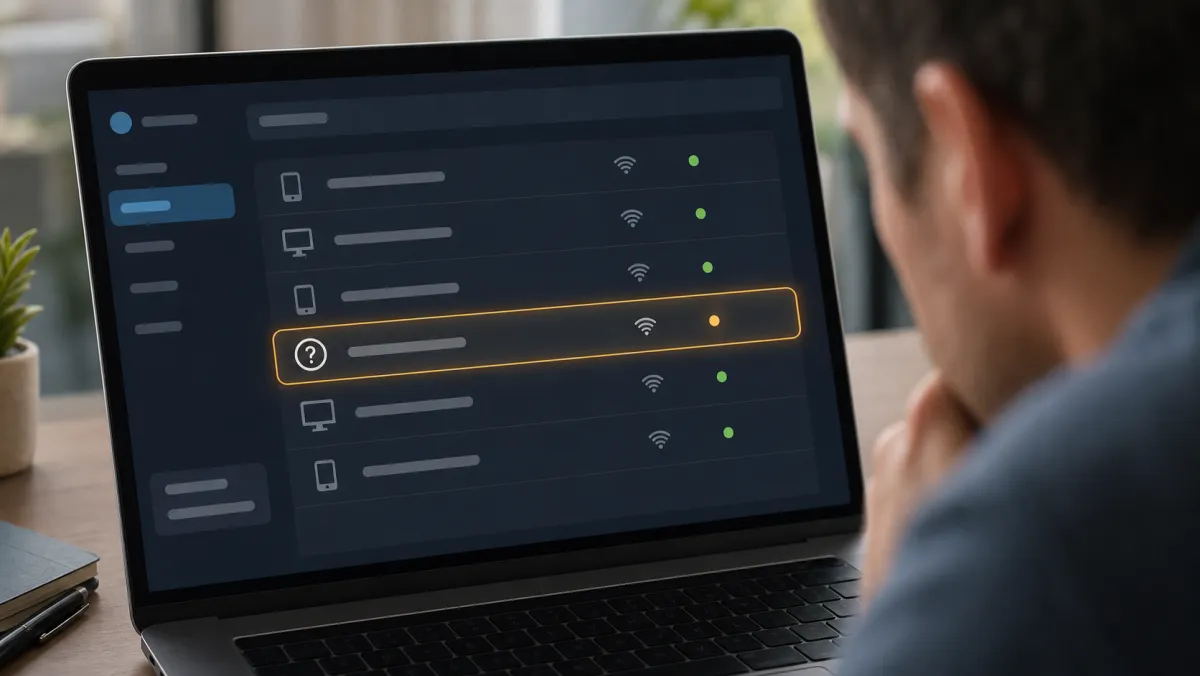
To identify it, open your router and read the connected-device list. Match the MAC address against your known gadgets, or run a scan with Nmap for a fuller picture of what has network access. Most of the time you will recognize a camera, doorbell, or plug you set up months ago.
If nothing matches, treat it as a security review. Change your WiFi password, remove the unknown device, and enable a guest network for future IoT gear. That keeps unfamiliar technology off the same segment as your laptops and phones.
Smart Innovation LLC as a business model
Beyond the gadgets and installers, the phrase describes a way to structure a company. The first part is the limited liability company, a US structure that separates personal assets from company debts. The second, smart, means a deliberate approach to innovation rather than a reactive one.
The combination matters. A plain LLC protects you legally but says nothing about how you create value. Adding an explicit method, how ideas enter, get tested, and get funded, turns a side project into a durable business with real growth.
Liability protection. If a prototype fails or a contract goes sideways, creditors generally reach the company, not your house. For a business built to try unproven things, that firewall is the point.
Pass-through taxation. Profits and losses flow to your personal return, so early R&D losses can offset other income. That softens the cost of inevitable dead ends.
Flexible ownership. You can add members, reward a key engineer, or spin a product into its own entity. Teams change shape often, and the LLC bends with them.
Building the operating system around it
File articles of organization, get an EIN, and open a dedicated bank account so personal and business money never mix. Then write an operating agreement that names who owns new IP, since undefined rights are the ugliest disputes waiting to happen.
Install a lightweight process: a simple intake doc plus a monthly review beats a heavy stage-gate system for small teams. Set a fixed failure budget too, because founders quietly stop innovating the moment cash gets tight, which is exactly when new ideas matter most.
Weigh the trade-offs before you commit. The structure rewards discipline and punishes drift, which is why understanding the benefits and risks of innovation upfront saves you from expensive surprises.
The same protective instinct applies inside your own venture. If you feel pushed toward busywork that leads nowhere, watch for the signs you are being set up to fail and adjust before it costs you.
When this model is the right fit
It shines for solo inventors, small product studios, consultancies productizing their methods, and spin-outs. If you want protection, tax simplicity, and a clear process without venture-scale overhead, it fits cleanly. It is weaker if you plan large institutional rounds, since most investors prefer a Delaware C-corp.
As markets shift, watch how forces like reintermediation reshape where small innovators win against incumbents.
And if you are still learning to present your work, even a clean self introduction habit teaches the same discipline: say what you do plainly before scaling it into a company story.
This content is provided for general informational purposes only and does not constitute legal advice, nor does reading it create an attorney-client relationship. Consult a licensed attorney in your jurisdiction before acting.
Related guides
Frequently asked questions
What does Smart Innovation LLC make?
It depends on the specific firm, since many small US companies share the name. Common lines include smart-home devices, low voltage and network installation, structured cabling, and digital marketing or website design services.
What is smart innovation on my WiFi?
It is usually a smart device from a maker using that name connected to your network. Check your router's connected-device list and match the MAC address to identify which gadget it is.
What is the history of Smart Innovation LLC?
There is no single origin story, because the name is registered independently by many small businesses across different states. Each has its own founding, location, and service focus.
How do I know which Smart Innovation LLC I found?
Confirm the exact location, the service it offers, and its review history in state business registries. A local firm with named clients and real project photos is very different from a shell with only a template website.