Business Concepts
What Is Overproduction? The #1 Waste in Lean (2026)
What is overproduction? It's making more goods, or making them too soon, than demand needs. See why lean calls it the worst waste, plus the causes and the fix.
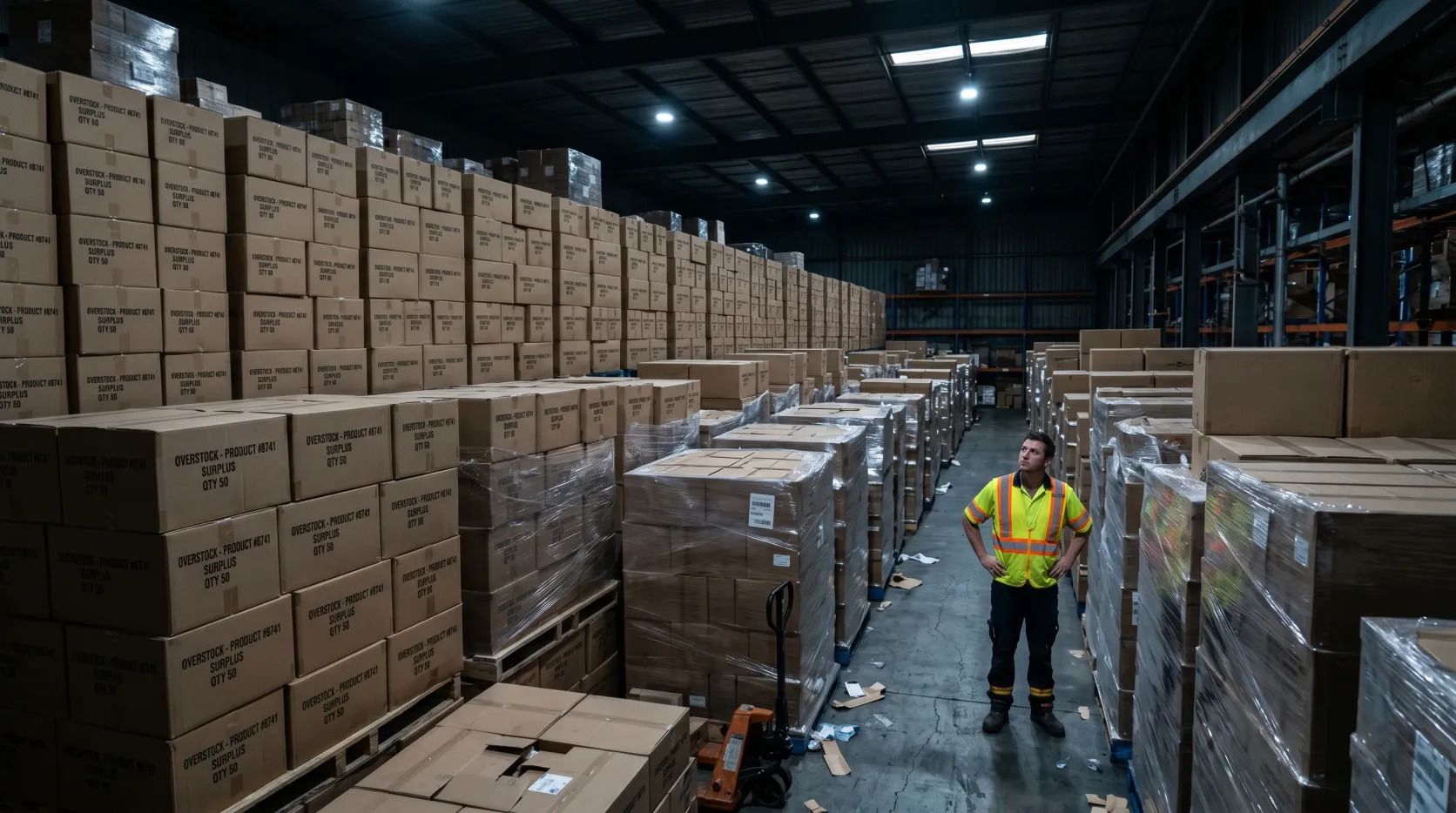
Overproduction is one of those problems that hides in plain sight. The warehouse looks busy, the machines never stop, and on paper everything seems productive. Then the unsold stock piles up and the cash quietly disappears.
Quick answer
What is overproduction? It is producing more goods, or producing them earlier, than customer demand actually requires. In lean manufacturing it is considered the worst of the seven wastes because it triggers every other form of waste: excess inventory, wasted motion, defects, and tied-up cash.
Key takeaways
- Overproduction means making too much, too soon, or faster than the next step can use it.
- Lean thinking ranks it the most dangerous waste because it conceals all the others.
- In economics, overproduction is a market-wide surplus where supply outpaces effective demand.
- The usual culprits are large batch sizes, faulty forecasts, and "just in case" thinking.
- The fix is pull-based production, smaller batches, and producing to real signals, not guesses.
What overproduction actually means
At its core, overproduction is a mismatch between output and demand. You build more units than customers want, or you build them well before anyone has asked for them. It is a foundational idea in our business concepts library.
The term shows up in two related worlds. On the factory floor it is a specific type of operational waste, one of the seven wastes of lean. In economics it describes a whole market drowning in unsold goods. Both share the same root: production disconnected from genuine demand.
The trap is that overproduction often feels like efficiency. A machine running at full capacity looks productive. But output that nobody buys is not value, it is cost wearing a costume.
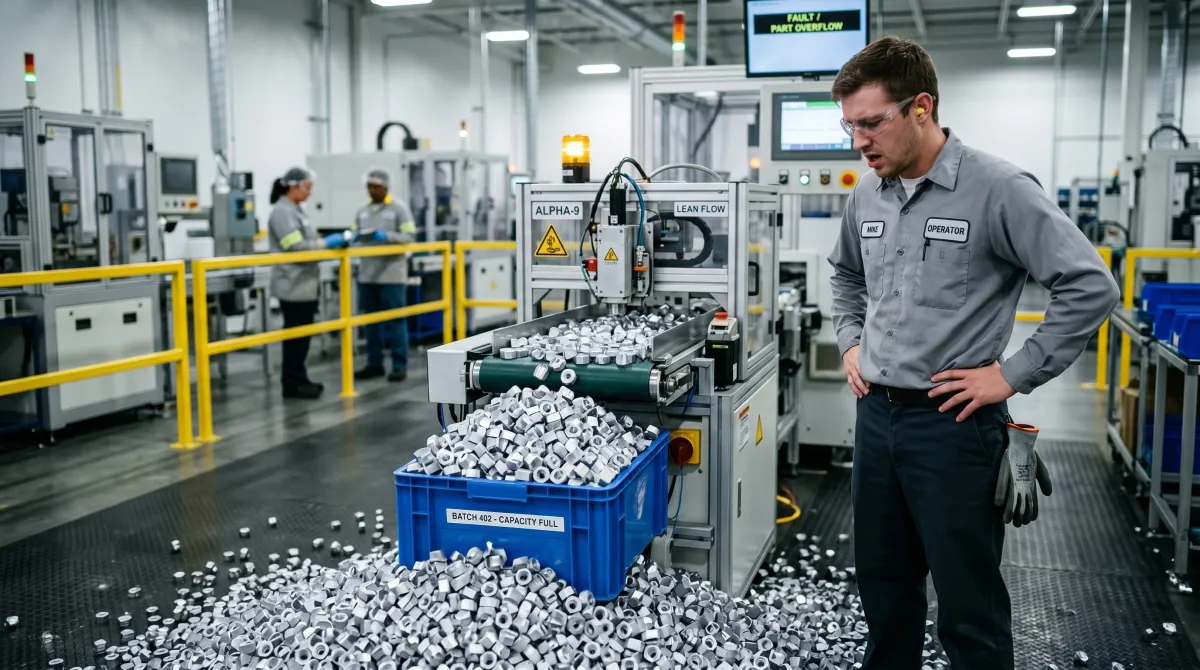
Overproduction in lean manufacturing: the worst of the seven wastes
In the Toyota Production System, waste is called muda. There are seven classic wastes, and overproduction sits at the top of the list for a reason.
Taiichi Ohno, the engineer behind the system, treated overproduction as the most serious because it generates the other six. Make too many parts and you instantly create excess inventory, extra transport, more handling, and a higher chance of defects sitting undetected.
Overproduction is the waste that hides every other waste, which is exactly why lean treats it as enemy number one.
Here is how it cascades through the other wastes:
| Lean waste | How overproduction triggers it |
|---|---|
| Inventory | Extra units have to be stored somewhere, tying up space and cash. |
| Waiting | Downstream steps stall while upstream floods them with parts. |
| Transport | Surplus stock gets moved, re-shelved, and shuffled around. |
| Motion | Workers handle and re-handle goods nobody ordered. |
| Defects | Faults hide inside large batches and surface late, in bulk. |
| Over-processing | Effort goes into finishing items demand never required. |
This is why lean practitioners obsess over it. Cut overproduction and the other wastes often shrink on their own, because you stop feeding them.
Overproduction in economics: when supply floods the market
Step back from the single factory and the same word describes a market condition. Economic overproduction happens when the total supply of a good exceeds the effective demand, the demand people can actually back with money.
When that surplus builds across an industry, prices fall, margins collapse, and producers cut output or jobs. Classic economists linked recurring gluts of this kind to the boom-and-bust cycle, sometimes called a crisis of overproduction.
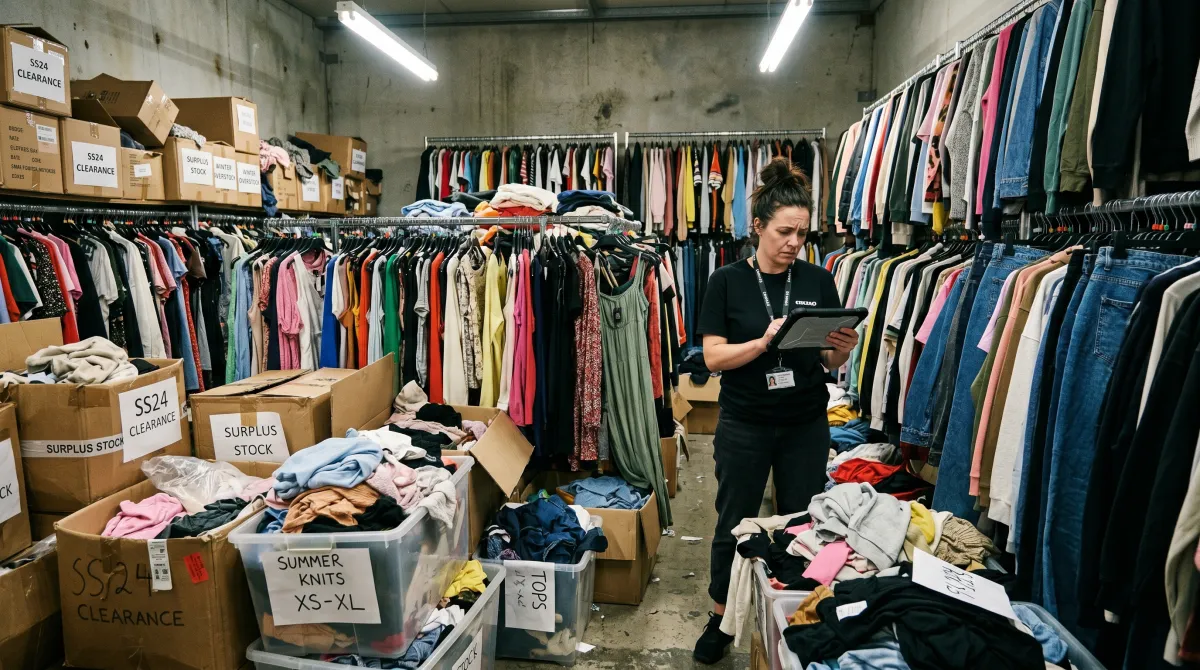
Modern examples are easy to spot: oil gluts that crater crude prices, fast-fashion retailers burning unsold inventory, or a chip surplus after a demand spike fades. The mechanism is the same as on the factory floor, just at national or global scale.
What causes overproduction
Overproduction is rarely one bad decision. It is usually a system quietly nudging people to make more than they should.
Large batch sizes
When changeovers are slow or expensive, teams run big batches to "save" on setup. The result is a wave of units produced long before they are needed.
Forecast errors and push planning
Plans built on optimistic forecasts push goods into the system regardless of real orders. When the forecast is wrong, the surplus is already made.
Just-in-case thinking
Fear of stockouts leads to padding. A little buffer feels safe, but stacked across every step it becomes a mountain of idle stock.
Misaligned incentives
If a line is judged on units produced or machine utilization, people will keep machines busy even when there is no demand. The metric rewards the very waste you want to kill.
Spotting these patterns is the first step. Many of them connect to wider planning blind spots, the same ones explored in our look at the benefits and risks of innovation when new products outpace real demand.
The hidden costs of overproduction
The obvious cost is wasted material. The expensive costs are the ones that do not show up neatly on a single line of the income statement.
- Tied-up cash: every unsold unit is money frozen as inventory instead of working in the business.
- Storage and handling: warehousing, insurance, and movement all scale with surplus stock.
- Obsolescence: goods can expire, spoil, or simply go out of style before they sell.
- Hidden defects: quality problems multiply across a large batch before anyone notices.
- Lost agility: a system clogged with old stock reacts slowly when demand actually shifts.
Overproduction also masks weak processes. A pile of buffer inventory lets a fragile production line look stable, so the real problems never get fixed. That same dynamic of dysfunction being papered over shows up in workplaces too, like the patterns in our guide on signs you are being set up to fail at work.
How to reduce overproduction
The cure is to reconnect production with real demand. Lean offers a tested toolkit, and most of it is about discipline rather than new technology.
Switch from push to pull
In a pull system, each step produces only when the next step signals a need. A kanban card or empty bin becomes the trigger, so nothing gets made on speculation.
Shrink batch sizes
Smaller batches mean you make closer to actual demand and catch defects faster. Reducing changeover time makes small batches affordable.
Level the workload
Smoothing production, known as heijunka, spreads output evenly instead of lurching between overtime and idle time. A steady pace is easier to match to demand.
Fix the metrics
Stop rewarding raw output and machine utilization. Measure flow, on-time delivery, and inventory turns so the incentives point toward making the right amount.
These shifts pay off well beyond the shop floor. The same demand-first logic strengthens digital supply chains, a theme we cover in our piece on reintermediation and how middle layers rebalance supply with real demand.
Overproduction vs overcapacity vs surplus
These terms get mixed up, so it helps to draw clean lines between them.
| Term | What it means |
|---|---|
| Overproduction | Actually making more than demand needs, right now. |
| Overcapacity | Having the ability to make more than demand needs, used or not. |
| Surplus | The leftover stock that results once supply exceeds demand. |
Put simply: overcapacity is potential, overproduction is the act, and surplus is the aftermath. You can have idle overcapacity without ever overproducing, which is often the safer position.
Related guides
Frequently asked questions
Is overproduction the worst type of waste?
Yes, in lean manufacturing overproduction is considered the worst of the seven wastes. It is ranked first because it directly creates the other six wastes, including excess inventory, waiting, transport, and hidden defects.
What is the difference between overproduction and overcapacity?
Overproduction is the act of making more than demand requires, while overcapacity is simply having the ability to make more than demand requires. You can hold spare capacity without ever overproducing.
What causes overproduction in a factory?
The most common causes are large batch sizes, inaccurate demand forecasts, push-based planning, and "just in case" buffer stock. Metrics that reward machine utilization over real demand also drive it.
How do you stop overproduction?
Move from push to pull production using signals like kanban, shrink batch sizes, level the workload with heijunka, and change metrics so teams are rewarded for matching demand rather than maximizing output.
What is overproduction in economics?
In economics, overproduction is a market-wide condition where total supply exceeds effective demand. It pushes prices down, squeezes margins, and can force producers to cut output or jobs.
Overproduction looks like progress and behaves like a leak. Once you learn to see it, as too much, too soon, or faster than demand can absorb, you can start plugging the hole and free up the cash, space, and focus it quietly steals.