Workplace & Career
What Does Workplace Health and Safety Mean to You?
What does workplace health and safety mean to you? It's preventing harm through shared responsibility, physical and mental. See how to live it daily.
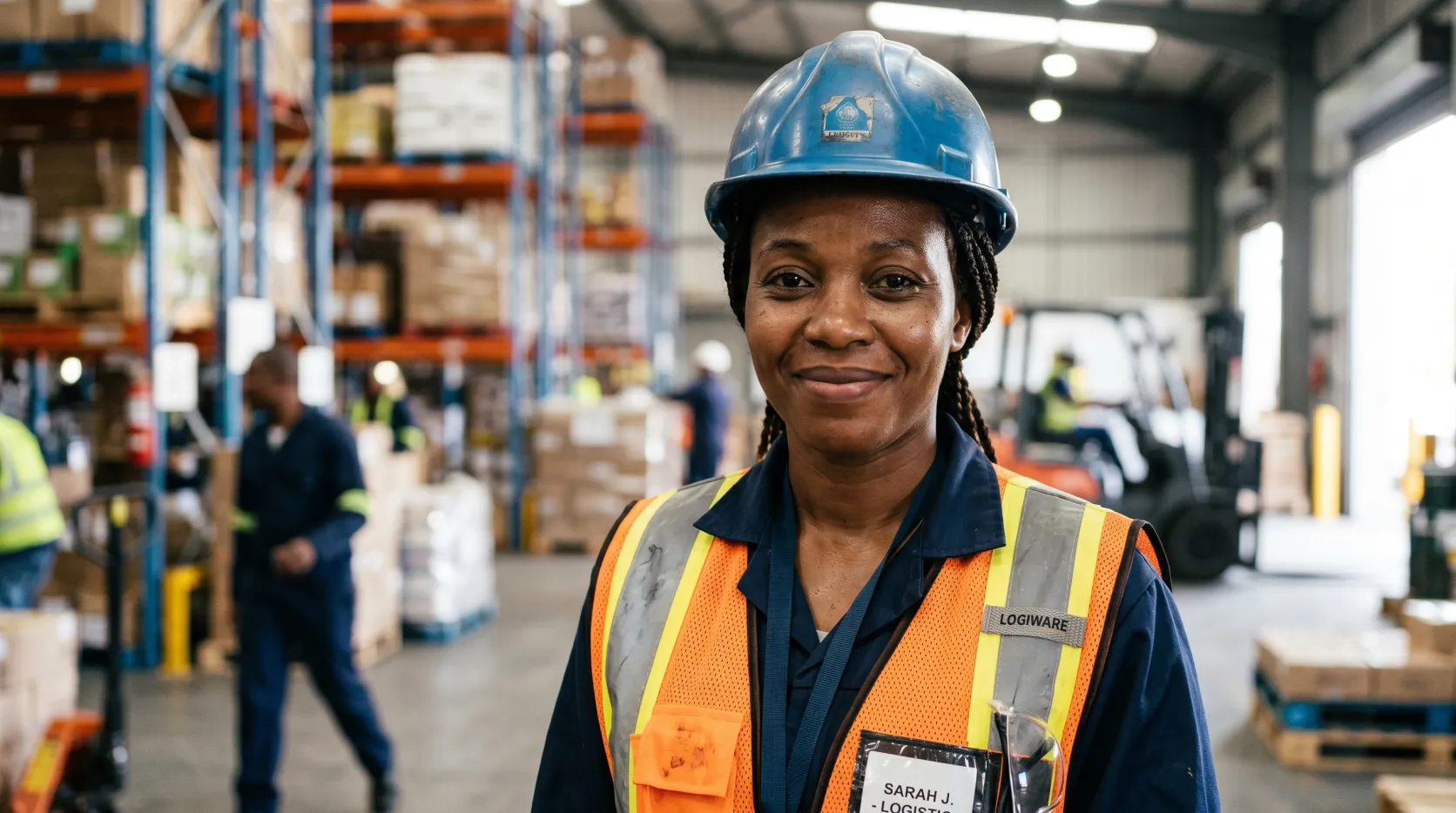
Ask ten people "what does workplace health and safety mean to you?" and you get ten different answers. A warehouse lead pictures forklifts and hi-vis vests. A remote designer thinks about wrist pain and screen breaks. Both are right.
Workplace health and safety means protecting the physical and mental wellbeing of everyone who works, whether they are on a factory floor or a kitchen table. It is part legal duty, part culture, part the small choices you make at 9am on a Tuesday.
Quick answer
Workplace health and safety means actively preventing harm, injury, and illness at work through shared responsibility. Employers control the systems and hazards. Employees follow procedures and speak up. Together they build a place where people go home in the same shape they arrived.
Key takeaways
- It covers physical safety, mental health, and long-term wellbeing, not just accidents.
- Legal duty sits mostly with the employer, but safety only works when everyone owns it.
- The hierarchy of controls is the practical method: eliminate the hazard before relying on protective gear.
- A strong safety culture shows up in daily habits, not posters on the wall.
- Speaking up about a near miss is one of the most valuable safety acts you can do.
What workplace health and safety actually means
At its core, workplace health and safety is the practice of identifying what could hurt people at work and doing something about it before it does. "Health" leans toward long-term wellbeing: stress, repetitive strain, noise, air quality. "Safety" leans toward immediate risk: slips, machinery, electrical faults.
The two overlap constantly. A poorly designed shift pattern is a health issue that becomes a safety issue the moment a tired driver gets behind the wheel. Treating them as one system is the whole point of how we cover workplace wellbeing and culture here.
It is also a recognised field with global standards behind it. Bodies like the occupational safety and health discipline exist precisely because the question deserves a structured answer, not guesswork.

Why the question matters more than it sounds
"What does workplace health and safety mean to you?" shows up in job interviews, onboarding forms, and team reviews for a reason. It tells an employer whether you see safety as paperwork or as part of doing the job well.
The honest answer most operators give: safety is not separate from the work, it is how the work gets done properly. A clean, organised station is faster. A rested team makes fewer mistakes. Good safety and good performance usually point in the same direction.
If you are preparing for that interview, frame your answer around responsibility and habit. You can pair it with how you describe your strengths in other questions, like explaining the capacity in which you know a candidate when giving a reference.
Who is responsible? (Hint: not just the boss)
Legally, the heaviest duty sits with the employer. They control the building, the equipment, the budget, and the training. They are required to assess risks and reduce them as far as is reasonably practical.
But responsibility does not stop at management. Employees have a duty to follow procedures, use equipment correctly, and report hazards they spot. Safety breaks down fast when people assume "someone else" will flag the problem.
Here is how the responsibilities typically split:
| Role | Main responsibilities |
|---|---|
| Employer | Risk assessments, safe equipment, training, reporting systems, a hazard-free environment |
| Manager / supervisor | Enforcing procedures, modelling safe behaviour, acting on reported issues |
| Employee | Following procedures, using PPE, reporting hazards and near misses, not endangering others |
| Health & safety rep | Raising concerns, supporting investigations, bridging staff and management |
Spotting whether your manager actually backs you on this is part of reading workplace dynamics. The same instinct helps you notice the signs your boss wants to promote you or the quieter signals that something is off.
Safety is not a rulebook you obey. It is a habit you practise until going home unharmed feels normal.
The practical method: the hierarchy of controls
When professionals reduce a risk, they do not jump straight to handing out gloves and goggles. They work through the hierarchy of hazard controls, a ranked list from most to least effective.
- Eliminate the hazard entirely if you can. No hazard, no risk.
- Substitute it for something safer, like a less toxic cleaning agent.
- Engineer controls, such as guards, ventilation, or barriers.
- Administrative controls: training, signage, rotating tasks, clear procedures.
- PPE last, the gloves and helmets that protect the individual when nothing else can.
The lesson for everyday work is simple. Protective gear is the final layer, not the first. If your default fix is always "wear a mask," you are starting at the bottom of the list.

Mental health is workplace safety too
For a long time, safety meant hard hats and fire exits. That definition is too narrow now. Chronic stress, burnout, harassment, and bullying are recognised workplace hazards with real health consequences.
A psychologically safe team is one where people can raise a problem, admit a mistake, or ask for help without fear. That openness is exactly what catches physical hazards early too.
Toxic dynamics undermine that safety. If you are navigating tension with colleagues, recognising the signs of jealous coworkers early helps you protect both your wellbeing and your work.
What good safety looks like day to day
Strong safety culture is boring in the best way. It shows up as small, repeated actions rather than dramatic interventions.
You see it when someone clears a spill instead of stepping around it. When a near miss gets reported even though nobody got hurt. When a new hire is shown the fire exits before the coffee machine.
If your environment ignores all of that and feels unsafe or careless, it is worth taking seriously. Some readers reach a point where they wonder whether to stay after a write-up or a deeper conflict, and an unsafe culture is a legitimate part of that decision.
How to answer "what does workplace health and safety mean to you?"
If you are facing this in an interview or review, skip the textbook recital. Give an answer that shows ownership.
A strong response covers three things: it protects people's physical and mental wellbeing, it is a shared responsibility you take personally, and it makes the work better, not slower. Add a concrete example, like a time you flagged a hazard, and you stand out.
That blend of personal accountability and practical detail is what separates a memorable answer from a generic one.
Related guides
Frequently asked questions
What does workplace health and safety mean in simple terms?
It means preventing harm, injury, and illness at work by managing hazards before they cause damage. In simple terms, it is everything an employer and employees do to make sure people go home healthy and unhurt every day.
Who is responsible for health and safety at work?
The employer carries the main legal duty, including risk assessments, safe equipment, and training. Employees are responsible for following procedures, using protective gear, and reporting hazards. Safety works best when responsibility is genuinely shared.
Why is workplace health and safety important?
It protects people from injury and illness, reduces stress and absence, and lowers legal and financial risk for the business. It also improves performance, because a safe, well-organised workplace usually runs more smoothly than a chaotic one.
Does workplace safety include mental health?
Yes. Modern health and safety covers psychological wellbeing alongside physical risk. Stress, burnout, bullying, and harassment are treated as workplace hazards because they cause real harm and lead to mistakes and injuries.
What is the hierarchy of controls?
It is a ranked method for reducing risk: eliminate the hazard, substitute it, engineer controls, apply administrative measures, then use personal protective equipment as the last line. Higher options are more effective because they remove the hazard rather than just shielding the person.