Business Concepts
Influence of Martin Luther King Jr: Legacy & Impact
The influence of Martin Luther King Jr ended legal segregation and reshaped leadership worldwide. See how his nonviolent strategy still guides change today.
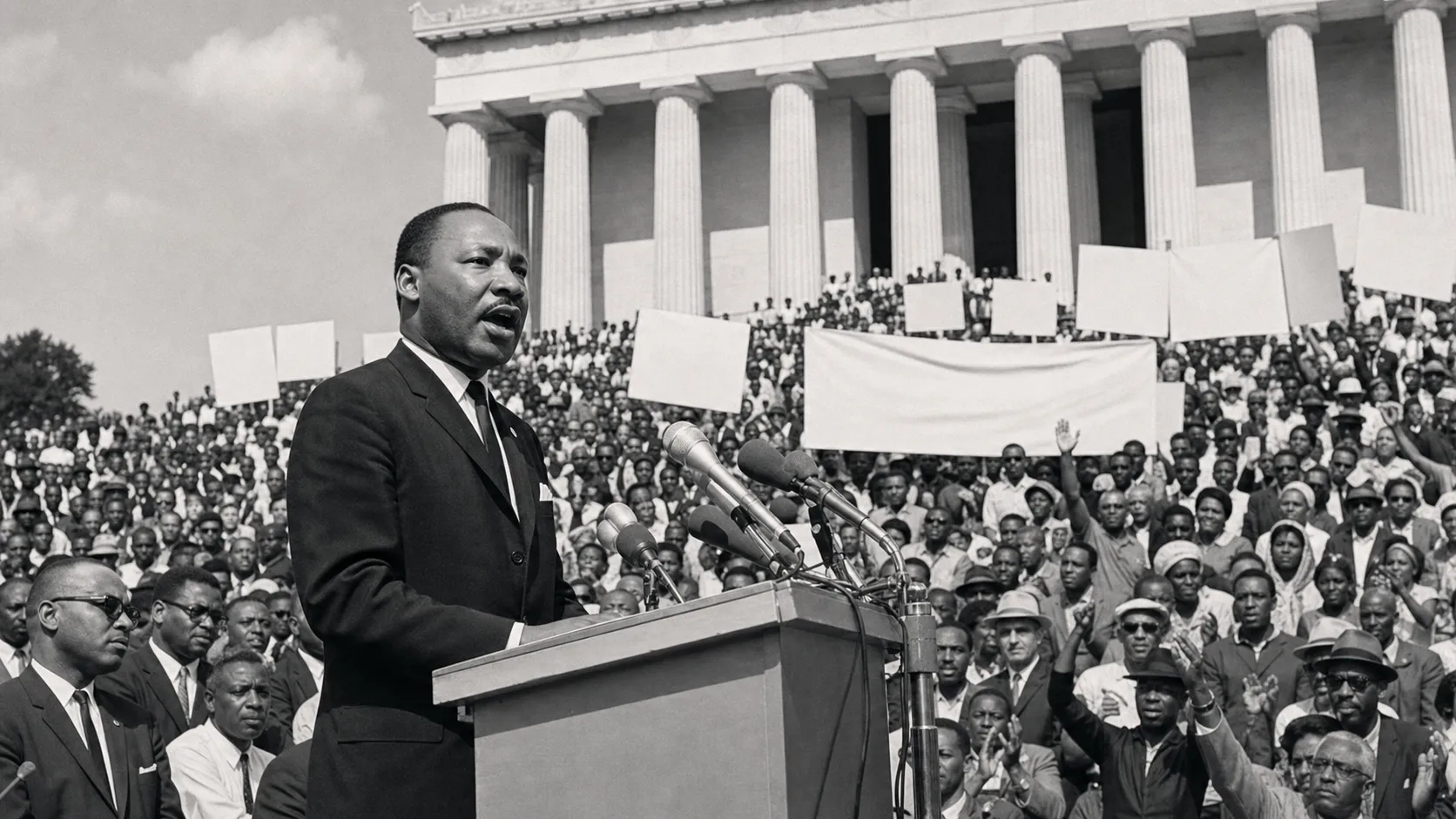
The influence of Martin Luther King Jr reaches far beyond the marches and speeches most people remember. He turned a moral argument into a working strategy, one that toppled legal segregation in the United States and gave organizers everywhere a playbook for nonviolent change.
Understanding that influence matters because his methods still shape how movements, leaders, and even businesses think about persuasion, coalition-building, and standing firm under pressure.
Quick answer
Martin Luther King Jr influenced history by leading the American civil rights movement with disciplined nonviolence, helping secure the Civil Rights Act of 1964 and the Voting Rights Act of 1965. His ideas spread globally and still guide modern protest, ethical leadership, and social justice work.
Key takeaways
- King made nonviolent resistance a practical, repeatable strategy, not just a moral ideal.
- His leadership helped pass landmark U.S. laws ending legal segregation and protecting voting rights.
- He won the 1964 Nobel Peace Prize, the youngest male laureate at the time.
- His influence reached anti-apartheid South Africa and movements far beyond U.S. borders.
- His framework on leadership, courage, and moral clarity still informs how people lead today.
Who Martin Luther King Jr was and why he mattered
Martin Luther King Jr was a Baptist minister and activist born in Atlanta in 1929. He rose to national attention during the 1955 Montgomery bus boycott, sparked after Rosa Parks refused to give up her seat.
That boycott lasted over a year and ended when the U.S. Supreme Court ruled bus segregation unconstitutional. It proved a simple, dangerous idea: ordinary people, organized and disciplined, could break an unjust system.
King helped found the Southern Christian Leadership Conference in 1957, giving the movement structure, funding, and a clear voice. That organizing instinct sits alongside many core business concepts leaders still rely on: define the goal, build a coalition, and apply steady pressure.
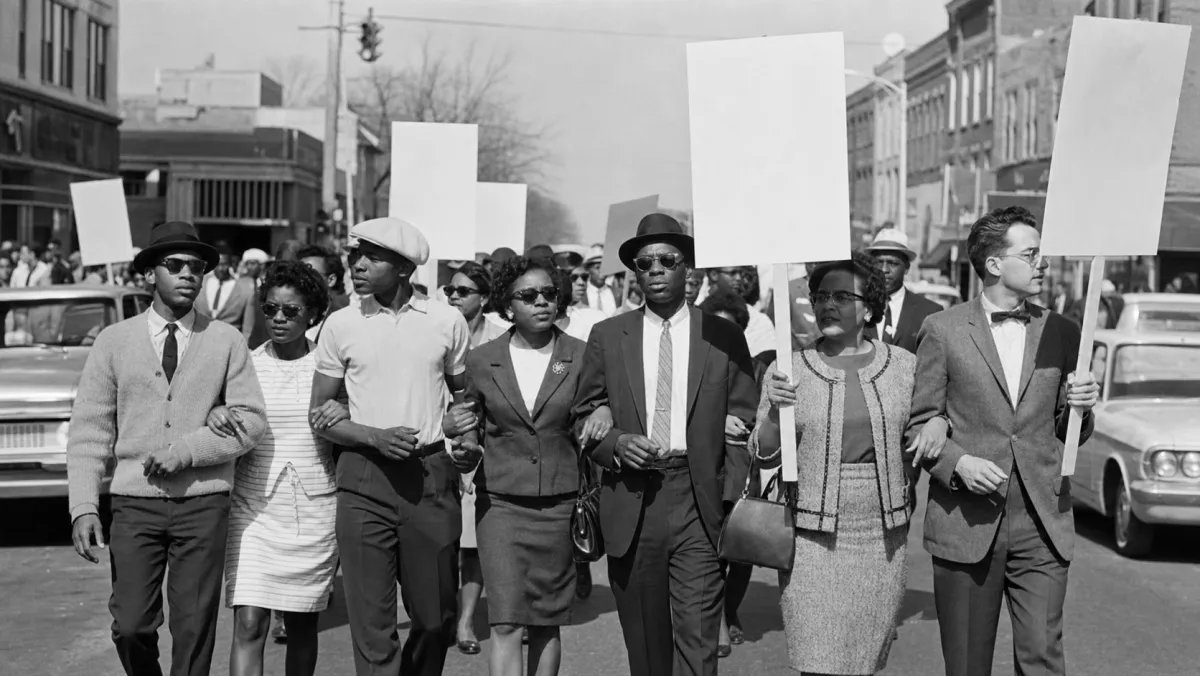
The strategy: nonviolent resistance as a tool
King's deepest influence is methodological. He studied nonviolence as taught by figures like Mohandas Gandhi and built it into a teachable system, not a vague hope.
He trained activists to absorb hostility without retaliating, exposing the cruelty of segregation to a watching nation. The contrast did the persuading.
This was strategic, not passive. King chose targets, timing, and imagery deliberately. The Birmingham campaign of 1963 forced confrontation precisely because he knew the world would see police dogs and fire hoses turned on peaceful demonstrators.
King's genius was turning moral conviction into a repeatable strategy that ordinary people could actually run.
The 1963 March on Washington and the "I Have a Dream" speech
In August 1963, King delivered his most famous address at the March on Washington for Jobs and Freedom. More than 250,000 people gathered at the Lincoln Memorial.
The "I Have a Dream" speech reframed civil rights as a fulfillment of America's founding promises, not a rejection of them. That framing made the cause harder to dismiss and easier to join.
The march helped build pressure that pushed major legislation forward. It remains a model for how a single event can shift public opinion at scale.
Legislative impact: turning protest into law
King understood that marches alone were not the goal. Lasting change had to be written into law, and his work helped deliver two of the most important statutes in American history.
| Law | Year | What it changed |
|---|---|---|
| Civil Rights Act | 1964 | Outlawed discrimination based on race, color, religion, sex, or national origin in public places and employment. |
| Voting Rights Act | 1965 | Banned discriminatory voting practices used to disenfranchise Black Americans, especially in the South. |
| Fair Housing Act | 1968 | Prohibited discrimination in housing sales, rentals, and financing. |
The 1965 Selma to Montgomery marches, and the violence of "Bloody Sunday," were instrumental in pushing the Voting Rights Act through Congress.

Global influence beyond the United States
King's reach never stopped at the U.S. border. His winning the Nobel Peace Prize in 1964 put nonviolent struggle on the world stage.
Anti-apartheid leaders in South Africa drew on his example. So did democracy and labor movements across Eastern Europe, Asia, and Latin America in the decades that followed.
His blend of moral clarity and tactical discipline became a shared language for activists who had no army and no power except their numbers and their nerve.
That global spread also worked because King removed the middlemen of change. Instead of waiting on distant elites to grant rights, he handed tactics straight to local communities, a kind of social reintermediation where new, trusted organizers replaced the old gatekeepers.
Influence on leadership and how people work today
King's legacy is not only political. His example reshaped how many people think about ethical leadership, courage, and standing up for what is right inside organizations.
He modeled how to lead under pressure: stay calm, name the problem plainly, and refuse to be provoked into losing the moral high ground. Those are skills leaders still need.
His emphasis on dignity and fairness also informs modern conversations about workplace culture. Spotting unfair treatment early matters, which is why so many people study the signs you are being set up to fail at work before it derails a career.
King reminds leaders that real change often means challenging comfortable systems, the same instinct behind weighing the benefits and risks of innovation instead of defending the status quo.
He also showed that influence starts with how clearly you present yourself and your cause. That same skill of framing who you are and what you stand for is why even a simple self-introduction can open or close doors before a single argument is made.
The assassination and the making of a national legacy
King was assassinated in Memphis on April 4, 1968, where he had traveled to support striking sanitation workers. He was 39 years old.
His death triggered grief and unrest across the country, but it also cemented his place in history. In 1983, the United States established Martin Luther King Jr Day, a federal holiday observed each January.
He was posthumously awarded the Presidential Medal of Freedom in 1977 and the Congressional Gold Medal in 2004, lasting markers of national gratitude.
Why his influence still grows
Each new generation rediscovers King because his core problem, how to confront injustice without becoming what you oppose, never goes away.
His writing, especially the "Letter from Birmingham Jail," is taught worldwide as a defense of moral action over comfortable silence. Few documents have aged so well.
That is the deepest measure of influence: not just what he changed in his lifetime, but the framework he left for everyone who came after.
Frequently asked questions
What was Martin Luther King Jr's biggest influence?
His biggest influence was making nonviolent resistance a practical strategy that helped end legal segregation in the United States and pass the Civil Rights Act of 1964 and Voting Rights Act of 1965.
How did Martin Luther King Jr influence the world?
He influenced the world by proving nonviolent protest could defeat powerful, unjust systems. His example inspired anti-apartheid, democracy, and human rights movements across South Africa, Europe, Asia, and Latin America.
What awards did Martin Luther King Jr receive?
King received the 1964 Nobel Peace Prize, the Presidential Medal of Freedom in 1977, and the Congressional Gold Medal in 2004. The U.S. also created a federal holiday in his honor in 1983.
Why is Martin Luther King Jr still relevant today?
He remains relevant because his ideas on justice, ethical leadership, and disciplined nonviolence still guide modern protest, leadership, and conversations about fairness in society and the workplace.