Business Concepts
GWP Meaning in Retail: How Gift With Purchase Works
GWP meaning and its significance in the retail sector explained: how gift with purchase lifts order value, protects price, and clears stock. See when it works.
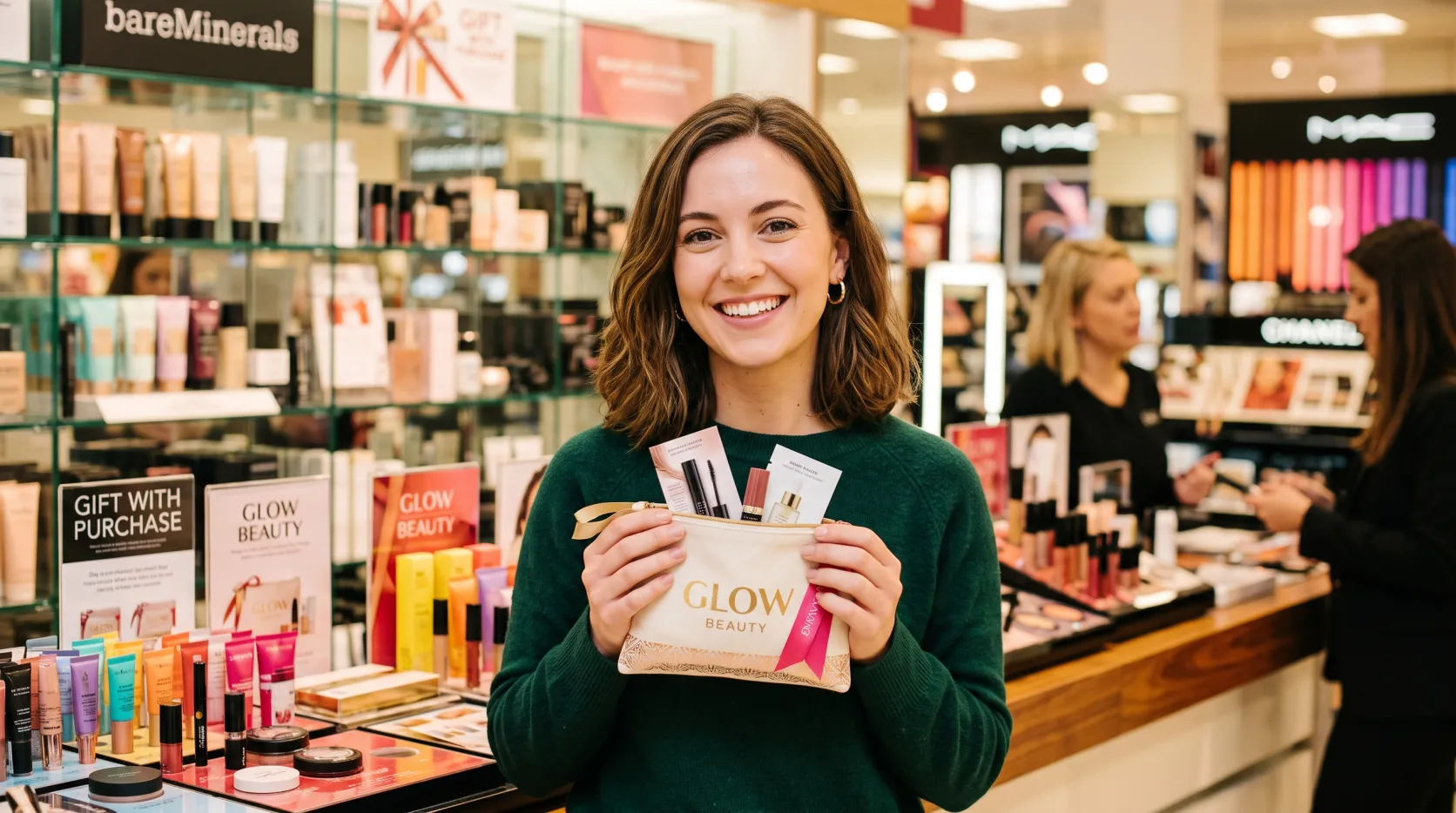
If you have ever bought a lipstick and walked out with a free cosmetics pouch, you already understand GWP meaning and its significance in the retail sector. GWP stands for Gift With Purchase, one of the oldest and most durable promotions in retail, and one of the few that lifts sales without ever cutting the price.
Quick answer
GWP means Gift With Purchase: a free item handed to a shopper when they spend over a set threshold or buy a qualifying product. Retailers use it to raise average order value, clear inventory, and pull people toward a higher-margin range, without slashing the headline price.
Key takeaways
- GWP = Gift With Purchase, a free add-on tied to a spend or product condition.
- It protects price perception better than a discount, because the listed price never drops.
- It lifts average order value and shifts slow stock when the gift is chosen well.
- Estee Lauder popularised the tactic in beauty, and it now runs across fashion, grocery, and electronics.
- The math only works when gift cost stays well under the extra margin it unlocks.
What GWP means in the retail sector
GWP is a sales promotion where the customer receives a complimentary product after meeting a buying condition. That condition is usually a minimum spend, a specific item, or a bundle of categories.
The key difference from a discount is psychological. A discount tells the shopper the product was worth less than they thought. A gift tells them they got more than they paid for. The gift with purchase model keeps the perceived value of the core product intact.
That distinction matters for any brand worried about training customers to wait for markdowns. GWP rewards the purchase without eroding the price ladder, which is why it sits among the most quietly profitable tactics in the retail playbook of everyday business concepts.
Why retailers rely on gift with purchase
The significance of GWP in retail comes down to behaviour. A well-placed gift nudges shoppers past a spend threshold they would not have crossed on their own.
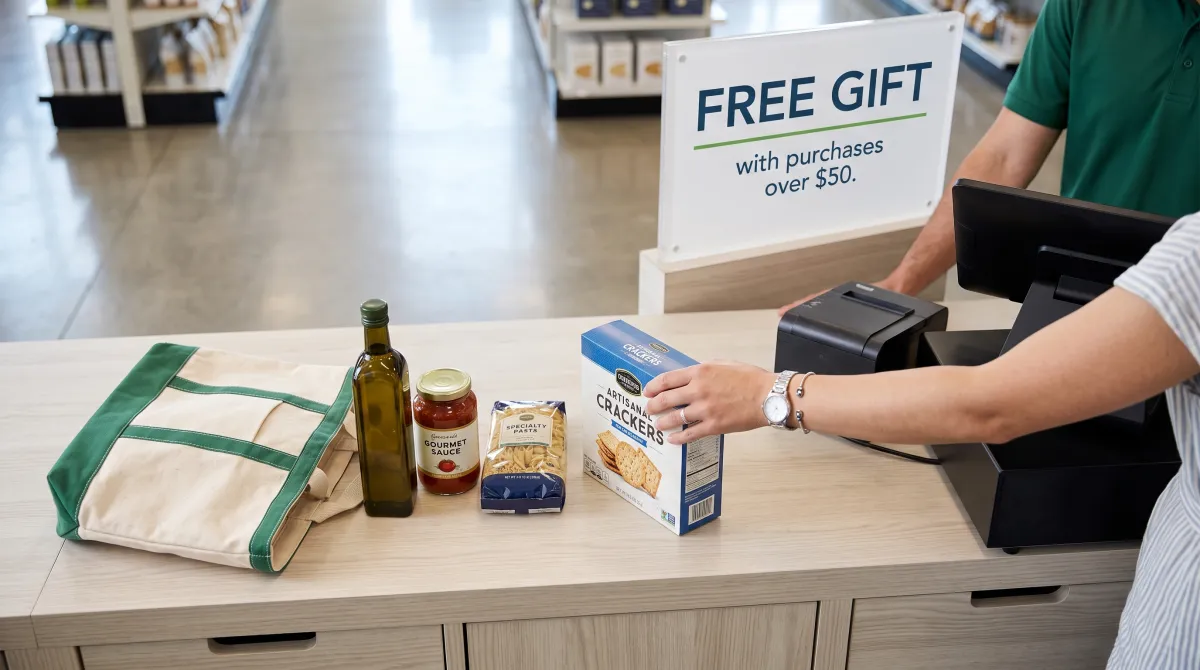
Say the free gift unlocks at $50 and the average basket sits at $42. Many customers will add a $12 item to qualify. The store captures extra margin, and the gift feels earned rather than given away.
That single nudge is worth more than it looks. Lifting an average basket by even 15 percent across a season compounds into real revenue, and it does so without a price war or a margin-killing sitewide sale.
There are four reasons the tactic keeps earning its place in the promotions calendar.
- Higher average order value: thresholds push baskets up without a sitewide sale.
- Inventory clearance: overstocked or short-dated items become gifts instead of dead stock.
- Trial and upsell: a sample-sized gift introduces a product the shopper later buys at full price.
- Price protection: the brand never publishes a lower number, so the next full-price sale is easier.
There is a fifth, softer benefit too: goodwill. A shopper who feels rewarded talks about it, posts the unboxing, and comes back. That loyalty rarely shows up in a single transaction report, but it shapes repeat purchase rates over a year.
A gift with purchase sells the feeling of generosity while the price tag never blinks.
How a GWP promotion actually works
Every GWP runs on three levers: the trigger, the gift, and the limit. Get the balance right and it prints margin. Get it wrong and you are just giving product away.
The trigger is the condition. It can be a spend level, a hero product, or a category. The tighter the trigger, the more it steers behaviour toward the goal you actually care about.
The gift is the reward. It should feel desirable yet cost far less than the margin it unlocks. Beauty brands nail this because a deluxe sample costs cents but reads as a luxury treat.
The limit is the guardrail. A cap on units, a deadline, or a per-customer rule stops the offer from cannibalising full-price sales.
| Lever | What it controls | Common mistake |
|---|---|---|
| Trigger | Who qualifies and how much they spend | Threshold set below the current basket value |
| Gift | Perceived value vs real cost | Gift too generous, so margin disappears |
| Limit | Scarcity and budget control | No cap, so the offer runs past its budget |
The order in which you set these levers matters. Start with the margin you can afford to spend, work back to the gift cost, then set the trigger just above your current average basket. Setting the trigger first is the classic rookie error, because it leaves the budget exposed.
Where GWP shows up across retail
Beauty owns the format. Estee Lauder turned the free gift counter event into a cornerstone of cosmetics marketing decades ago, and it still anchors seasonal campaigns today.
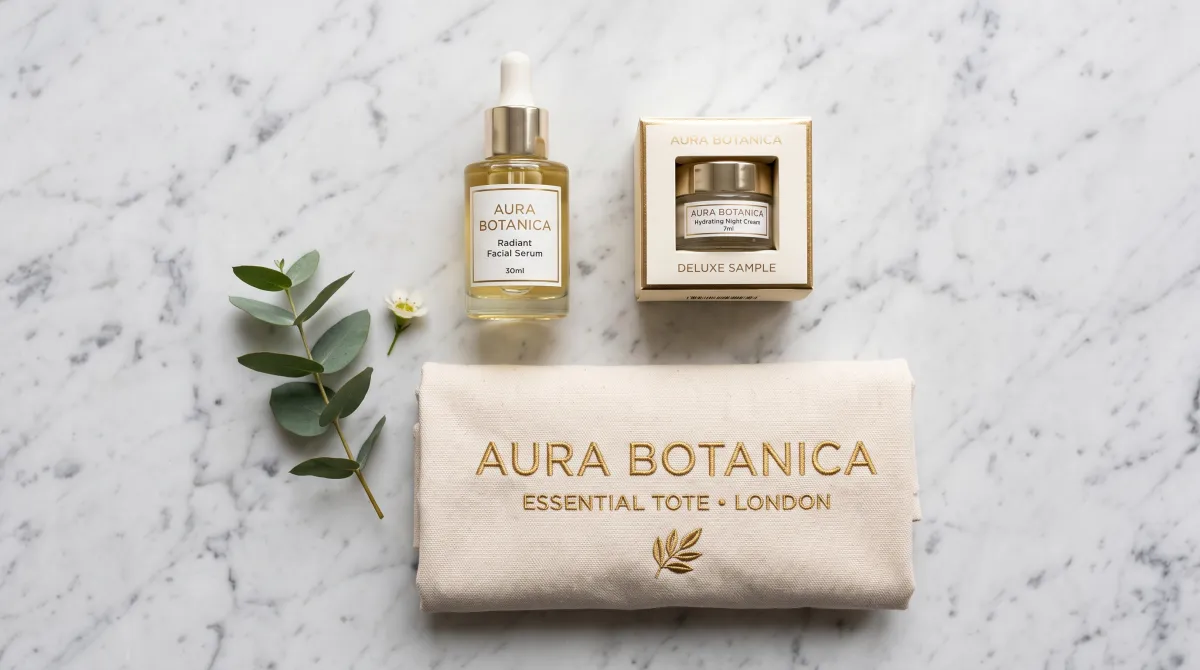
Fashion uses it with branded tote bags and accessories tied to a spend level. Grocery runs it through loyalty apps, where a free product unlocks after a qualifying shop. Electronics bundle accessories, like a free case or earbuds with a phone.
The thread across all of them is the same: a low-cost extra that makes a full-price purchase feel like a win. Choosing the right gift is a strategic call, much like weighing the benefits and risks of innovation before launching anything new.
When GWP works, and when it fails
GWP works when the gift is relevant, the trigger lifts real baskets, and the cost stays small. A skincare brand gifting a travel-size serum to anyone spending $60 is using the tactic well.
It fails when the gift becomes the reason people buy. If shoppers grab the cheapest qualifying item just to claim the gift, you have funded a giveaway and trained bargain behaviour.
It also fails when the gift is junk. A low-quality freebie damages the brand more than no gift at all, because it signals the company values its own offcuts over the customer.
A second failure mode is timing. Run a GWP too often and it stops being a treat and starts being an expectation. Shoppers learn the rhythm and simply pause until the next gift event, which is the opposite of what the tactic is meant to do.
Watch for the slow drift where staff over-promise gifts to hit targets. That kind of pressure mirrors the signs you are being set up to fail at work, where the metric quietly overrides the mission.
GWP versus other retail promotions
GWP is one tool among several, and the right pick depends on your goal. A percentage discount drives volume fast but trains customers to wait. Buy-one-get-one moves units but halves per-unit margin.
GWP sits in the sweet spot when you want to protect price while still rewarding the shopper. It also pairs well with newer commerce models. The rise of direct channels and the trend toward reintermediation has given brands tighter control over which gift reaches which customer.
The practical takeaway: use a discount when you need cash flow now, use BOGO to clear paired stock, and reach for GWP when long-term price integrity matters more than a one-day spike.
Frequently asked questions
What does GWP stand for in retail?
GWP stands for Gift With Purchase. It is a promotion where a shopper receives a free item after meeting a spend threshold or buying a qualifying product.
Why do retailers use gift with purchase instead of discounts?
Retailers use GWP because it rewards the buyer without lowering the listed price. A discount erodes price perception, while a gift adds perceived value and protects future full-price sales.
Is a GWP promotion profitable?
It is profitable when the gift costs far less than the extra margin it unlocks and the spend trigger pushes baskets higher. It loses money when the gift is too generous or has no unit cap.
Which industry is most associated with GWP?
Beauty and cosmetics are the most associated with GWP, a tactic popularised by Estee Lauder. Fashion, grocery, and electronics also use it widely today.
How is GWP different from a free sample?
A free sample is given to anyone to drive trial. A GWP is conditional, handed over only after a qualifying purchase, so it rewards spending rather than simply seeding awareness.