Business Concepts
First Black Coach Buck: The Buck O'Neil Story
First black coach Buck means Buck O'Neil, who broke MLB's coaching barrier with the Cubs in 1962. See his Negro Leagues rise and 2022 Hall of Fame honor.
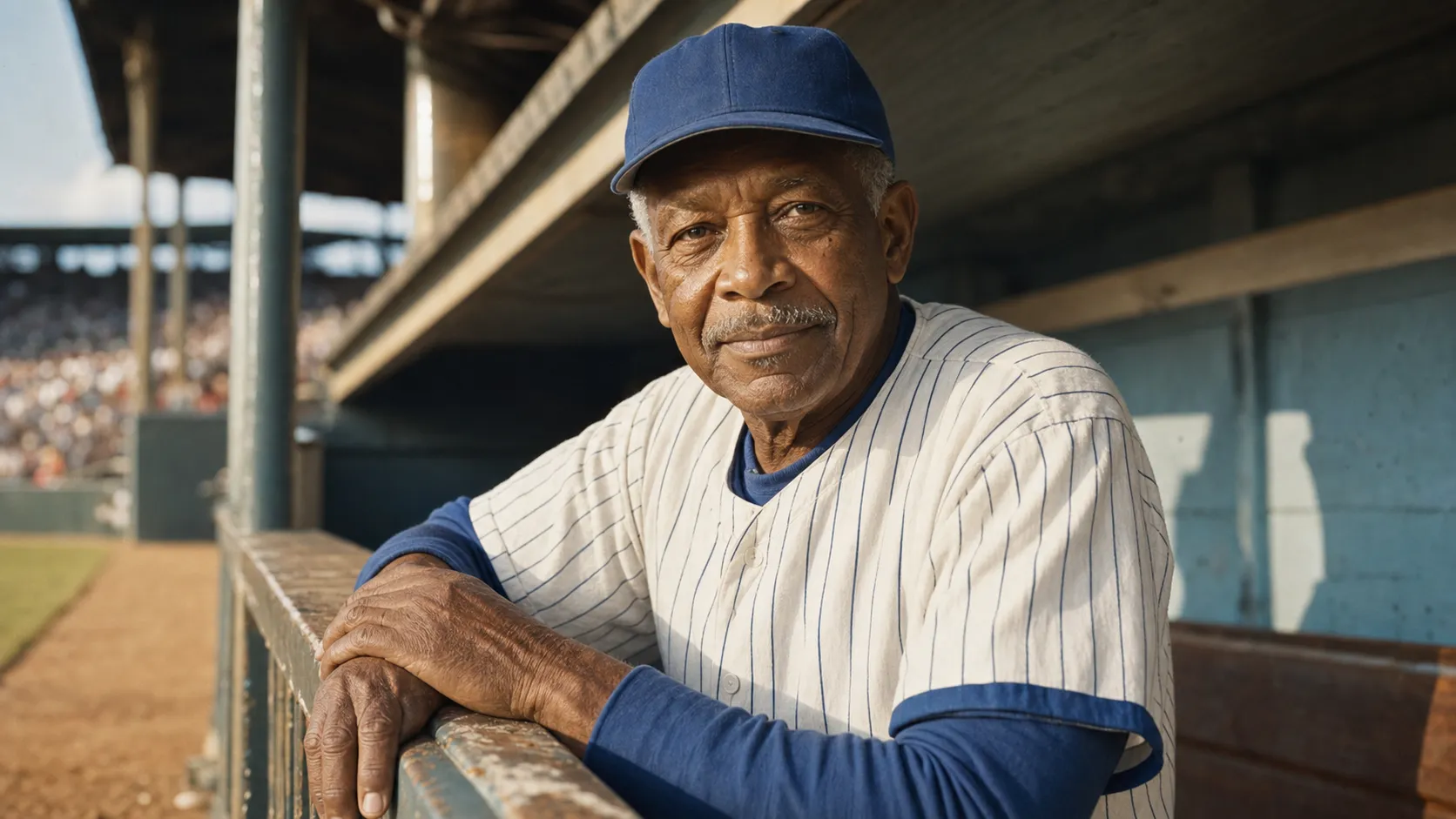
The phrase first black coach Buck points to one man: John Jordan "Buck" O'Neil. In 1962, the Chicago Cubs hired him as the first Black coach in Major League Baseball history. It was a quiet milestone with loud consequences.
Quick answer
The first Black coach known as Buck was Buck O'Neil, hired by the Chicago Cubs in 1962. He became the first African American coach in Major League Baseball, after a standout career as a player and manager in the Negro Leagues.
Key takeaways
- Buck O'Neil broke the MLB coaching color line with the Cubs in 1962.
- He built his reputation managing the Kansas City Monarchs in the Negro Leagues.
- He later scouted future Hall of Famers and championed the game for decades.
- His story is a masterclass in leading under unfair conditions.
- He was elected to the Baseball Hall of Fame in 2022, long overdue.
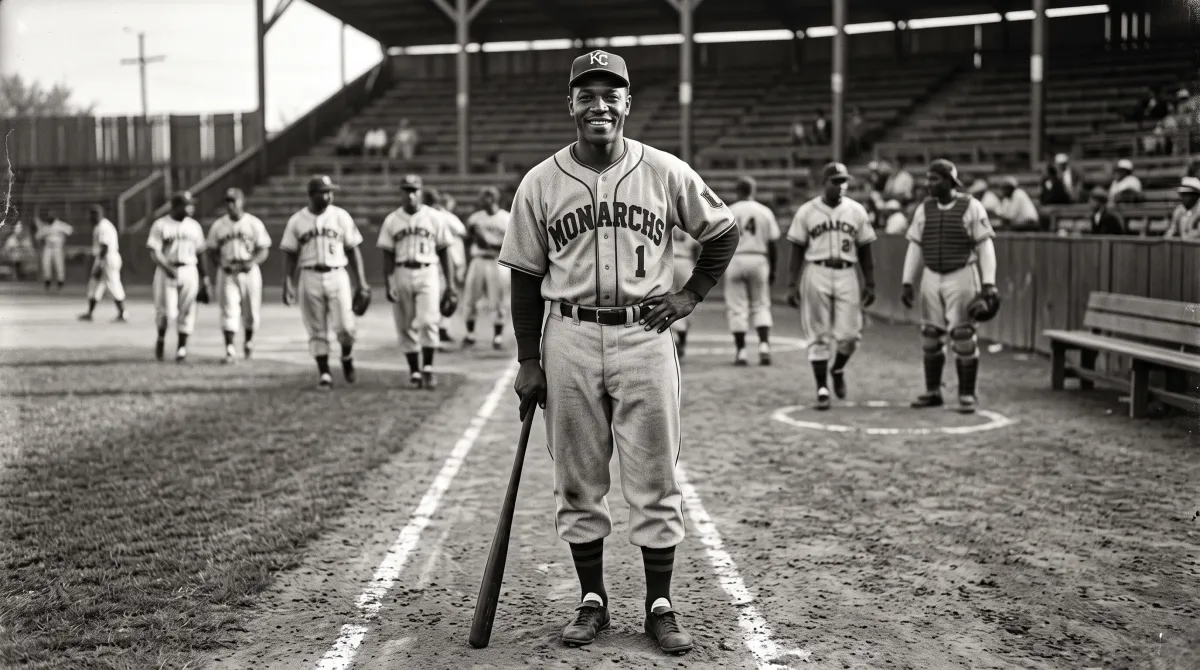
Who was Buck O'Neil before the milestone
Buck O'Neil was a first baseman and manager who spent his prime years in the Negro Leagues. He could not play in the majors during his best seasons because of segregation. That single fact shaped everything that came after.
Born in Carrabelle, Florida, in 1911, he learned the game in a country that refused to let him compete on its biggest stage. He sharpened his craft in barnstorming circuits and semipro clubs before reaching the top tier of Black baseball.
He starred for the Kansas City Monarchs, one of the most respected franchises in the Negro Leagues. As a player he hit for average and fielded his position with quiet polish. As a manager he won pennants and earned a reputation for reading people, not just box scores.
O'Neil understood something many leaders miss. Talent is everywhere, but opportunity is not. He spent his life trying to close that gap for others, even when no one had closed it for him. That mindset is a quiet lesson in spotting the early signs you are being set up to fail at work and refusing to accept them as permanent.
How Buck became the first Black coach in MLB
By 1962, Jackie Robinson had already integrated the playing field. The dugout, however, was still closed to Black coaches. The Chicago Cubs changed that when they added O'Neil to their staff.
The appointment made him the first African American coach in Major League Baseball. It was a real job with real duties, instructing players and shaping the roster's development. It was also a symbol that the game was still slowly opening doors.
The Cubs ran an unusual setup at the time, rotating coaches in a "College of Coaches" system. O'Neil was not handed a head role within it, yet his presence on the staff still cracked a barrier that had stood for decades.
He broke a barrier without ever raising his voice, proving that dignity can be its own kind of force.
O'Neil's promotion did not come with a parade. He took the role, did the work, and let the precedent speak for itself. That restraint, in a moment built for resentment, is part of why his name still carries weight.
The scout who found legends
O'Neil's coaching role was only one chapter. As a scout, he helped bring future stars into the major leagues, including players who would reach Cooperstown. His eye for talent became almost legendary among baseball insiders.

He is widely credited with helping the Cubs sign Ernie Banks and Lou Brock, two players who became Hall of Famers. Scouting that kind of talent once is luck. Doing it repeatedly is a skill that few ever master.
He signed and recommended players when others overlooked them. He trusted his read on character as much as the radar gun. In a sport obsessed with measurables, he kept asking a harder question: who has the heart to keep going?
That instinct mirrors a truth in any organization. The best evaluators look past the obvious resume and weigh how someone handles pressure, setbacks, and the long grind. Spotting that hidden potential is its own competitive edge.
What his leadership teaches the rest of us
O'Neil led for decades inside a system that had once locked him out. He did it without bitterness, which is rarer than talent. His career is a working model of how to lead when the rules are stacked against you.
He faced a version of an unfair setup for years and refused to internalize it. He measured himself by his standard, not by the ceiling others built. That is the difference between people who endure a broken system and those who quietly outlast it.
His approach also showed how influence outlasts titles. He never managed a big-league team, yet he reshaped the sport through people he developed and stories he kept alive. That is leverage that does not appear on any org chart.
| Phase | Role | Why it mattered |
|---|---|---|
| Negro Leagues | Player and manager, Kansas City Monarchs | Built his craft and won when the majors were closed |
| 1962 | Coach, Chicago Cubs | First Black coach in MLB history |
| Later years | Scout and ambassador | Discovered future Hall of Famers, kept the history alive |
Recognition that arrived late
For a man who gave so much, formal honors came slowly. O'Neil narrowly missed Hall of Fame election during his lifetime, a snub that stung many who knew his record.
In 2006, a special committee on the Negro Leagues voted in 17 figures but left O'Neil out by a single vote. With grace that defined him, he showed up to speak on behalf of those who were inducted that day.
He was finally elected to the National Baseball Hall of Fame in 2022, years after his death in 2006. The induction corrected an old wrong, even if it could not undo the timing.
Late recognition is its own lesson about how institutions handle the benefits and risks of innovation and change. Progress often arrives, but rarely on the schedule the pioneers deserve.
Why the story still travels
O'Neil became one of baseball's great storytellers in his later years. He explained the Negro Leagues to new generations with warmth instead of grievance, which is partly why his legacy keeps spreading.
His turn in Ken Burns's 1994 documentary "Baseball" introduced him to millions. That platform turned a respected baseball man into a national figure, proof that the right stage can resurface an overlooked story.
In a media landscape full of noise, his calm authority cut through. The way audiences and platforms reward authentic voices over hype echoes wider shifts, including reintermediation in how trusted messengers regain influence.
That is the quiet power of a credible origin story. Whether you are a coach or a candidate writing a self introduction for a computer science student, people remember conviction backed by real work.
Related guides
Frequently asked questions
Who was the first Black coach named Buck?
Buck O'Neil was the first Black coach in Major League Baseball, hired by the Chicago Cubs in 1962. His full name was John Jordan O'Neil.
What team did Buck O'Neil coach?
He coached for the Chicago Cubs, joining their staff in 1962 and becoming the first African American coach in MLB history.
Did Buck O'Neil play in the major leagues?
No. He played during segregation and starred in the Negro Leagues with the Kansas City Monarchs, since the majors were closed to Black players in his prime.
Is Buck O'Neil in the Hall of Fame?
Yes. He was elected to the National Baseball Hall of Fame in 2022, decades after his playing and coaching career and after his death in 2006.
Why is Buck O'Neil important today?
He broke a coaching barrier, discovered future Hall of Famers as a scout, and preserved Negro Leagues history as a beloved ambassador for the game.