Business Concepts
The Global Legacy of Nelson Mandela: Why It Still Matters
Discover the enduring legacy of Nelson Mandela: 27 years in prison, reconciliation, human rights leadership, and lessons that still shape global leaders.
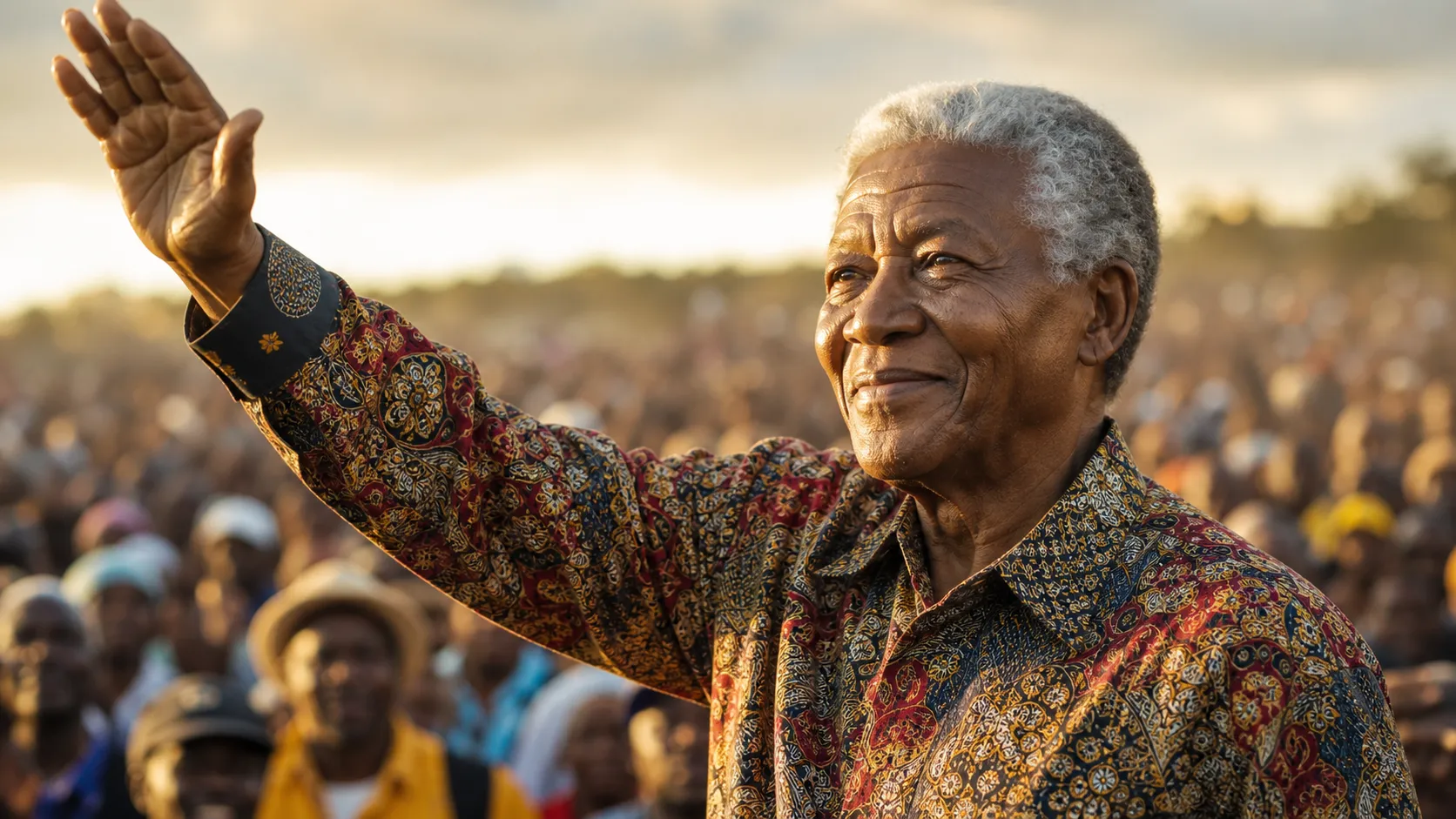
The global impact of Nelson Mandela is rare in modern history: a prisoner who became a president, then a moral reference point for leaders on every continent. Few people have done as much to change the world as this one man, and his enduring legacy still shapes how nations handle division decades later.
Most leaders chase influence. Mandela earned his the hard way, and the legacy of Nelson Mandela rests on a single choice: refusing revenge when revenge was the easy, popular option. That decision rewired how the world talks about reconciliation, and it still shapes how we frame leadership today.
Quick answer
Nelson Mandela's global impact lies in proving that a divided nation could move from oppression to democracy without civil war. He modeled reconciliation over retribution, anchored the modern human rights movement, and set a standard of principled leadership that diplomats, activists, and executives still cite worldwide.
Key takeaways
- Mandela spent 27 years imprisoned, then led South Africa's peaceful transition out of apartheid.
- He shared the 1993 Nobel Peace Prize and became the first Black president of South Africa in 1994.
- His Truth and Reconciliation approach influenced post-conflict nations far beyond Africa.
- The United Nations observes Nelson Mandela International Day every July 18.
- His leadership style, patience, principle, and listening, is studied in business and politics alike.
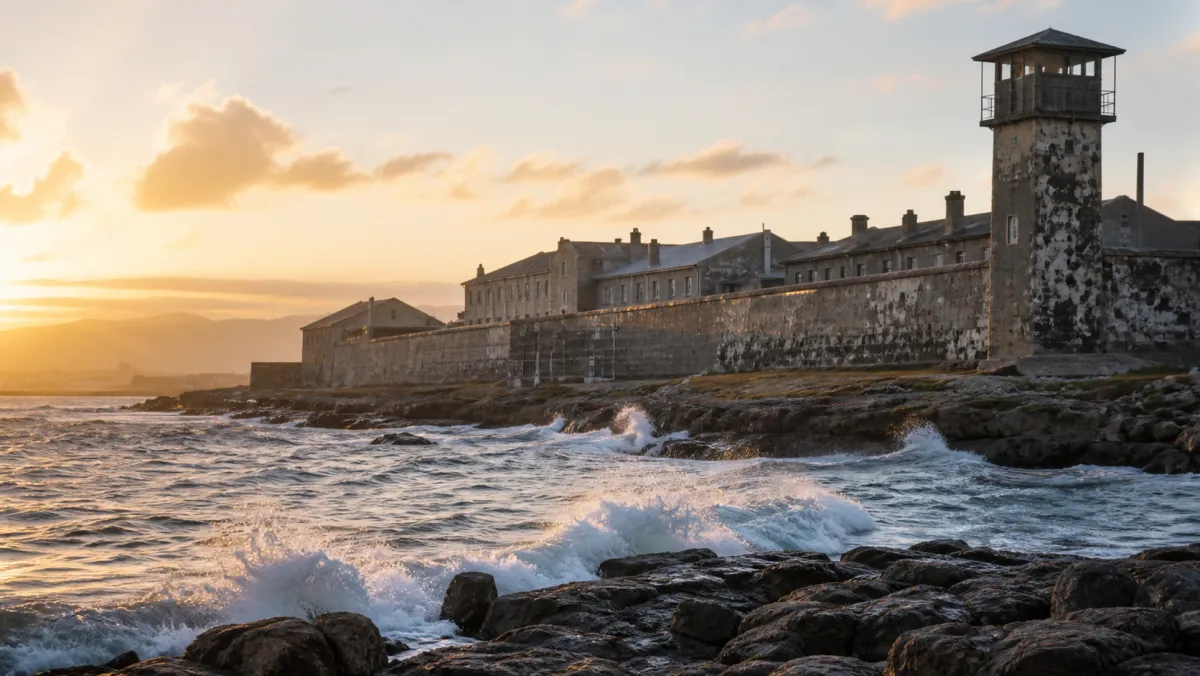
From Prison on Robben Island to a Global Symbol
Nelson Mandela, born Rolihlahla Mandela on 18 July 1918 in Mvezo, grew up in South Africa's Eastern Cape and later studied law at Fort Hare University before moving to Johannesburg.
He joined the African National Congress (ANC), the organisation that became the backbone of the fight against apartheid, and quickly became a committed activist. In 1944 he helped found the African National Congress Youth League to push the ANC toward bolder activism.
Apartheid enforced strict racial segregation and discrimination, and Mandela dedicated much of his life to helping end racial segregation in South Africa. He took part in the 1952 Defiance Campaign, an early wave of civil disobedience and nonviolent resistance against discriminatory laws.
After the 1960 Sharpeville massacre, Mandela helped launch the ANC's armed struggle. He faced a treason charge in 1956 and was acquitted; in 1964 he was convicted of sabotage and sentenced to life in prison, beginning 27 years behind bars, most of it on Robben Island.
By the 1980s, "Free Mandela" was painted on walls from London to Los Angeles. He had become the face of a worldwide anti-apartheid struggle without giving a single public speech for decades.
That is the first lesson in his global reach: influence does not require constant visibility. It requires standing for something people recognize as true, and it requires defiance that does not fade with time.
Reconciliation: The Core of Nelson Mandela's Legacy
Mandela walked free on 11 February 1990. The fear at the time was real: that South Africa would collapse into a race war during its transition from apartheid to multiracial democracy.
Instead of punishing the white minority, he built an inclusive alliance in government and pushed a culture of inclusivity across a deeply divided country. The Truth and Reconciliation Commission let victims and perpetrators speak openly, trading amnesty for honesty.
This was not soft. It was strategic, and it set a precedent for sustainable peace that other post-conflict nations still study. Mandela understood that a country at war with itself cannot build a rule of law that people trust.
Mandela proved that the strongest move a leader can make is refusing the revenge everyone expects.
Leaders inside companies face smaller versions of this every day. If you have ever watched a team fracture under blame, you understand why his model still gets taught. It is the opposite of the dynamics you see when employees notice the early signs of being set up to fail at work.
The Numbers and Milestones That Shaped His Legacy
Mandela's symbolic power rests on a clear record. The milestones below are why his name still opens doors at the United Nations, in boardrooms, and in classrooms.
| Milestone | Year | Why it mattered globally |
|---|---|---|
| Treason trial | 1956 | First major test of his legal and political resolve |
| Imprisoned | 1962 | Became the world's most famous political prisoner |
| Released from prison | 1990 | Signaled apartheid's end and inspired global hope |
| Nobel Peace Prize | 1993 | Shared with F.W. de Klerk for a peaceful transition |
| Elected president | 1994 | South Africa's first democratic, multiracial vote |
| Founded the Elders | 2007 | Global panel of leaders tackling human rights |
| Died at 95 | 2013 | Prompted mourning and tribute across the world |
He was awarded the Nobel Peace Prize in 1993, then served as president of South Africa from 1994 to 1999 (1994-1999). He stepped down after one term, a quiet rebuke to leaders who cling to power.
Each entry on that list traveled further than South Africa's borders. The 1990 release dominated global news and pressured other governments to engage rather than isolate the South African government. The one-term exit became a talking point in nations where leaders rewrite constitutions to stay in office.
How Mandela Influenced South Africans and Leaders Worldwide
His impact spread along three channels: diplomatic relations, human rights, and the language of leadership itself.
Diplomats borrowed his reconciliation playbook for post-conflict nations from Rwanda to Northern Ireland. The idea that truth-telling can precede sustainable peace traces much of its modern weight to his example.
Human rights groups gained a living symbol. When Mandela spoke against poverty or HIV/AIDS stigma in his later years, the cause gained instant global attention. Few figures could move an agenda by simply showing up.
Black South Africans in particular saw in Mandela proof that apartheid rule could end without endless bloodshed. Activists worldwide adopted his patience. Mandela showed that lasting change is rarely fast, a hard truth for any movement that wants results this quarter. That tension between speed and durability mirrors the broader benefits and risks of pushing change too quickly in any system.
Business leaders study his style for one reason: he combined unshakable principle with genuine flexibility on tactics. He negotiated with the people who jailed him without surrendering his goal, then led the South African government with that same discipline throughout his presidency.
The Mandela Leadership Model in Practice
Strip away the icon status and you find repeatable habits. These are what leadership programs actually extract from his life.
- Listen before deciding. Mandela was known for hearing every voice in a room before stating his own.
- Play the long game. He measured progress in decades, not news cycles.
- Lead by symbol. Wearing the Springbok rugby jersey in 1995 told millions the nation was one team.
- Share credit, keep responsibility. He elevated others while owning the hardest calls himself.
The 1995 Rugby World Cup moment is worth pausing on. The Springboks were a hated emblem of white rule, yet Mandela embraced the team in front of a watching world. He understood that symbols move people faster than speeches.
These habits are not unique to politics. They translate directly into how strong managers steady a team or how a new professional builds trust early, the same instinct behind a confident first professional introduction that earns respect on day one.
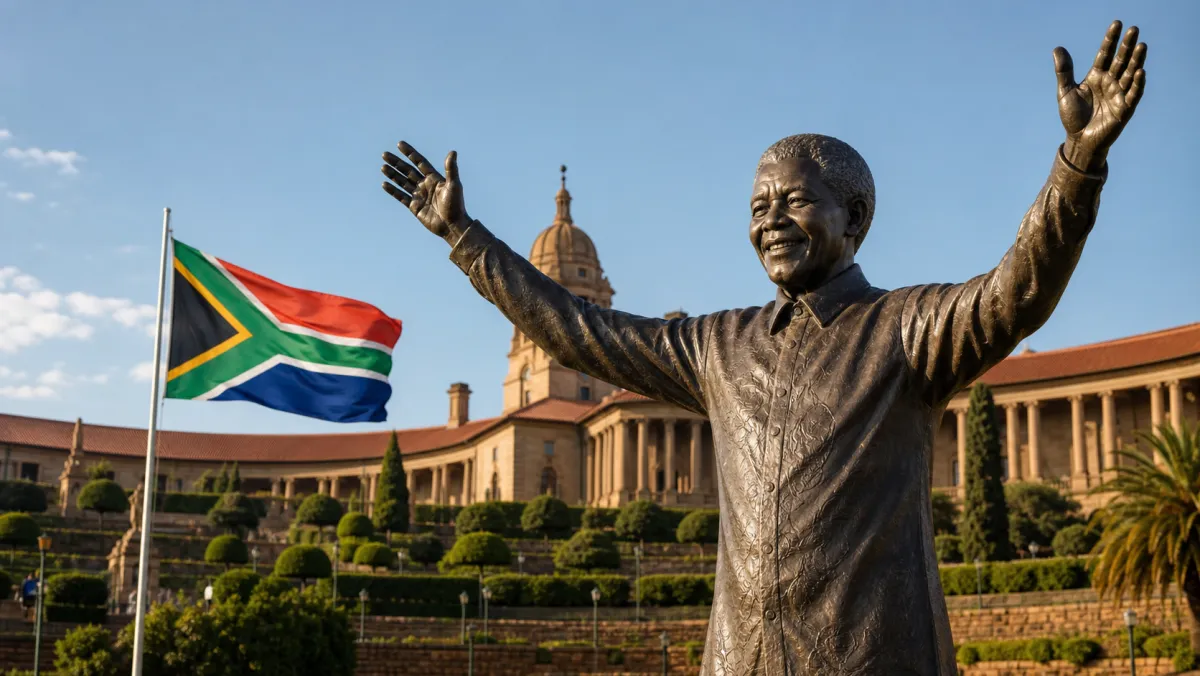
Mandela’s Legacy and Nelson Mandela International Day
Today the Nelson Mandela name anchors schools, scholarships, and a United Nations-recognized day of service on 18 July. The Nelson Mandela Foundation keeps his archives and ideas active for new generations.
Mandela's death in 2013, at 95 years old, prompted mourning from Johannesburg to the United Nations headquarters in New York. The UN designated 18 July as Nelson Mandela International Day the year before he died, cementing Mandela’s impact as a permanent fixture on the global calendar.
His relevance also shifts as markets and media change. In an economy where middlemen vanish and reform, a pattern explored in reintermediation and shifting value chains, his insistence on human dignity over short-term gain still reads as a competitive advantage, not a soft ideal.
That is the heart of the global impact of Nelson Mandela: Mandela’s legacy made integrity look practical. Not naive, not weak, but the most durable strategy any leader can choose.
Frequently asked questions
What was Nelson Mandela's biggest global impact?
His biggest global impact was proving a divided nation could move from racial oppression to democracy peacefully. This reconciliation model influenced post-conflict efforts worldwide and reshaped how leaders approach justice after deep division.
How long was Nelson Mandela in prison?
Nelson Mandela spent 27 years in prison, from 1962 to 1990, much of it on Robben Island. His imprisonment turned him into the world's most recognized political prisoner and a global symbol of resistance.
Why is Nelson Mandela admired by world leaders?
World leaders admire Mandela for choosing reconciliation over revenge, serving only one term as president, and combining firm principle with practical negotiation. His example is widely cited in diplomacy, human rights, and leadership training.
What is Nelson Mandela International Day?
Nelson Mandela International Day is observed every 18 July, his birthday, and recognized by the United Nations. It encourages people to dedicate time to community service in honor of his values.