Business Concepts
Fidel Castro and Cuban Revolution: Full Timeline Explained
Fidel Castro and Cuban Revolution explained: how Castro's guerrillas overthrew Batista in 1959, the Moncada attack, exile, and Cold War aftermath.
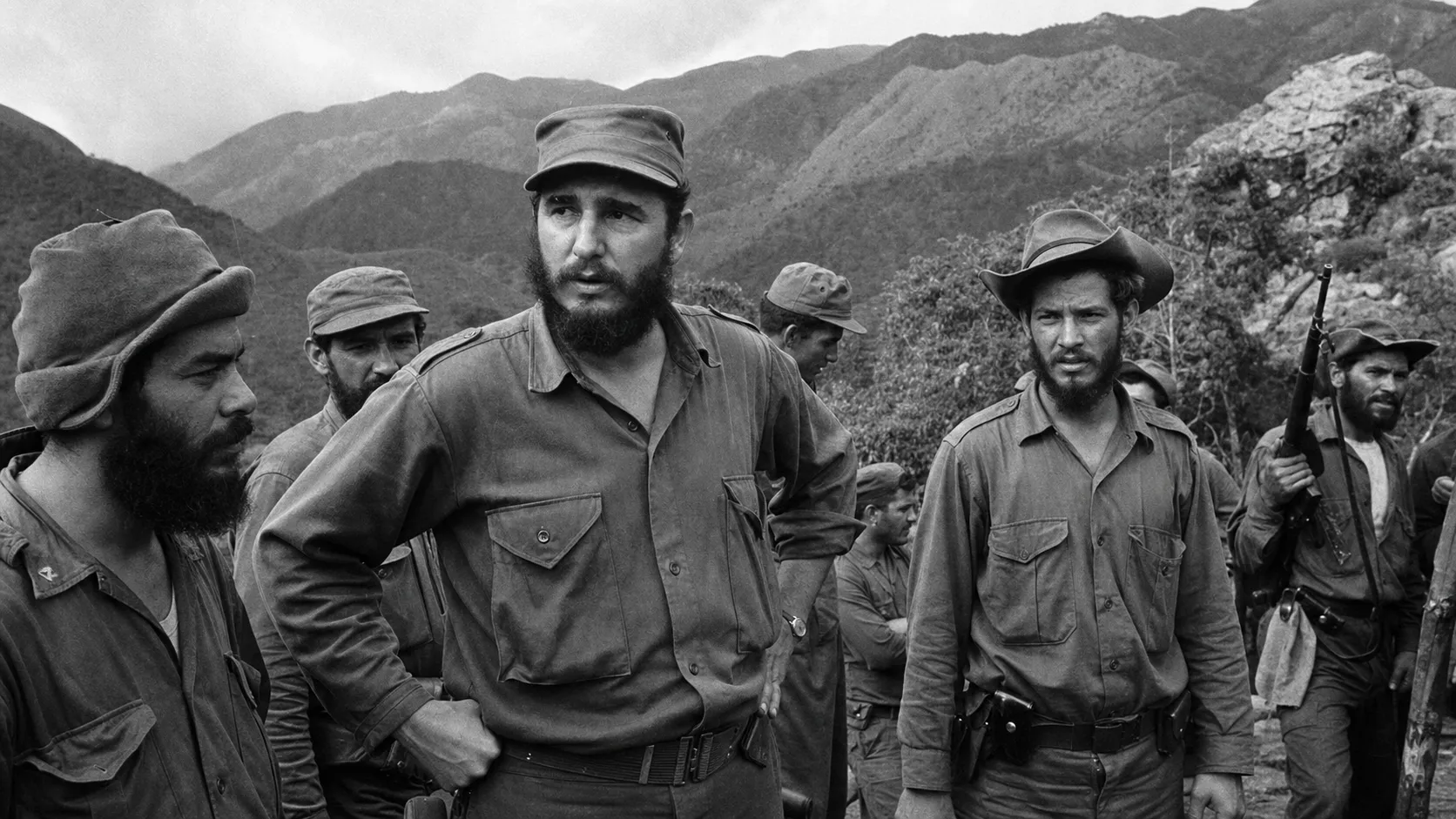
This guide to Fidel Castro and Cuban Revolution history traces one of the defining political upheavals of the twentieth century. In just over five years, a small band of armed exiles toppled a US-backed dictator and turned a Caribbean island into a Cold War flashpoint.
Quick answer
The Cuban Revolution was the armed uprising led by Fidel Castro that overthrew dictator Fulgencio Batista on January 1, 1959. It began with the failed 1953 attack on the Moncada Barracks and ended with Castro's guerrillas marching into Havana, after which Cuba became a one-party socialist state aligned with the Soviet Union.
Key takeaways
- The revolution ran from the 1953 Moncada attack to Batista's flight on January 1, 1959.
- Fidel Castro, his brother Raúl, and Ernesto "Che" Guevara were its central figures.
- Guerrilla warfare from the Sierra Maestra mountains wore down a far larger army.
- The outcome reshaped US-Cuba relations and triggered the 1961 Bay of Pigs and 1962 Missile Crisis.
- Castro ruled Cuba for nearly half a century, until handing power to his brother Raúl Castro in 2008.
Who was Fidel Castro before the revolution?
Fidel Castro was born in 1926 to a prosperous landowning family in eastern Cuba. His father had arrived in Cuba from Spain and built a sugar plantation, placing the family among the rural elite in a society still shaped by cuban independence movements and Cuba's history since independence from Spain in 1898.
Castro trained as a lawyer at the University of Havana, where he absorbed the nationalist and anti-imperialist politics sweeping Latin America in the 1940s. He was one of many cuban student activists radicalized by the country's postwar instability.
This case sits inside our library of business and historical concepts, because revolutions are case studies in power, incentives, and how systems break. Castro's early biography explains a lot about what came later.
By the early 1950s, Castro was a young attorney planning to run for parliament. That path closed in March 1952, when General Fulgencio Batista seized power in a military coup and cancelled the elections. President Fulgencio Batista's government fell into place almost overnight, and Castro turned from the ballot box to armed resistance.
The Moncada attack and the spark of 1953
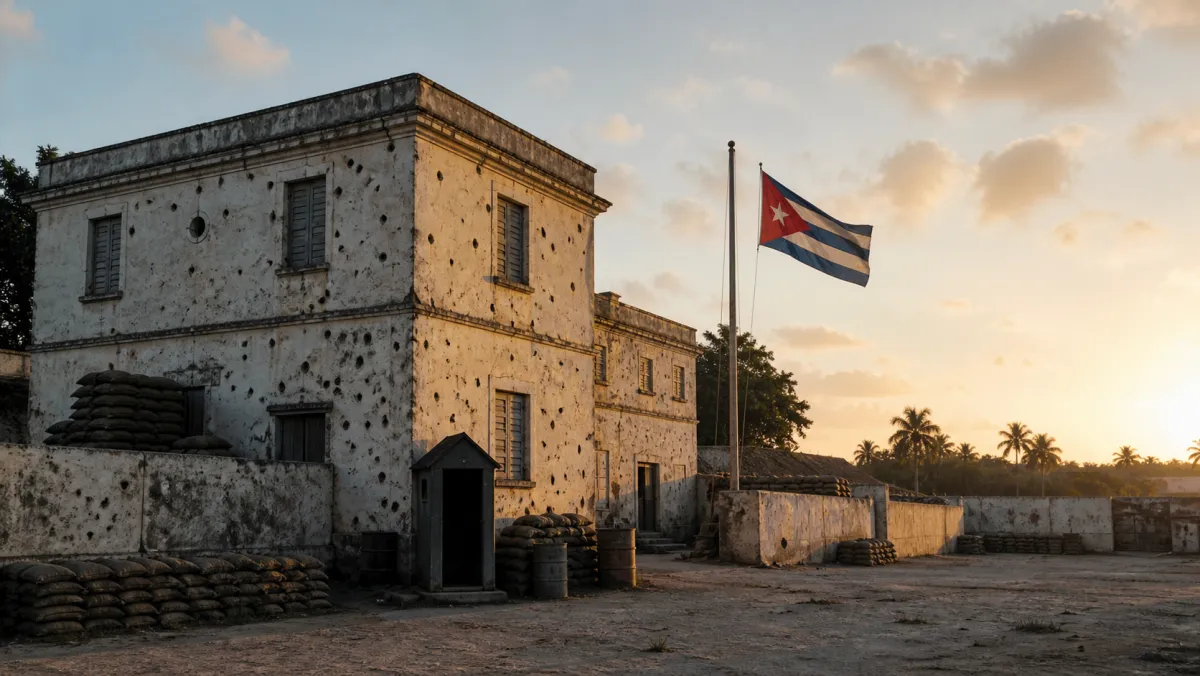
On July 26, 1953, Castro led roughly 135 fighters in an assault on the Moncada Barracks in Santiago de Cuba. Castro ordered his men to move in small teams to avoid detection, and Castro sent a diversionary squad toward a nearby hospital while the main group struck the barracks gate.
The raid on the Moncada Barracks in 1953 was meant to spark a nationwide uprising, arm the movement from the garrison's own weapons stores, and rally cuban society against the Batista regime. Castro failed to capture the barracks, and most of his men were killed or captured within hours.
Many survivors faced summary execution, and Castro himself narrowly escaped the same fate when a sympathetic army officer intervened before he could be shot. The attack on the Moncada Barracks became the founding myth of Castro's movement, retold every July 26 as a revolutionary holiday in Cuba.
The trial gave him a stage. His defense speech, later published as "History Will Absolve Me," became the founding text of his movement, and international journalists covering Castro's trial helped turn a failed raid into a national story. The date itself gave the rebellion its name: the 26th of July Movement.
Sentenced to fifteen years, Castro served less than two. Batista, confident and seeking goodwill, granted an amnesty in 1955. Castro went into exile in Mexico to regroup rather than retire.
A failed barracks raid became a national legend because Castro understood that a lost battle, told well, can outrank a won one.
A parallel uprising: the attack on the presidential palace
Castro's guerrillas were not the only ones fighting Batista. In March 1957, two cuban opposition movements moved in the same season: Castro's mountain campaign and a separate assault by cuban student revolutionaries in Havana.
A group led by José Antonio Echeverría surrounded the presidential palace, hoping to kill Batista directly and overthrow the government before Castro's guerrillas could claim the victory. The attack failed and Echeverría was shot dead hours later in the street.
The palace assault showed how many factions wanted Batista gone, even outside Castro's own movement. It also foreshadowed the political rivalries that would resurface once the dictatorship finally collapsed.
Exile, the Granma, and the Sierra Maestra
In Mexico City, Castro was joined by his brother Raúl and by a young Argentine doctor, Che Guevara, who shared his belief that only armed struggle could overthrow the government in Havana. The group trained alongside other cuban exile fighters opposing Batista, all committed to returning to Cuba once they were ready.
Mexican police briefly arrested the group as a cuban revolutionary cell operating on foreign soil, but international pressure and bribes secured their release. Together with Raúl Castro, Guevara helped train a small expeditionary force for the return voyage.
In late November 1956, about 82 fighters crowded onto a leaky yacht called the Granma and sailed for the Cuban coast. The landing on December 2 went badly, and Batista's forces scattered the group almost immediately.
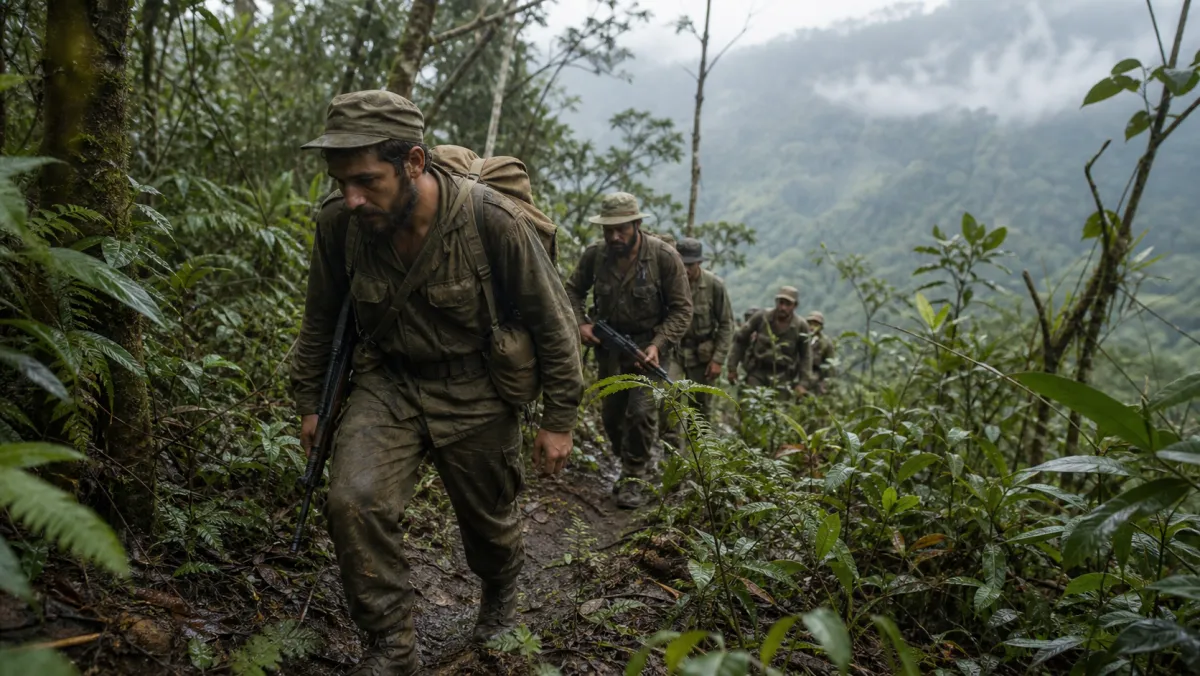
Fewer than twenty survivors regrouped in the Sierra Maestra mountains. Although Castro's force was tiny after the Granma disaster, Castro believed a mountain base could still out-organize a demoralized cuban army with better terrain and local support.
From this rugged base, the rebels built a guerrilla campaign, winning over peasants, ambushing patrols, and slowly proving that the cuban military, though numerically superior, could not control the countryside.
Understanding why a tiny force kept growing matters here. People rallied to the rebels partly because the regime's own cruelty pushed them there, a pattern not unlike the early warning signs that a system is failing its people before it collapses outright.
How the Cuban Revolution was won
By 1958, the momentum had shifted. A government offensive into the mountains failed, and rebel columns under Guevara and Camilo Cienfuegos pushed west toward the heart of the island.
The decisive blow came at the Battle of Santa Clara in late December 1958. Guevara's forces captured the city and derailed an armored train carrying reinforcements. Batista's cuban air force flew sorties against rebel positions but could not stop the advance.
Castro asked local militias to cut supply lines rather than fight pitched battles, a tactic that spared lives on both sides. Batista's army was demoralized, and his foreign backers were pulling away fast.
On January 1, 1959, Fulgencio Batista fled the country for the Dominican Republic. When Castro took Havana on January 8, crowds lined the streets in scenes of cuban national celebration rarely matched before or since. It was, by any measure, a successful revolution against a regime few had expected to fall so fast.
| Date | Event | Why it mattered |
|---|---|---|
| March 1952 | Batista coup | Cancelled elections and pushed Castro toward armed struggle |
| July 26, 1953 | Moncada attack | Failed raid that named and launched the movement |
| Dec 1956 | Granma landing | Castro's return from exile to begin the guerrilla war |
| Dec 1958 | Battle of Santa Clara | Broke the army's will and opened the road to Havana |
| Jan 1, 1959 | Batista flees | End of the dictatorship and start of Castro's rule |
Castro proclaims the Cuban Socialist Revolution
Shortly after the revolution, Fidel Castro's government began the sweeping reforms that would define his rule. The lawyer Manuel Urrutia Lleó had once defended jailed rebels in court. He was sworn in as the new Republic of Cuba's provisional president, though real power rested with Fidel Castro's inner circle.
The new government did not begin as openly communist. Castro proclaimed the cuban socialist revolution in December 1961, declaring himself a Marxist-Leninist and formally aligning Cuba's future with the Soviet bloc.
Consolidating power meant merging factions. The 26th of July Movement absorbed the old Popular Socialist Party, Cuba's pre-revolutionary communist party, along with the student-led Revolutionary Directorate, into a single Communist Party of Cuba.
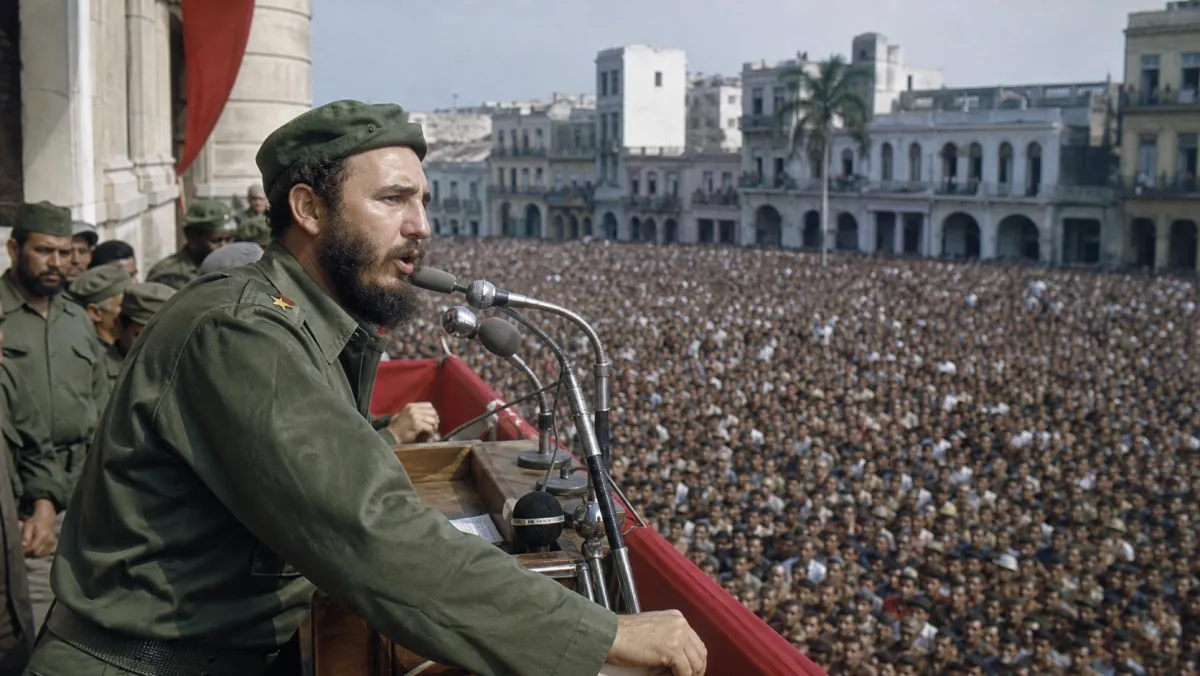
By 1965, the Communist Party of Cuba was formally established, with the Castro brothers, Fidel as first secretary and Raúl Castro as his deputy, at its head. Castro became the party's undisputed leader while keeping the presidency and command of the armed forces. Cuban communists who had once distrusted Castro's middle-class background now formed the backbone of his revolutionary government. Foreign reporters often shorthanded the new organization as the cuban communist party, though its official name never changed.
What Changed in Cuba After 1959?
The new revolutionary government moved fast. It nationalized large estates and foreign-owned businesses, launched literacy campaigns, and restructured land ownership. These reforms were popular at home but alarming to Washington.
The state restructured the cuban economy around central planning, nationalizing sugar mills, banks, and utilities. Output initially dipped as skilled managers fled into exile, but literacy and healthcare access for the cuban people expanded fast enough to offset some of the pain. Social and economic reforms reached rural areas that Batista's regime had ignored for generations.
Relations with the United States deteriorated quickly. The US imposed a trade embargo, and in April 1961 it backed the failed Bay of Pigs invasion by Cuban exiles hoping to overthrow Castro's government. Isolating Castro's cuban government became a bipartisan goal in Washington for the next five decades.
That standoff produced the most dangerous moment of the Cold War. The 1962 Cuban Missile Crisis brought the superpowers to the edge of nuclear war over Soviet missiles stationed on the island, ninety miles from Florida.
For more on how shifting alliances and reversals reshape established systems, the concept of reintermediation offers a useful lens on how power and middlemen reorganize after disruption.
Cuba, the Soviet Union, and Latin America's Cold War
Washington pushed back on multiple fronts beyond the embargo. In 1962, the Organization of American States voted to expel Cuba, isolating Castro's government across most of Latin America's Cold War alliances.
The Soviet Union answered by stationing nuclear weapons in Cuba that October, the spark behind the missile crisis. A decade later, Cuba joined the Council for Mutual Economic Assistance, tying its economy formally to the Soviet bloc rather than to its own region.
Critics argued the alliance did little for democracy in Latin America, since Castro's Cuba stayed a one-party state even as it funded Latin American guerrillas elsewhere on the continent.
Cuba's Reach Beyond Latin America: Angola and the Thaw
Cuba's ambitions extended beyond the hemisphere. Starting in 1975, the cuban intervention in Angola sent tens of thousands of troops to back the country's Marxist government against South African-backed rebels.
Official estimates suggest several thousand cuban soldiers died in that African campaign, a human cost rarely discussed openly inside Cuba at the time. It remained one of the largest Cuban military deployments outside the island.
Decades later, the cuban thaw of 2014 to 2016 briefly reopened diplomatic relations with the United States under Presidents Obama and Raúl Castro, restoring an embassy in Havana for the first time since 1961. Later administrations partly reversed those gains.
Castro's Long Rule Over Cuba and His Legacy
Fidel Castro governed Cuba for almost five decades. Supporters credit him with free healthcare, near-universal literacy, and resistance to foreign domination. Critics point to the suppression of dissent, a one-party state, and waves of emigration among Cubans.
Washington backed multiple covert plots to overthrow Castro over the decades, none of which succeeded, and the Castro government outlasted ten American presidents. In 2008, illness forced Fidel Castro to hand power to his brother Raúl.
Fidel Castro's death on November 25, 2016, at age 90, closed a chapter that had shaped Cuban politics since before most living Cubans were born. This remains Fidel Castro's defining legacy in Cuban history, one still argued over by historians and Cuban exiles alike.
Every revolution carries both promise and danger, a tension that mirrors the broader benefits and risks of innovation in any field where bold change collides with unintended consequences.
For readers approaching this topic academically, learning to frame and present historical movements clearly is its own skill, not unlike crafting a strong structured self-introduction that leads with what matters most.
Frequently asked questions
What did Fidel Castro do in the Cuban Revolution?
Fidel Castro led the guerrilla movement that overthrew dictator Fulgencio Batista, waging an armed campaign from the 1953 Moncada attack through exile in Mexico to a mountain insurgency that took Havana on January 8, 1959.
Did the Cubans like Fidel Castro?
Opinion was divided and remains so. Many Cubans credited Castro with free healthcare, land reform, and near-universal literacy, while others fled into exile or opposed the one-party state that followed the revolution.
Did Fidel Castro make Cuba better or worse?
Historians disagree. Castro's government expanded healthcare and education for the cuban people, but it also suppressed dissent, nationalized private property, and triggered decades of isolation under the US trade embargo.
Why did America want to overthrow Fidel Castro?
Washington opposed Castro after his government nationalized US-owned businesses without compensation and formally aligned Cuba with the Soviet Union, prompting covert operations like the 1961 Bay of Pigs invasion.
When did the Cuban Revolution start and end?
The Cuban Revolution effectively began with the failed Moncada Barracks attack on July 26, 1953, and ended on January 1, 1959, when Batista fled and Castro's forces took control.
What was the Granma?
The Granma was the small yacht that carried Castro and about 82 fighters from Mexico to Cuba in late 1956 to launch the guerrilla phase of the revolution.
For deeper primary context, see the encyclopedic overviews of the Cuban Revolution and of Fidel Castro.