Business Concepts
Disintermediation: How Businesses Cut Out the Distributor
Disintermediation cuts out the middleman so producers sell direct. See examples, cost savings, and visibility trade-offs before skipping the distributor.

Disintermediation is what happens when a business cuts out the middleman and sells straight to the buyer. A manufacturer skips the distributor so shoppers can purchase products at the source. A hotel skips the travel agent. A musician skips the label and chooses to bypass the industry's usual gatekeepers. The result is a shorter, faster, often cheaper path between producer and customer.
Quick answer
Disintermediation means removing the intermediary, wholesaler, distributor, or broker between a producer and the end customer. Businesses do it through e-commerce, direct booking platforms, and their own marketplace to keep more margin, gather first-party data, and control the customer relationship. It usually lowers prices for buyers but shifts logistics, support, and inventory risk onto the seller.
Key takeaways
- Disintermediation cuts out wholesalers, brokers, or agents so producers can sell directly to customers.
- E-commerce, marketplaces, and booking platforms made direct-to-consumer sales possible at real scale.
- Going direct usually means better margin and visibility but a heavier fulfilment workload.
- Removing intermediaries from a supply chain does not remove risk, it transfers depreciation, overproduction, and inventory costs onto the producer.
- Reintermediation is common: marketplaces, AI agents, and niche brokers often step back in as new intermediaries.
What Disintermediation Means for Distributors and Retailers
For a distributor, disintermediation is an existential threat. Their business model depends on sitting between the manufacturer and the retailer, adding a markup at each handoff to cover warehousing, transportation, and sales support.
An intermediary earns that markup by solving problems the two ends cannot solve alone: local geography coverage, inventory buffering, and credit terms. Remove it and someone still has to do that work, usually the producer or the platform replacing it. It is the same tension we cover across our guide to core business concepts, where efficiency gains on one side almost always create new costs somewhere else.
Retail feels the same squeeze. When a manufacturer opens its own online store, the traditional retailer that used to stock the shelf now competes with the very brand it helped build, often on price, while losing the customer relationships it spent years building.
How Disintermediation Works, From Manufacturer to Consumer
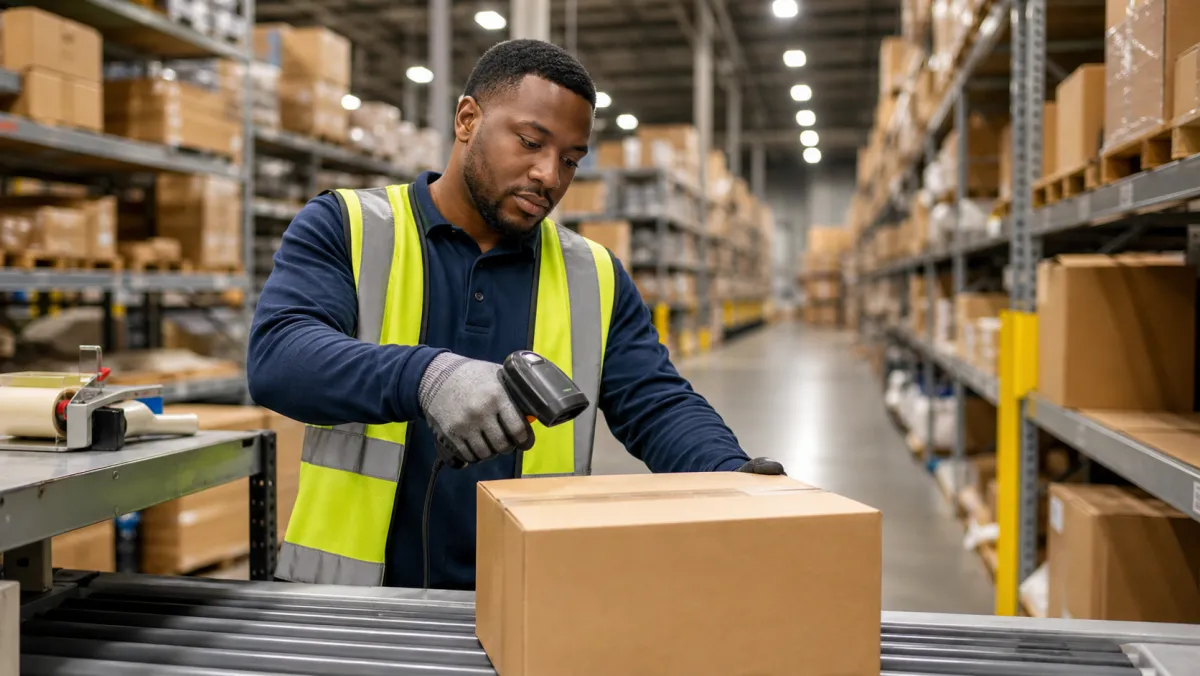
The mechanics are straightforward. A manufacturer builds its own e-commerce storefront, lists products directly on a marketplace like Amazon, or sells through a direct-to-consumer app instead of shipping pallets to a wholesaler.
Every transaction that used to pass through a broker or a regional supplier now happens as a direct interaction between seller and buyer. The producer sets the price, ships the stock, and owns the sale end to end.
This reshapes the traditional supply chain itself, cutting steps that used to sit between factory and doorstep, shrinking the distance between producers and consumers. It is the removal of intermediaries in practice, not theory, allowing consumers to buy directly from producers instead of visiting a store that marked the item up twice on its way there.
Traditional Distribution vs Direct-to-Consumer, Compared
The two models trade different costs for different control. Here is how traditional distribution channels stack up against a disintermediated, direct-to-consumer setup.
| Factor | Traditional distribution | Disintermediation (direct-to-consumer) |
|---|---|---|
| Markup layers | Wholesaler and retailer both add a markup | One margin, kept by the producer |
| Customer data | Retailer owns the customer relationship | Producer owns analytics and contact info |
| Speed to market | Slower, tied to distributor schedules | Faster, seller controls the calendar |
| Fulfilment workload | Handled by wholesalers and retailers | Falls on the producer's own logistics |
| Price to buyer | Higher, each layer adds cost | Often lower, fewer hops between producer and buyer |
Disintermediation does not remove the work, it just moves the work from someone else's warehouse to yours.
Real-World Examples of Disintermediation

Amazon is the example everyone reaches for, a marketplace so large that plenty of manufacturers now sell to consumers directly, bypassing traditional retail chains and stocking their own shelves instead.
Travel shows the same pattern. Booking hotel rooms directly on a hotel's own site, instead of through a travel agent, skips the commission and often the transaction fee that would otherwise go to an intermediary. Direct hotel bookings made through a chain's own app are a textbook case of a business-to-consumer relationship replacing an old b2c middleman.
Direct-to-consumer brands built entire companies on this idea. A mattress, razor, or eyewear brand that sells straight from its own site, cutting out wholesalers and retailers, can usually undercut the shelf price and still keep a healthier margin.
Farmers selling produce directly from producers to consumers, or a boutique brand serving a niche audience through its own marketplace, do the same thing at a smaller scale, trading broad reach for direct interaction and stronger brand loyalty over time.
How AI Is Speeding Up Disintermediation
Artificial intelligence is accelerating all of this, though it comes with the same benefits and risks of innovation that new technology always brings. AI shopping agents can now compare prices and buy directly from a producer's site without a human ever visiting a traditional retailer.
AI-driven analytics let a small producer run customer support, demand forecasting, and marketing efforts that used to require a distributor's scale. That drop in the high cost of reaching buyers is a big part of why disintermediation keeps spreading into new categories.
AI also changes customer acquisition. A producer can now target potential customers directly through ads and recommendation engines, work an intermediary used to do on the manufacturer's behalf.
Security, Verification and Trust When You Remove the Middleman
An intermediary used to absorb a lot of the trust problem. A known distributor or retailer vouched for a product's authenticity and handled returns, so the buyer never had to think about verification.
Sell directly and that job falls on the producer. Payment security, identity verification, and transparent product information all have to be handled in-house or bought from a new specialist, which is its own kind of intermediary.
This is why transparency became a selling point for direct-to-consumer brands. Clear sourcing, visible reviews, and responsive customer support rebuild the trust a traditional middleman used to provide for free.
Reintermediation: When New Middlemen Return

Cutting out one intermediary rarely means no intermediary at all. Marketplaces, payment processors, delivery apps, and AI shopping assistants often step in as new intermediaries, charging their own fee for the same trust and reach a distributor used to provide.
This swing back is called reintermediation, and it is a well documented part of the disintermediation cycle. A niche broker or a specialist platform can reappear exactly where a producer thought the work was gone for good. Our deeper look at reintermediation covers how these new gatekeepers form.
The Financial Trade-offs: Depreciation, Overproduction and Economies of Scale
Going direct changes the balance sheet, not just the sales channel. A producer that takes over its own warehousing and delivery has to invest in trucks, software, and storage space, assets that lose value through depreciation the same way any equipment does.
Depreciation meaning, in plain terms, is the accounting reality that a van or a warehouse racking system wears out and gets written down over time. That is the depreciation definition that matters here. Skip the wholesaler and you inherit that cost on your own books instead of paying someone else's markup to cover it.
Producers also lose the demand signal a good distribution network used to provide. Without that early warning, it is easier to slide into overproduction, making more stock than direct channels can actually sell, which ties up cash and space.
There is a real economies of scale definition problem too. Big distributors buy shipping, packaging, and warehousing in bulk and pass some of the savings along. A single producer selling directly rarely matches that buying power, so the costs associated with each order tend to run higher.
The effect shows up across the financials. Inventory sits longer on the balance sheet, accounts receivable can grow if new direct customers get payment terms, gross margin often improves on paper, and cash flow gets tighter because working capital now funds warehousing instead of a wholesaler's invoice.
None of this makes disintermediation a bad trade. It usually means higher revenue per unit and more control, but only if the extra workload, the outsource decisions, and the fulfilment capabilities are planned for before the switch, not after.
How to Decide If Your Business Should Disintermediate
Disintermediation makes the most sense when a business already has the competency to run its own fulfilment, support, and marketing in house, or is willing to adopt the tools that let it outsource that work well.
It is a stronger fit in a narrow niche with loyal buyers than in a category where a traditional retailer's foot traffic and global reach still drive most demand. A regional brand chasing global reach may still need a partner in unfamiliar geography.
Once a producer cuts out the distributor, someone still has to own the CRM, marketing, and support that intermediary used to handle. That is usually the first gap teams underestimate.
Best for managing direct customer relationships
GoHighLevel From $97/mo
GoHighLevel bundles CRM, email/SMS marketing, booking, and payments into one subscription, so a producer going direct is not stitching together five separate tools to replace what a distributor used to cover.
Pros
- CRM, email/SMS, and booking calendars in one platform
- Automates the customer support and marketing efforts a distributor used to cover
- Unlimited contacts and users on every plan, starting at $97/mo
Cons
- Email, SMS, and call usage bill separately from the base plan
- Learning curve if you are replacing several point tools at once
Some businesses land on a middle path: collaborate with a wholesaler through a formal partnership in markets where they lack scale, and sell directly to customers everywhere else. That hybrid model helps a brand remain relevant on price without taking on every logistics headache alone.
- Do you have, or can you build, the fulfilment capabilities to ship reliably at your current volume.
- Can your team handle customer support and service training without an intermediary absorbing that cost.
- Does your margin improve enough after the switch to cover new logistics, security, and marketing efforts.
- Do you need a partner's geography and global reach, or does your audience already buy directly.
Handing your team a full direct-to-consumer workload without training or support is one of the clearest signs you are being set up to fail at work, so budget for service training before the switch, not after.
Related guides
Disintermediation, FAQ
What is an example of disintermediation?
A manufacturer selling straight from its own online store instead of through a wholesaler and retailer is a clear example of disintermediation. Direct hotel bookings and farm-to-table produce sales work the same way.
What do you mean by disintermediation?
Disintermediation means removing the intermediary, distributor, or broker between a producer and the end customer so the two sides deal with each other directly.
Is disintermediation good or bad?
It depends on who you ask. Buyers usually get lower prices and more transparency, producers usually get better margin and data, but wholesalers and retailers lose the business that middle position used to guarantee.
What is disintermediation in real estate?
In real estate, disintermediation means a buyer and seller transact without a traditional agent, often through a listing platform or a direct sale, cutting out the commission an intermediary would normally earn.
Disintermediation is not a one-time event, it is a constant renegotiation of who sits between the producer and the customer. The businesses that win are the ones that plan for the workload they are inheriting, not just the margin they are gaining.