Business Concepts
Capital Goods (2026): Examples, Uses & Why They Matter
Capital goods are the durable assets businesses use to produce other goods and services. See how they differ from consumer goods on the balance sheet.
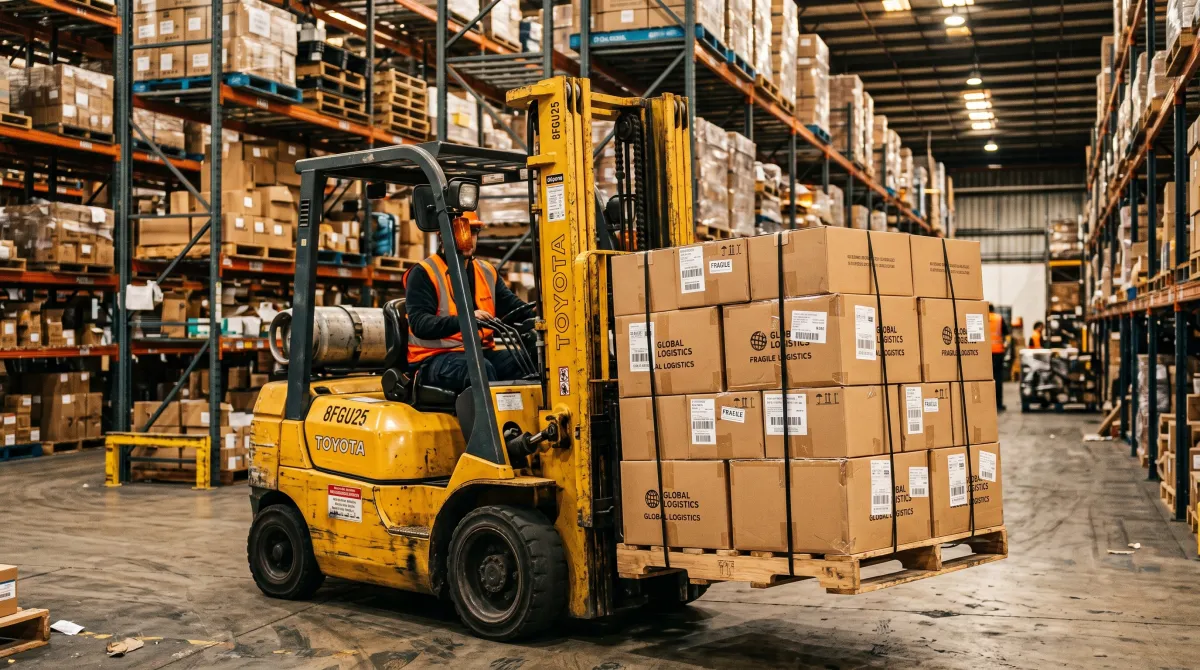
When I costed out my first warehouse fit-out, I learned the hard way that not every purchase is the same kind of money. The forklift was a capital good. The cardboard boxes it moved were not. That single distinction shapes how you budget, tax, and grow a company.
Quick answer
Capital goods are the durable physical assets, like machinery, equipment, vehicles, and office buildings, that businesses use to produce goods and services. Unlike consumer goods sold for personal use, capital goods are not sold directly to customers. They sit on the balance sheet and depreciate over their useful life.
Key takeaways
- Capital goods are tangible assets that businesses use to produce other goods or services, not for direct consumption.
- Common examples of capital goods include machinery, tools, vehicles, factories, and office buildings.
- They differ from consumer goods, which are final goods sold to consumers for personal use.
- Capital goods are recorded as fixed assets on the balance sheet and depreciate over time.
- Investment in capital goods drives economic growth and long-term production capacity.
What Is a Capital Good? Definition and Meaning
A capital good is a physical asset a company uses to produce goods and services it then sells to customers. Think of the assembly line in a factory, the tractor on a farm, or the espresso machine behind a cafe counter.
These are durable goods, designed for commercial use over many years rather than single consumption. A capital good is not the final product. It is the tool businesses use to create the products or services they sell.
Economists classify goods by how they are used, not by what they physically are. The same drill is a capital good when a contractor uses it on a job site, and a consumer good when bought for weekend projects at home. This idea sits at the heart of many core business concepts that operators lean on daily.
Capital goods are also called producer goods in older economics texts. Whatever the label, the function is the same: physical items used in the production of goods and services, not consumed in a single sale. In short, capital goods are assets that businesses use to keep making money.
Capital Goods Examples Across Industries
The clearest way to understand the term is through concrete examples of capital goods. Each one is a physical item that businesses use to produce goods or deliver services they sell.
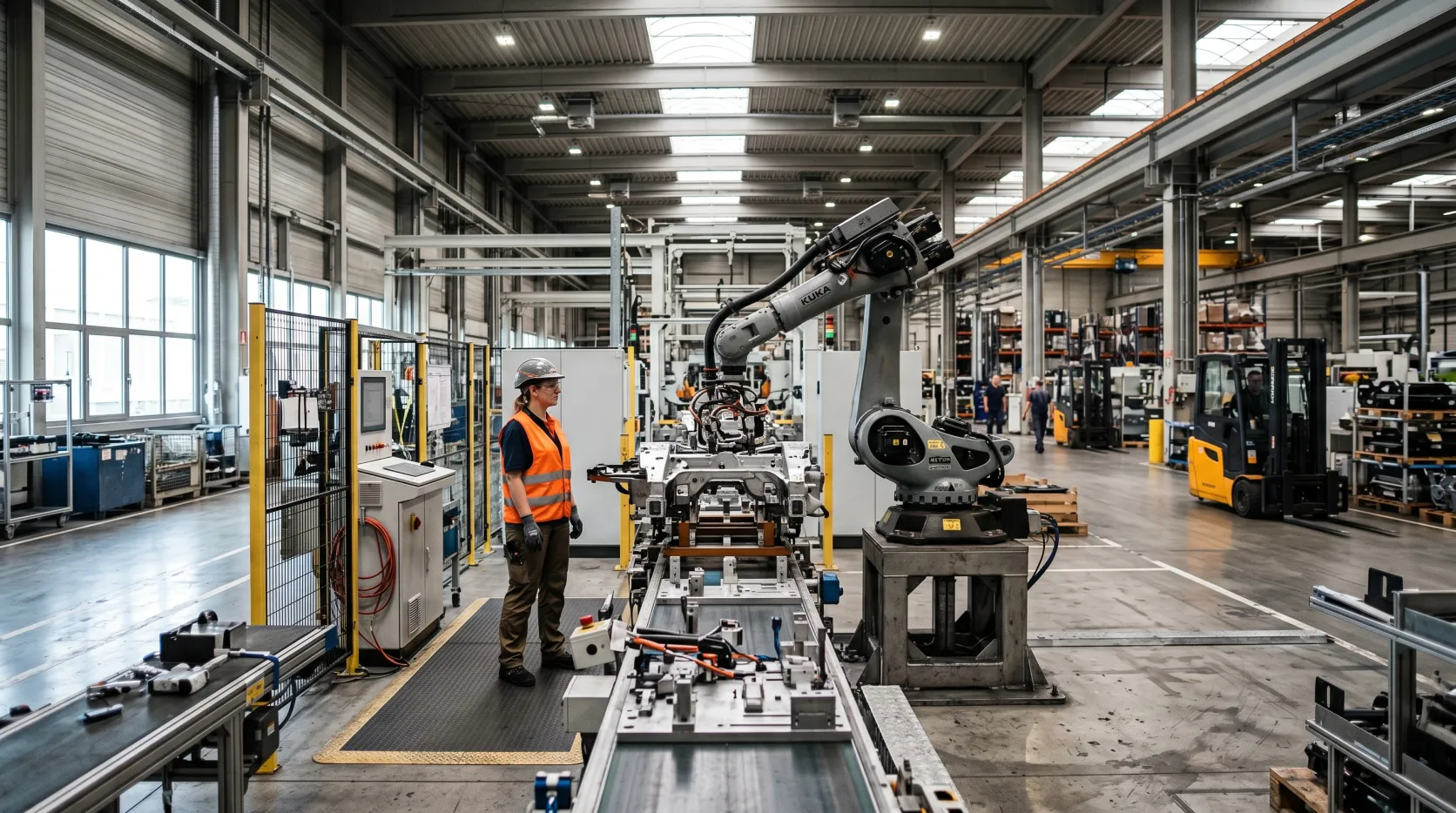
- Manufacturing: machinery and equipment, conveyor belts, industrial robots, and the assembly line itself.
- Construction: excavators, cranes, scaffolding, and vehicles used on site.
- Agriculture: tractors, irrigation systems, and grain silos.
- Offices and services: office buildings, servers, and commercial-grade computers used by companies every day.
- Logistics: delivery trucks, forklifts, and warehouse racking.
Equipment used in research and development counts too. A pharmaceutical lab's centrifuges and a software firm's test servers are capital goods because they help create products the business will eventually sell to customers.
Government data also tracks core capital goods, a narrower measure that excludes aircraft and defense. Analysts watch it as a signal of business investment and future economic growth. A rising number suggests companies are buying capital goods to expand capacity.
If a purchase helps you make money for years, it is probably a capital good. If you use it up making one sale, it is not.
Capital Goods vs Consumer Goods
The split between capital goods and consumer goods comes down to purpose. Consumer goods, also called final goods, are sold to consumers for personal use or consumption. A consumer product like a phone, a meal, or a sweater is bought to be enjoyed, not to produce something else.
Capital goods are physical assets bought by businesses to produce goods and services. They facilitate the production process and the wider business processes behind it. A bakery oven is a capital good. The bread it bakes is a consumer good sold to customers.
| Factor | Capital goods | Consumer goods |
|---|---|---|
| Who buys them | Used by businesses to produce | Bought for use by individuals |
| Purpose | Produce other goods or services | Direct consumption or use |
| Accounting | Fixed assets on the balance sheet | Expensed as cost of goods sold |
| Lifespan | Generally durable, multi-year useful life | Often short-lived or single-use |
| Examples | Machinery, factories, vehicles used in production | Phones, food, clothing |
This is why the same object can fall into either category. Whether something is considered a capital good depends on how the asset is used by a business versus an individual. The drill on a job site is considered capital goods; the same drill bought for use by individuals at home is not.
Why Capital Goods Are Important: Depreciation and the Balance Sheet
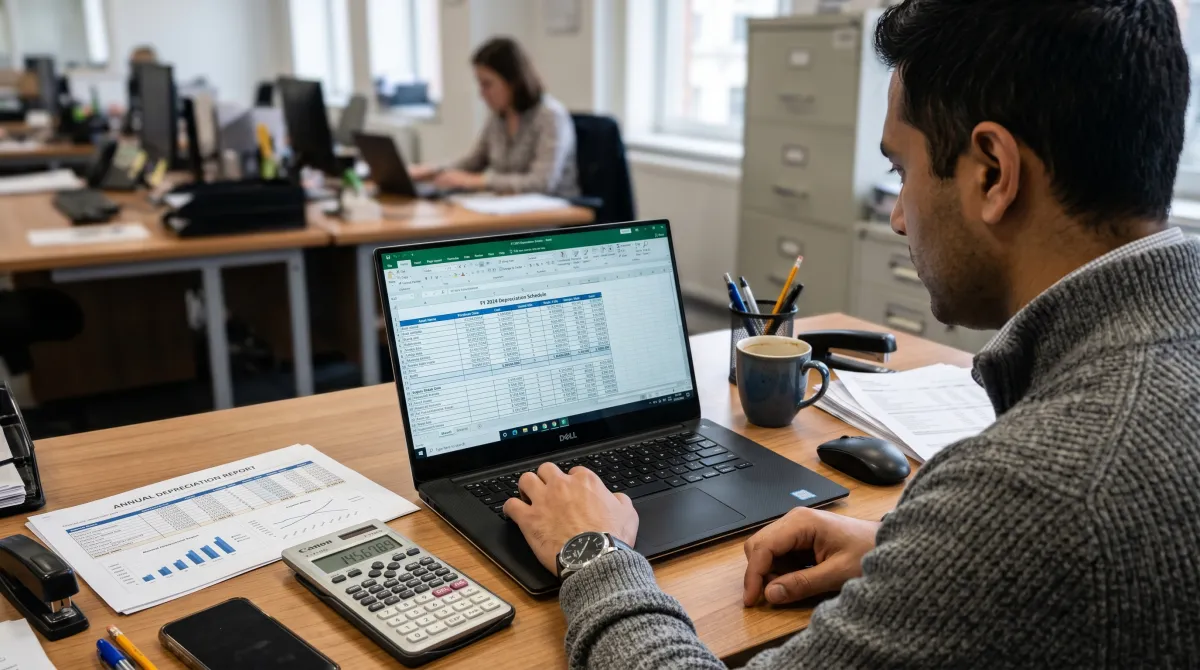
Capital goods are important because they are recorded differently from everyday expenses. When a business decides to buy capital goods, the cost is not written off all at once. Instead, the asset appears on the balance sheet and its value is spread across its useful life.
That spreading process is called depreciation. Each year, a portion of the asset's cost moves to the income statement as the equipment wears down. For natural resources like timber or mineral deposits, the equivalent process is called depletion.
Knowing why capital goods important to the books also sharpens long-term planning. Buildings, machinery, and equipment, often grouped as property, plant, and equipment (PPE), represent fixed assets that support production for years. Smart investment in these physical assets fuels capacity and economic growth.
Get the accounting wrong and the damage compounds. Treating a capital good as goods purchased for resale understates profit today and overstates it later. The reverse, capitalizing what should be expensed, inflates assets you do not really have. The same discipline that protects you here also flags the quiet dysfunction in a finance role built to fail.
Tools to Track Capital Goods and Fixed Assets
Once you own more than a handful of physical assets, spreadsheets break down. These are the platforms operators actually use to log assets, run depreciation schedules, and keep the balance sheet honest.
Best for small-business accounting
QuickBooks Online From $38/mo
For most owners tracking capital goods alongside cash flow, QuickBooks is the default. Its Simple Start plan starts at $38/month, and the asset register logs purchases, runs depreciation, and ties straight into the income statement.
Pros
- Built-in depreciation and asset tracking
- Accountant-friendly, widely supported
- Connects bank feeds to asset purchases
Cons
- Asset depth weaker than dedicated tools
- Pricing climbs with payroll and add-ons
Best for asset-heavy operations
NetSuite From ~$999/mo base
If you run a factory floor or a fleet, NetSuite handles fixed assets, depletion, and multi-entity books in one system. The base platform starts around $999/month plus roughly $129 to $199 per user, with a dedicated Fixed Assets Management module available as an add-on.
Pros
- Deep fixed-asset and depreciation engine
- Scales across locations and entities
- Strong reporting for investors
Cons
- Quote-based pricing, 10-user minimum
- Slow to implement, needs an admin
Working Capital and Cost of Goods Sold: The Other Money Concepts
Capital goods sit alongside two terms business owners mix up constantly. Getting the working capital definition and the cost of goods sold definition straight saves you from costly accounting errors.
The working capital definition is the difference between a company's current assets and current liabilities. In plain terms, the working capital meaning is the short-term cash you have to run a business day to day. It funds inventory, payroll, and supplier bills, not long-term equipment.
The cost of goods sold definition covers the direct costs of producing the goods a company sells. The cost of goods sold meaning includes raw materials and direct labor, but not capital goods. Your forklift is a fixed asset. The pallets of finished goods it carries become consumer goods sold once they reach customers.
- Capital goods: long-term tangible assets used in production, depreciated over time.
- Working capital: short-term liquidity to keep operations running.
- Cost of goods sold: direct costs tied to the products to customers you actually sell.
If you are building financial literacy, treat these three as a set. They connect on the same statements, and the smartest financial concepts only click once you see how assets, liquidity, and costs interact.
The same systems thinking shows up when you study how middlemen re-enter a market. Each shift changes the mix of assets a company has to own.
That logic carries over to product strategy as well. It appears when you map how innovation reshapes the assets a business needs.
Capital Goods FAQ
What are capital goods and examples?
Capital goods are durable physical assets businesses use to produce goods and services. Examples include machinery, factory equipment, vehicles, tools, servers, and office buildings, all used in production rather than sold directly to consumers.
What are capital goods vs consumer goods?
Capital goods are used by businesses to produce other goods or services, while consumer goods are final goods sold to consumers for personal use. A pizza oven is a capital good; the pizza it makes is a consumer good.
What qualifies as capital goods?
An item qualifies as a capital good when it is a tangible, durable asset a business uses in production and that has a useful life beyond one year. It must help produce goods or services rather than be consumed in a single sale.
What are the three types of capital goods?
Capital goods are often grouped into three types: equipment and machinery used directly in production, buildings and infrastructure like factories and office buildings, and vehicles used in business operations and logistics.
What is working capital?
Working capital is the difference between current assets and current liabilities. It measures the short-term cash a business has to cover daily operations like payroll, inventory, and supplier payments.
What is cost of goods sold?
Cost of goods sold is the direct cost of producing the products a company sells, including raw materials and direct labor. It appears on the income statement and excludes capital goods and overhead.
What are cost of goods sold examples?
Cost of goods sold examples include raw materials, packaging, and the direct labor used to make a product. For a bakery, that is flour, sugar, and the baker's wages, but not the oven, which is a capital good.
What are working capital examples?
Working capital examples include cash, accounts receivable, and inventory on the asset side, offset by accounts payable and short-term debt. The net figure shows how much liquidity funds day-to-day operations.
How do you improve working capital?
To improve working capital, collect receivables faster, negotiate longer supplier terms, and trim slow-moving inventory. Each move frees up cash without taking on new debt or selling capital goods.