Business Concepts
Why Retail Stores Are Closing in 2026: Lessons for Owners
2026 US retail store closures are down year over year, yet chains like Forever 21 folded fast. See what separates survivors from the casualties.
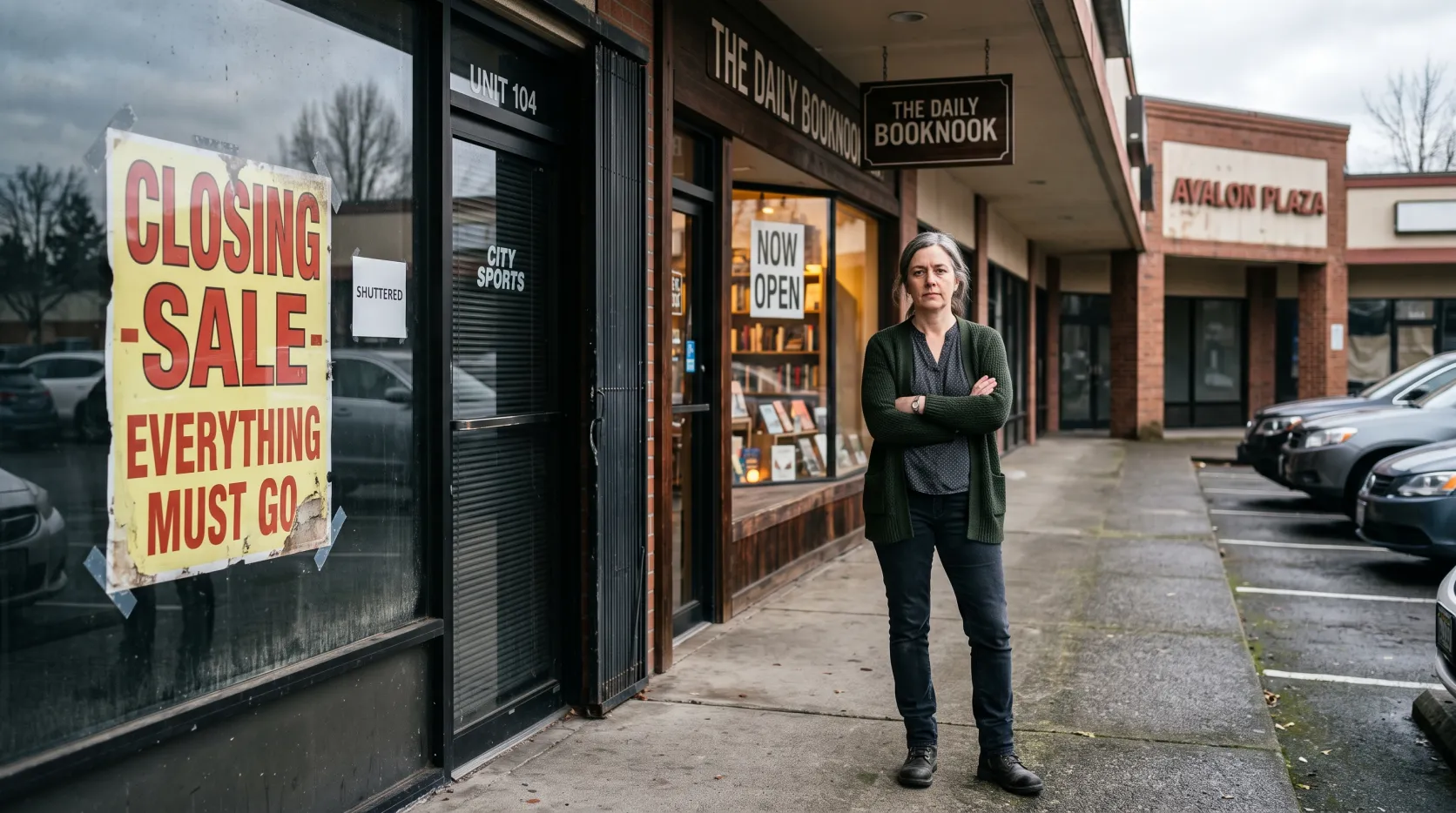
The headlines about 2026 US retail store closures sound like a crisis, with big names like Francesca's, GameStop, and Walgreens all closing locations this year. Look past the alarm and the data tells a calmer story: total closures are actually falling, and the real risk sits with a specific type of retailer, not the whole industry.
Quick answer
Coresight Research projects about 7,900 U.S. store closures in 2026, a 4.5% drop from 2025 and the lowest total in three years. The pain is concentrated in overleveraged, private equity-backed chains like Francesca's and Forever 21, while value and pharmacy retailers such as CVS and Dollar General are opening new stores.
Key takeaways
- Coresight projects roughly 7,900 U.S. store closures in 2026, down 4.5% from 2025 and the lowest count in three years.
- Retailers plan to open about 5,500 new U.S. stores in 2026, up 4.4% year over year.
- Forever 21's bankruptcy cited Chinese direct-to-consumer platforms using the de minimis exemption as the largest driver of $400 million-plus in losses.
- Private equity-financed debt loads, not just weak sales, sank chains like Francesca's and QVC Group.
- Value, off-price, and pharmacy chains are expanding into space left behind by discretionary apparel closures.
The Real 2026 Numbers Behind the Headlines
Coresight Research, the industry's most closely watched retail tracker, expects roughly 7,900 store closures across the United States in 2026. That is down 4.5% from 2025 and the smallest closure count in three years, according to CNBC.
2025 itself already showed the slowdown taking shape. Retailers shut 8,270 U.S. stores that year, down from 8,825 closures in 2024. The trend line points toward stabilization, not collapse.
GameStop and Walgreens also rank among the highest closure counts for 2026, alongside Francesca's. That spread across electronics, pharmacy, and specialty apparel shows this is not one struggling category dragging down the whole sector.
Openings are climbing too. Coresight expects around 5,500 new U.S. stores in 2026, up 4.4% year over year, which makes the net story closer to a reshuffle of retail real estate than a wholesale exit from physical stores.
For owners weighing whether to expand or hold steady, our business concepts hub breaks down the fundamentals worth revisiting before signing a new lease.
Who Is Actually Closing vs Who Is Opening
The closures are not evenly distributed. Discretionary mall apparel is absorbing most of the pain, while value, off-price, and pharmacy retailers are expanding into the space left behind.
| Retailers closing stores in 2026 | Retailers opening stores in 2026 |
|---|---|
| Francesca's, all roughly 400 U.S. locations | CVS, about 60 new locations |
| GameStop | Dollar General |
| Walgreens, fewer than 100 planned | Aldi |
| Carter's, about 100 of 150 planned | Off-price and value chains broadly |
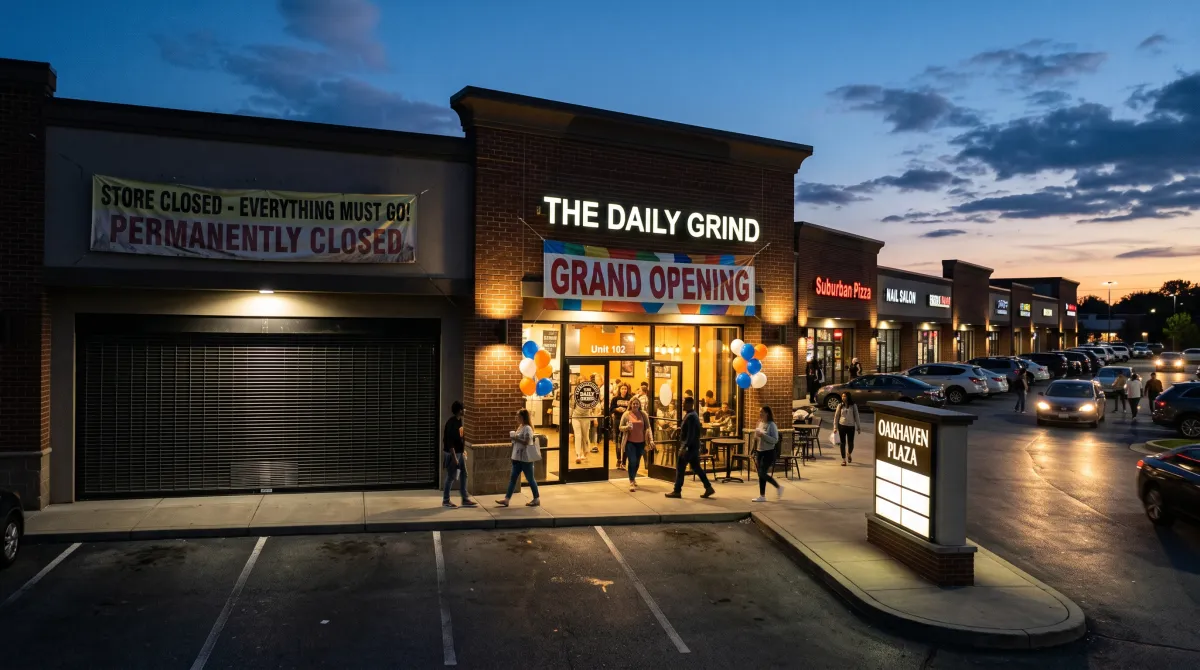
Fewer closures than last year is not the same as a healthy retail sector. It just means the weakest chains already left.
The New Threat: De Minimis Imports, Not Just Amazon
For years, owners blamed e-commerce broadly for lost foot traffic. Forever 21's 2026 bankruptcy points to something more specific: Chinese direct-to-consumer platforms using the de minimis exemption to ship goods duty-free and underprice U.S. retailers.
An analysis from MMC Investment found this dynamic was the single largest driver behind more than $400 million in losses at Forever 21 over three years. That is a distinct competitive threat from generic Amazon comparisons, and it changes what pricing and sourcing strategy needs to look like.
Owners selling apparel, accessories, or low-cost goods should assume ultra-cheap imports are a permanent fixture of the competitive landscape, not a temporary shock that fades on its own.
The Debt Trap Behind Names Like Francesca's and QVC
Bankruptcy filings in 2026 share a pattern: private equity-financed debt loads that left no room to absorb margin pressure. QVC Group filed for Chapter 11 on April 16, 2026, aiming to cut debt from $6.6 billion to $1.3 billion within about 90 days.
Linear TV shopping lost nearly 900,000 customers year over year, and QVC's leverage meant that decline was fatal rather than manageable. Overexpansion during cheap-money years, combined with heavy debt service, is the real story behind most 2026 closures.
West Marine offers another data point. Its closure list reached 91 stores by early August 2026, leaving about 200 locations across 34 states, according to a closure tracker that follows the sector in real time.
Borrowing costs matter here too. Understanding how financing benchmarks move, including the 10-year treasury yield, helps owners judge whether now is the moment to take on new store debt or hold steady.
The Real Estate Window Smart Owners Are Using
Commercial real estate supply is the tightest it has been since the 1990s. Owners who time expansion into vacancies left by Bed Bath & Beyond and Joann can often secure better lease terms than they could a few years ago.
That timing advantage will not last forever. As closures slow and openings rise, competition for the best remaining spaces will increase, narrowing the window for owners who are still deciding whether to act.
Owners without the balance sheet to move quickly should still track vacancy data in their target markets, since the best lease terms tend to go to whoever signs first.
What This Means for Your Store in 2026 and 2027
Three moves separate survivors from casualties. First, stress-test lease and debt commitments before adding square footage, rather than assuming past growth rates will continue.
Second, model tariff and import cost exposure directly into 2026 and 2027 budgets, instead of treating tariffs as a temporary disruption that will simply pass.
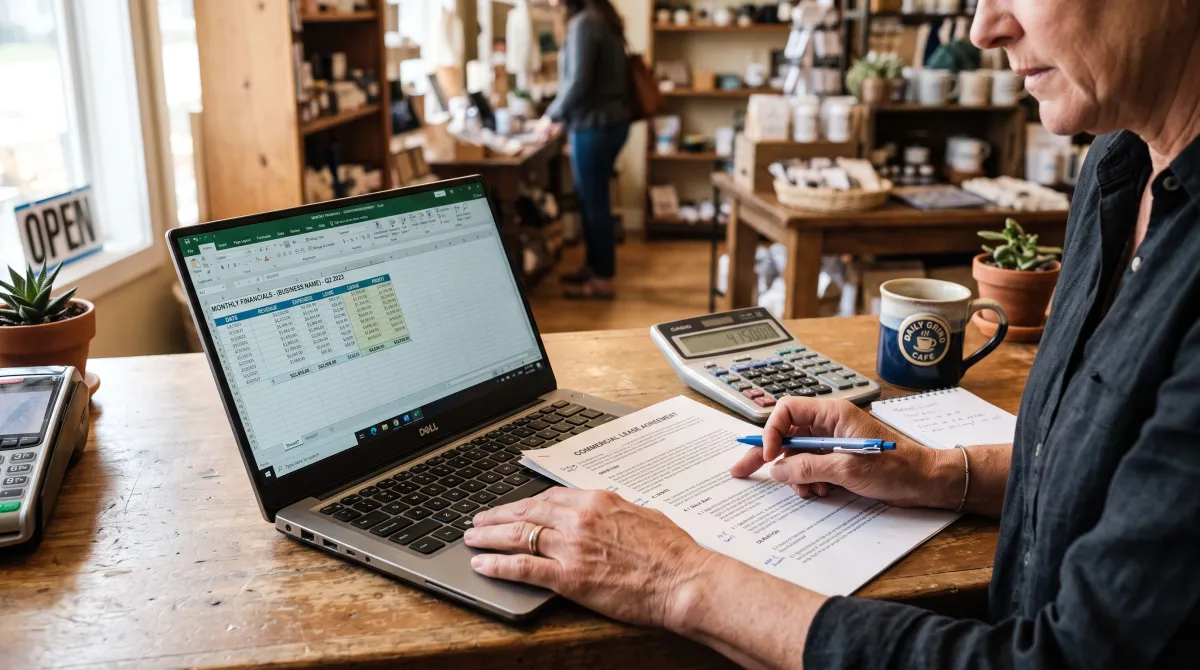
Third, know your break-even math cold. Running the numbers through a break-even point calculator before signing a new lease or opening a location can reveal whether the math works at current rents, labor costs, and import pricing pressure.
Owners in categories exposed to low-cost imports should also revisit supplier contracts and shipping terms now, before a bankruptcy filing elsewhere forces a rushed renegotiation.
Retailers in defensible niches, value, off-price, and pharmacy, are proving that positioning matters more than raw store count. The lesson for 2026 is not to fear physical retail. It is to enter it with clearer numbers than the chains that did not survive.
Frequently Asked Questions
Are 2026 retail closures a bigger crisis than previous years?
No. Coresight Research projects about 7,900 closures in 2026, down 4.5% from 2025 and the lowest total in three years, which points to a market reshuffle rather than a collapse.
Why are chains like Francesca's and Forever 21 filing for bankruptcy?
Overexpansion combined with private equity-financed debt loads left these chains without the balance-sheet flexibility to absorb margin compression, a pattern also seen at Joann in 2025.
Is Amazon the main reason U.S. stores are closing in 2026?
Not primarily. Forever 21's bankruptcy specifically cited Chinese direct-to-consumer platforms exploiting the de minimis exemption as the largest driver of its losses, a distinct threat from general e-commerce competition.
Which retail sectors are closing the most stores in 2026?
Discretionary mall apparel is hit hardest, while off-price, value, and pharmacy chains such as CVS, Dollar General, and Aldi are opening new stores.