Business Concepts
Ridge In Metalworking Nyt: Flash, Fin, or Burr Explained
Ridge in metalworking NYT means flash, the ridge of metal trimmed after casting. Learn what it costs shops and how it links to depreciation and margin.
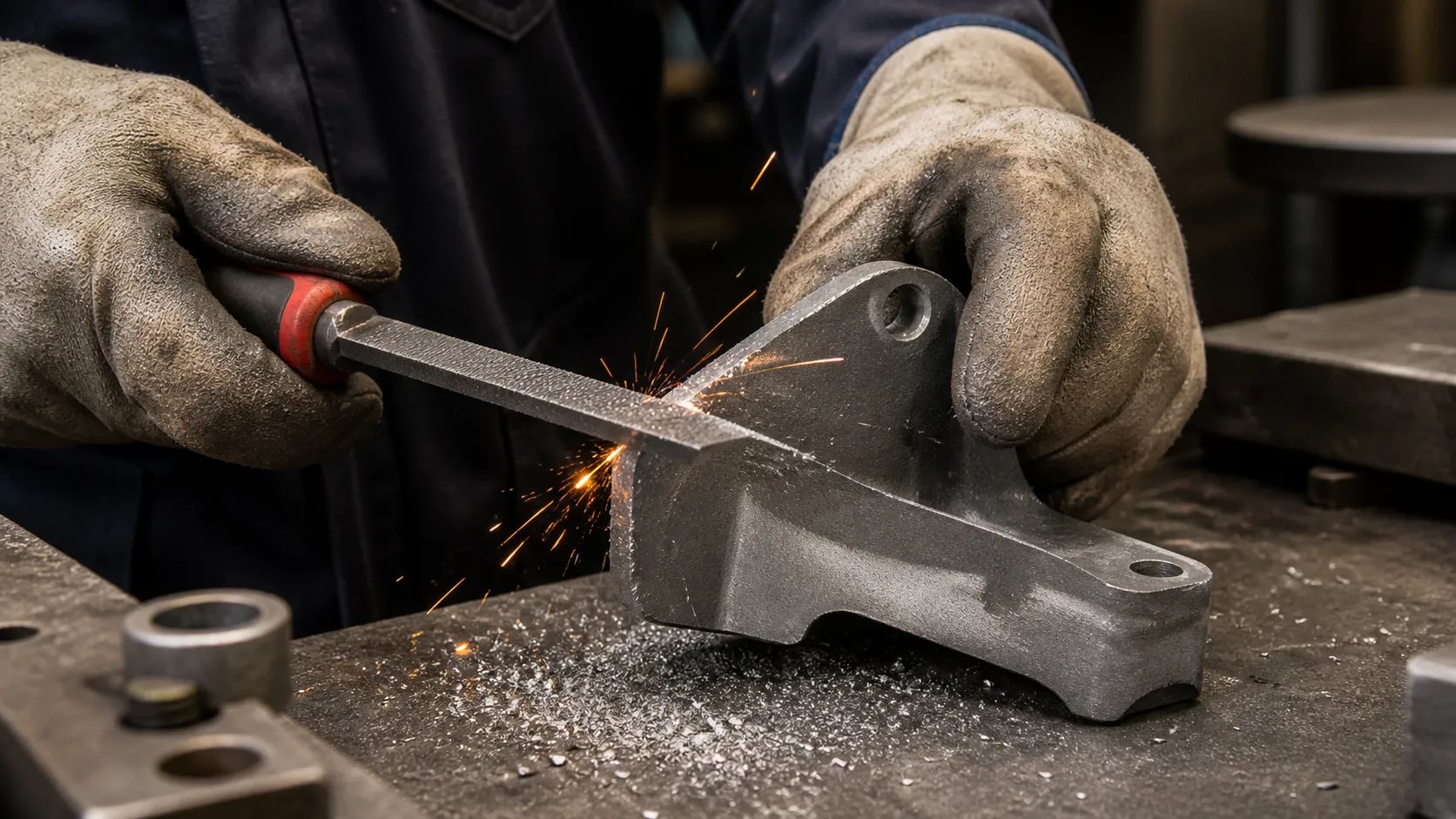
Ridge in metalworking nyt is the phrase crossword and trivia searchers use to find one specific answer: the raised seam of extra material left behind after casting, forging, or welding a metal part. That thin strip is usually called flash, fin, or burr depending on the process and the shop.
Quick answer
Ridge in metalworking nyt points to flash, the thin ridge of excess metal squeezed out along a mold or die seam during casting and forging. Machinists trim it off, and the labor and material waste it creates is a real cost line, not just a trivia answer.
Key takeaways
- Ridge in metalworking nyt usually points to flash, fin, or burr, the excess metal left along a seam after casting or forging.
- Trimming flash adds labor cost and scrap, which shows up directly in a shop's overproduction and waste numbers.
- The depreciation meaning matters here: tooling that produces more flash is often wearing out and losing value faster than the schedule assumes.
- The economies of scale definition explains why high volume runs absorb flash removal costs better than small batches do.
- Tracking cash flow, accounts receivable, and gross margin keeps flash related waste from quietly eating into profit.
What Is Ridge In Metalworking Nyt?
In plain metalworking terms, a ridge like this forms wherever two mold halves meet or wherever a die does not close perfectly. Molten or heated metal squeezes into that tiny gap, cools, and hardens into a thin fin along the part's edge.
Shops call it flash on castings, fin on extrusions, and burr on machined edges. Whatever the name, someone has to grind, file, or tumble it off before the part ships, and that step costs both time and money.
Crossword clues that reference this feature often pair the word ridge with metalworking or casting, and the grid length usually points solvers toward flash, fin, or burr as the intended answer.
Ridge In Metalworking Nyt Explained
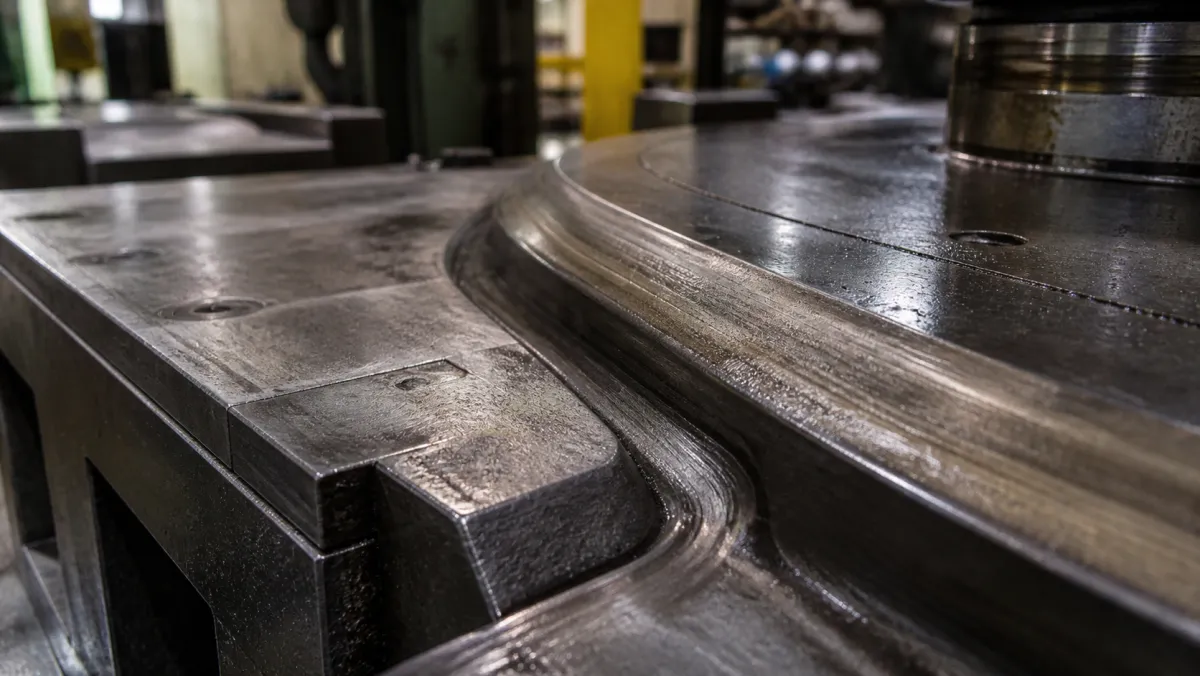
Flash is not just cosmetic. Every ridge left untrimmed represents wasted raw material, and across a full production run that waste can tip into overproduction, making more scrap or more parts than the line actually needs. Our business concepts hub breaks down terms like this one in plain language.
The tooling that stamps or casts these parts wears down with every cycle, and a worn die produces more flash, not less. That link is exactly what the depreciation meaning captures: an asset losing value through use, not just through age on a balance sheet.
The formal depreciation definition treats this wear as a scheduled expense, spread across the tool's useful life. Shops that run larger batches spread that expense over more parts, which is the practical side of the economies of scale definition: unit costs drop as volume rises.
The Business Numbers Behind Every Metal Part

Every batch of parts ties up cash in raw metal, labor, and scrap long before a customer pays for the finished piece. That gap between spending and collecting is the working capital definition in practice, current assets minus current liabilities, the cushion a shop needs to keep running.
Track that cushion week to week and you are watching the cash flow definition: money moving in and out of the business over a set period. A shop can look profitable on paper and still stall out if cash arrives too slowly.
Once parts ship, the invoice becomes an asset the business has not collected yet. That is the accounts receivable meaning in one line, and the accounts receivable definition on most balance sheets groups it with cash and inventory as a current asset.
Zoom out and the balance sheet definition is simply a snapshot of what a company owns, owes, and keeps as equity on a given day. The balance sheet meaning clicks once you stop reading it as a performance report and start reading it as a photograph of financial position.
Flash removal, rework, and scrap all eat into the gross margin definition, the percentage left after subtracting the cost of goods sold from revenue. The gross margin meaning is the clearest early warning a shop has, and ignoring it produces the same warning signs a struggling team shows before it fails.
A ridge of flash on a part is really a ridge in the margin line, and both get trimmed the same way: early, deliberately, and before the customer ever sees them.
Ridge In Metalworking Nyt Examples
A die caster running aluminum brackets finds flash along every seam because the die is nearing the end of its service life. Replacing it costs money now, but the depreciation schedule already accounted for that expense years earlier.
A forging shop producing steel brackets in batches of 50,000 spreads its tooling cost over enough parts that a little flash trimming barely dents the gross margin. A shop running batches of 500 feels the same flash cost far more per unit.
When quality problems from excess flash pile up, some buyers bring back a distributor or quality inspector they had cut out years before. Our guide to reintermediation and why middlemen return covers that pattern in more detail.
How to Apply Ridge In Metalworking Nyt
For puzzle solvers, the answer to remember is flash, fin, or burr depending on the clue's letter count and the process it references. For shop owners, the more useful move is tracking flash and scrap as a line item, not an afterthought.
Compare flash volume against your depreciation schedule every quarter. If flash is climbing while the tooling ages, that is a signal the die needs maintenance or replacement before it drags gross margin down further.
New die designs, better alloys, and automated trimming can all cut flash, but each comes with upfront cost and risk. Weigh those trade-offs the same way you would any other capital decision, which is exactly what our piece on the benefits and risks of innovation walks through.
Ridge In Metalworking Nyt: FAQ
What is a balance sheet example?
A simple balance sheet example lists cash, accounts receivable, and equipment under assets, then loans and unpaid bills under liabilities, with the difference between the two shown as owner's equity.
What is accounts receivable?
Accounts receivable is money customers owe a business for goods or services already delivered but not yet paid for, recorded as a current asset until it is collected.
What is working capital?
Working capital is current assets minus current liabilities, the cash and near cash a business has on hand to cover short term bills, payroll, and unexpected expenses.
What does a profit and loss statement example look like?
A typical profit and loss statement example starts with revenue, subtracts the cost of goods sold to show gross margin, then subtracts operating expenses to arrive at net profit for the period.
What is gross margin?
Gross margin is revenue minus the cost of goods sold, shown as a dollar amount or a percentage of revenue, and it measures how much a sale contributes before overhead is paid.
The lesson underneath the puzzle clue holds for the shop floor too. Small ridges of waste, whether in metal or in a budget, compound fast when nobody measures them, and the fix in both cases is the same discipline: trim early, track the numbers, and do not let a small edge case erode the margin.