Business Concepts
Latest Gadgets (2026): Specs, Costs, and Margins Explained
Latest gadgets grab headlines, but depreciation, overproduction, working capital, and gross margin decide if a launch makes money. See the real numbers.
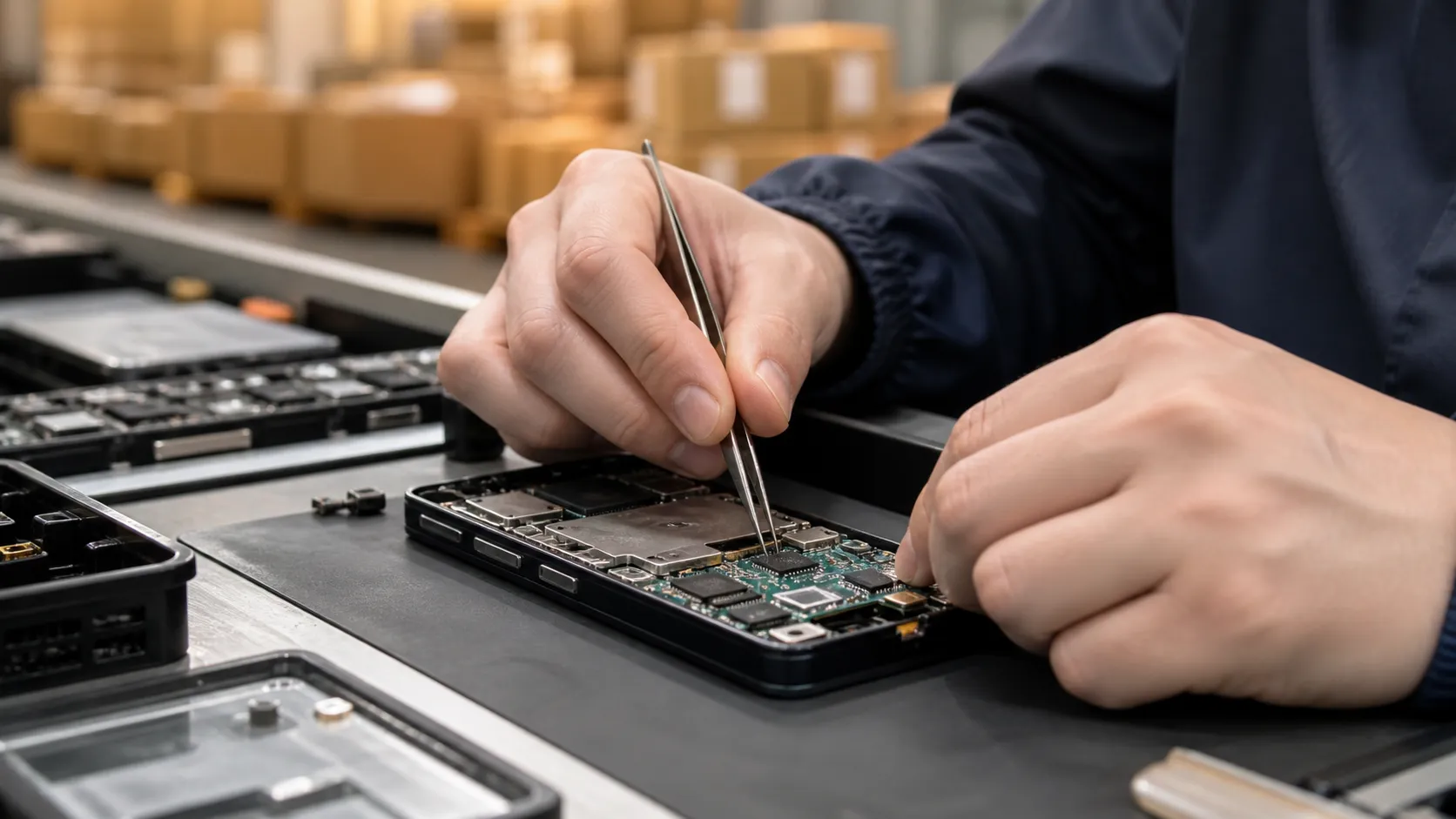
Every tech blog wants to tell you about the latest gadgets hitting shelves this year, from foldable screens to AI-powered wearables. What most coverage skips is the unglamorous accounting that decides whether any of those products actually make money.
Quick answer
Latest gadgets generate excitement, but the business case behind them rests on core accounting concepts: depreciation, overproduction risk, economies of scale, working capital, cash flow, and gross margin. Get those wrong and a hit product still loses money.
Key takeaways
- Depreciation spreads the cost of gadget-related equipment over its useful life instead of hitting the books all at once.
- Overproduction turns unsold inventory into a balance sheet problem, not a profit source.
- Economies of scale explain why the same gadget gets cheaper to build as order volume grows.
- Working capital and cash flow determine whether a company can fund a launch before revenue arrives.
- Gross margin shows how much profit survives after component and assembly costs.
What "Latest Gadgets" Means on a Company's Books
For a retailer or manufacturer, latest gadgets aren't just consumer excitement, they're line items. Every unit produced, shipped, or returned touches the balance sheet, the income statement, and the cash flow statement before a single review goes live.
That's why product launches sit inside our business concepts hub, alongside topics like pricing, margin, and inventory planning. Understanding the numbers behind a launch matters as much as understanding the specs.
Product development costs follow a similar pattern. Money spent designing a new gadget often gets capitalized rather than expensed immediately, then written off over several years as the product stays in production, which ties directly into how depreciation works below.
None of this shows up in a product review, but it shows up in whether the company funding that review's free sample is still around for the next model.
Latest Gadgets Explained: From Launch to Depreciation

The depreciation meaning is straightforward: it's the gradual loss of value in an asset, like manufacturing equipment or retail display units, spread over the years it stays useful. Companies don't expense a new assembly line in one shot.
The formal depreciation definition varies slightly by accounting standard, but the goal is consistent, as outlined in general depreciation accounting references: match the cost of long-lived assets to the periods that actually benefit from them, rather than front-loading the hit.
Most gadget categories follow a lifecycle: a launch surge, a plateau, then a decline as the next model arrives, and depreciation schedules for tooling and equipment are set to match that expected life, not wishful thinking.
Scale changes the math too. The economies of scale definition, as described in standard economics references, explains why the tenth million units of a gadget cost less per unit to build than the first ten thousand, since fixed costs like tooling and distribution partnerships get spread across more output.
Chasing every trend also carries risk. Our piece on the benefits and risks of innovation covers why being first to market with a new gadget category doesn't guarantee it survives past one product cycle.
Latest Gadgets Examples: Real Costs Behind the Buzz
Picture a startup launching a smart home device. It needs cash before the first sale ships, which is where the working capital definition comes in: current assets minus current liabilities, the cushion that funds payroll and parts while orders are still in transit.
The cash flow definition matters separately from profit on paper. A company can show a profitable quarter and still run out of cash if customers are slow to pay or inventory sits unsold in a warehouse.
When retailers buy gadgets on credit, that unpaid balance becomes an asset for the seller. The accounts receivable definition covers exactly that: money owed but not yet collected. In plain accounts receivable meaning terms, it's a promise of future cash, not cash in hand.
Aging that receivable matters too. A retailer who pays in 30 days is a very different risk than one stretching to 90, which is why finance teams track receivable aging alongside the raw balance.
Retailers watching a hot gadget category also track inventory turnover, how many times stock sells and gets replaced in a period, since slow turnover ties up working capital that could fund the next production run.

All of this eventually lands on one document. The balance sheet definition is a snapshot of what a company owns and owes at a single point in time. The balance sheet meaning for a gadget maker: unsold inventory, unpaid invoices, and factory equipment all sit there as assets until they convert to cash.
How to Budget for Latest Gadgets Without Overproducing
This is where overproduction becomes the real threat to a launch. Ordering enough units to chase a trend sounds safe, but unsold stock doesn't disappear, it turns into a write-down that erases margin months after the hype cycle ends.
Internal pressure makes this worse. Teams racing an unrealistic ship date often skip demand testing entirely, a pattern close to the signs you're being set up to fail at work, where deadlines outrun the planning needed to hit them safely.
The number that ties it together is margin. The gross margin definition is revenue minus cost of goods sold, divided by revenue. Gross margin meaning in gadget terms: how much profit survives after paying for chips, screens, batteries, and assembly labor.
A realistic budget forecasts demand conservatively, stages production in smaller batches, and revisits the numbers every few weeks instead of locking in one large order months before launch, leaving room to scale up if a gadget outperforms expectations or scale down if it doesn't.
Safety stock helps bridge the gap between conservative forecasting and sudden demand spikes. Keeping a small buffer of extra units covers unexpected sales bursts without committing to the large upfront batch that creates overproduction risk if demand falls short.
After launch, smart teams run a 30-day sales review against the original forecast, adjusting the next production batch instead of assuming the first estimate was right.
A hit product with the wrong production run still loses money. Demand forecasting matters more than the launch date.
The takeaway for anyone comparing the latest gadgets side by side: specs sell the story, but margin, cash flow, and disciplined production decide whether that story has a sequel.
Latest Gadgets FAQ
What are some balance sheet examples?
A balance sheet example lists assets like cash, inventory, and equipment on one side, and liabilities like loans and accounts payable on the other, with the difference showing up as owner's equity.
What is accounts receivable?
Accounts receivable is money a company is owed by customers who bought on credit but haven't paid yet, recorded as an asset on the balance sheet until it's collected in cash.
What is working capital?
Working capital is current assets minus current liabilities, the short-term cash and near-cash a business has available to cover day-to-day costs like payroll, parts, and inventory.
What do profit and loss statement examples show?
A profit and loss statement example lists revenue at the top, subtracts costs and expenses line by line, and ends with a net profit or loss figure for the period.
What is gross margin?
Gross margin is revenue minus the cost of goods sold, expressed as a percentage of revenue, showing how much profit is left before operating expenses are subtracted.