Workplace & Career
Is Electric Utilities Central A Good Career Path (2026)
Is electric utilities central a good career path? See real pay, entry routes, and certifications that decide advancement in this field.
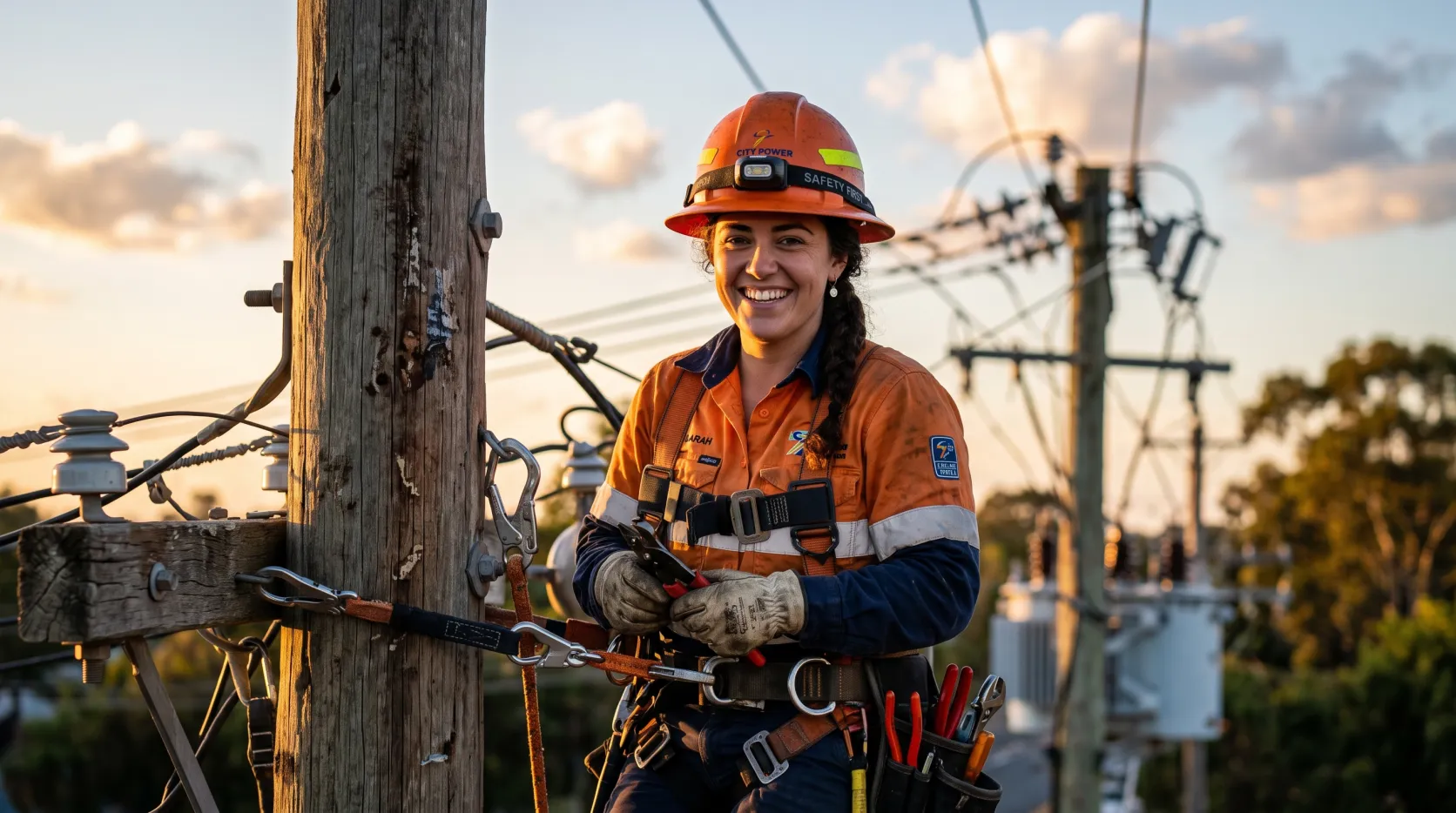
Is electric utilities central a good career path? For most workers who like hands-on technical work, steady demand, and strong union pay, yes. The field covers power generation, transmission, distribution, and grid maintenance, and it rarely runs short of openings because the lights cannot go off.
Quick answer
Electric utilities central is a solid career path for people who want job security, above-average pay without a four-year degree, and clear advancement through licensing and experience. It is less ideal if you dislike physical work, outdoor shifts, or on-call rotations.
Key takeaways
- Median pay for line workers and plant operators beats the national wage average.
- Most entry roles need a high school diploma plus an apprenticeship, not a college degree.
- Career development in the workplace here runs through certifications, not just tenure.
- Physical demands and weather exposure are real trade-offs to weigh.
- Demand stays steady because utility infrastructure is essential and aging.
What Is Is Electric Utilities Central A Good Career Path?
"Electric utilities central" describes the core operations side of a power utility: generation plants, substations, transmission lines, and distribution crews. When people ask if it is a good career path, they usually mean pay, stability, and room to grow.
Career development definition matters here because it is not abstract. In this industry, career development meaning translates directly into wage bumps: each new certification or journeyman level raises your pay grade on a fixed schedule.
If you are weighing this against other paths, the workplace career hub breaks down comparable options across office and technical settings, so you can see how the trade-offs stack up before committing to an apprenticeship.
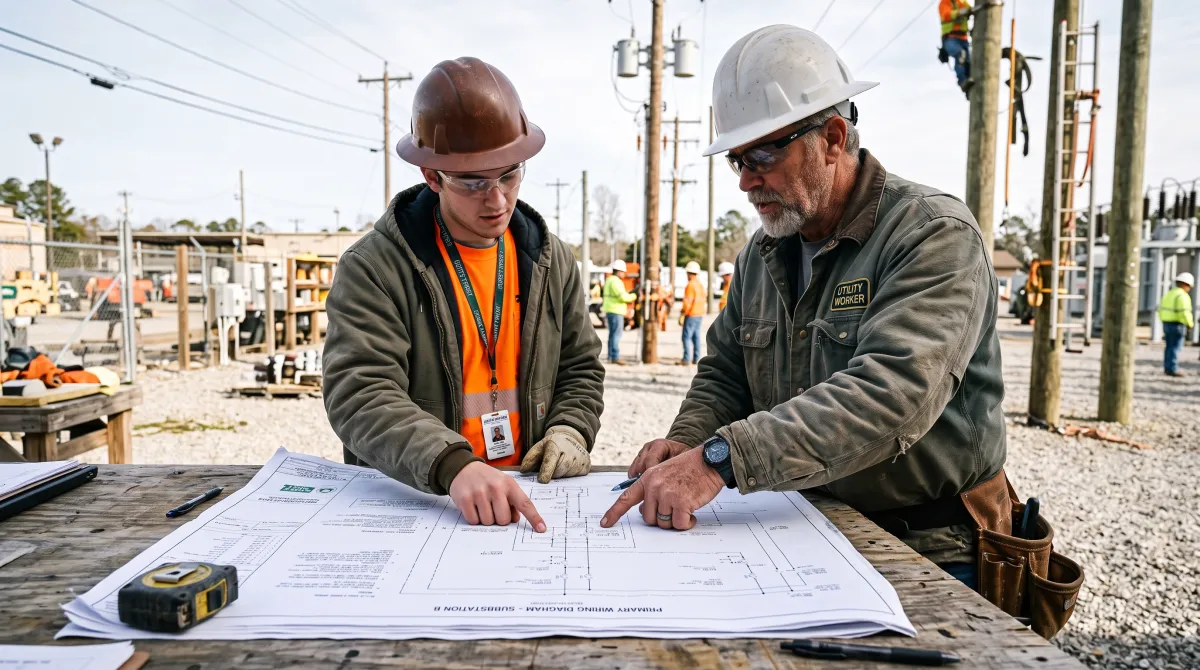
That structure is different from many white-collar fields, where career development strategies depend on manager discretion. Utility pay ladders are published, union-negotiated, and predictable.
Employers also vary in ways that shape your path: investor-owned utilities tend to offer the widest specialist tracks, municipal utilities often move faster on promotions due to smaller staff, and rural co-ops give broader hands-on exposure earlier in a career.
Is Electric Utilities Central A Good Career Path Explained
Entry points include lineworker apprenticeships, plant operator trainee roles, meter technician jobs, and substation electrician tracks. Most start around $45,000 to $55,000 and climb past $90,000 once fully licensed in high-voltage or generation roles.
According to the U.S. Bureau of Labor Statistics, electrical power-line installers and repairers earn a median wage well above the national average, with job growth projected to keep pace with grid modernization spending.
Types of career development in this sector split into three lanes: technical (certifications and licenses), supervisory (crew lead, foreman), and specialist (protection and control, SCADA, renewable integration). Picking a lane early shapes your training path.
Benefits of career development show up fast: fewer utilities than most industries lay off during recessions, since the grid still needs maintenance regardless of the economy. Pension and union benefits also remain more common here than in most private sectors.
Day-to-day work varies by role. Line crews handle rotating shifts, mandatory overtime during storms, and outdoor conditions in heat, cold, and rain. Plant operators typically work fixed shift rotations inside a control room, with less weather exposure but strict alertness requirements during monitoring windows.
Is Electric Utilities Central A Good Career Path Examples
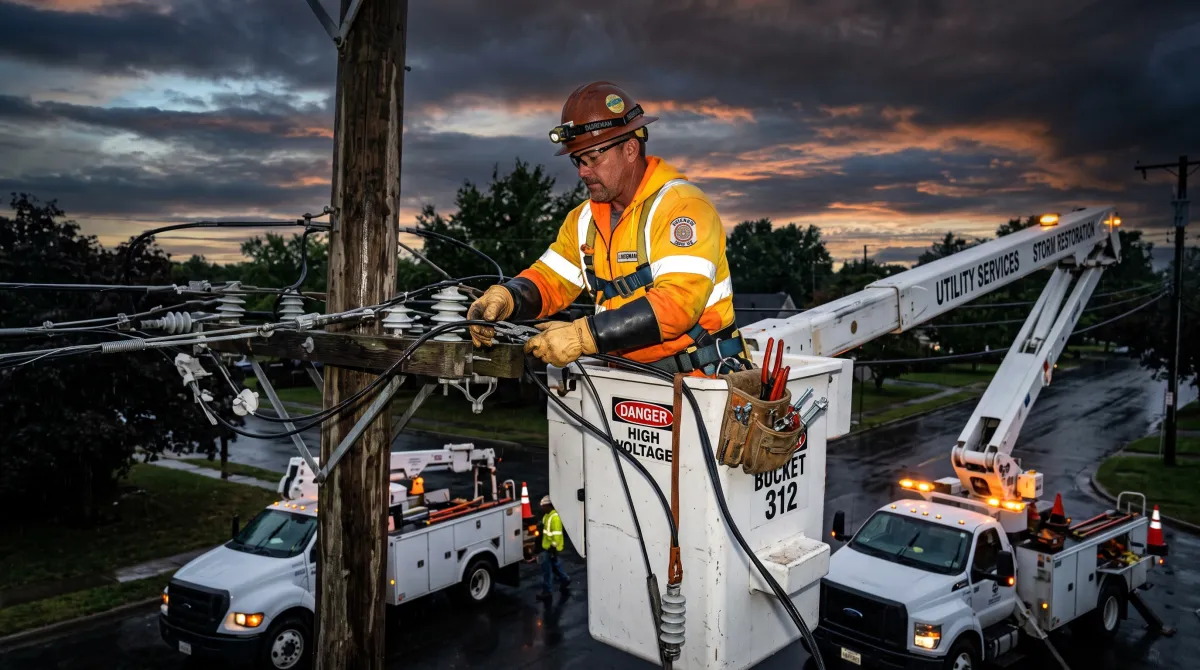
A lineworker apprentice starts at $22 an hour, completes a four-year program, and exits as a journeyman lineman earning $45 an hour plus overtime during storm response. That is career development in the workplace in its most direct form: time plus tested skill equals pay.
A plant operator trainee at a natural gas peaker plant studies for NERC certification exams, moves to shift supervisor in five to seven years, and can later transfer into compliance or training roles. Each step is documented, not guessed at.
A meter technician who adds smart-grid and cybersecurity coursework can move into grid modernization teams, where utilities are investing heavily through 2026 and beyond.
A substation electrician who later earns an associate degree in electrical engineering technology can transition into protection and control engineering, a track that pays more and relies less on outdoor fieldwork over time.
How to Apply Is Electric Utilities Central A Good Career Path
Career development skills that matter most: electrical theory, reading schematics, safety protocol discipline, and comfort with physical, outdoor work in all weather. Soft skills like clear radio communication and crew coordination also get you promoted faster.
Career motivators in this field tend to be concrete: overtime pay during outages, clear seniority rules, and visible technical mastery rather than vague titles. If you are driven by predictable rules and tangible skill growth, that fit matters more than the paycheck alone.
A lineworker who chases outage overtime every storm season is optimizing for one motivator. A plant operator studying for NERC certification exams is optimizing for another. Neither approach is wrong if it matches what actually keeps you engaged on the job.
Career development best practices: join the apprenticeship union early, stack certifications instead of waiting for tenure, and ask senior linemen directly what track they recommend. Utilities reward people who plan their ladder instead of drifting.
Career development techniques that work here include shadowing a mentor before applying, taking OSHA 10/30 safety courses ahead of hiring, and tracking which certifications your target utility actually pays extra for.
Career development interview questions in utilities focus on safety judgment and hands-on scenarios: expect "walk me through how you would de-energize a line" more than "where do you see yourself in five years." Prepare with specifics, not platitudes.
Common career development mistakes: skipping safety certifications to save time, staying in one narrow role too long, and ignoring supervisory training because the field pay looks fine already. Both cost you options later.
Long-term outlook also favors this path. Utilities are replacing an aging workforce nearing retirement while investing billions in grid modernization and renewable integration, which keeps apprenticeship classes full and overtime plentiful for the next decade.
Over a full career, the gap between someone who stacks certifications early and someone who waits is often ten years of pay grade. Utilities track credentials on paper, so delayed training shows up directly in a smaller paycheck.
In utilities, your pay grade is a paper trail of certifications, not a performance review score.
Compare this to office roles, where promotion often depends on subtle signals rather than a published pay ladder.
If your current job feels political instead of merit-based, it is worth reading about how workplace jealousy distorts advancement before you decide utilities are the fix.
And if you are unsure how to frame your existing experience for a utility apprenticeship interview, see how to explain in what capacity you know a reference or candidate when your background is nontraditional.
Is Electric Utilities Central A Good Career Path: FAQ
What is career development?
Career development is the ongoing process of building skills, certifications, and experience that move you into higher-paying or higher-responsibility roles over time.
Career development examples?
Examples include completing a lineworker apprenticeship, earning a NERC operator certification, or moving from meter reader to grid modernization technician.
Why is career development important?
It is important because it directly ties your effort to pay and job security, especially in fields like utilities where certifications set your wage grade.
How to improve career development?
Stack relevant certifications early, find a mentor in your target role, and ask your employer which credentials qualify for pay increases.
How does career development work?
It works through a defined sequence: entry training, supervised experience, certification exams, and then wage or title advancement tied to each milestone.