Leadership
Grocery Mergers Explained: The Consolidation Playbook
Kroger buys Giant Eagle for $1.65B. Here's how grocery consolidation really works, why this deal is defensible, and how to read the next merger headline.
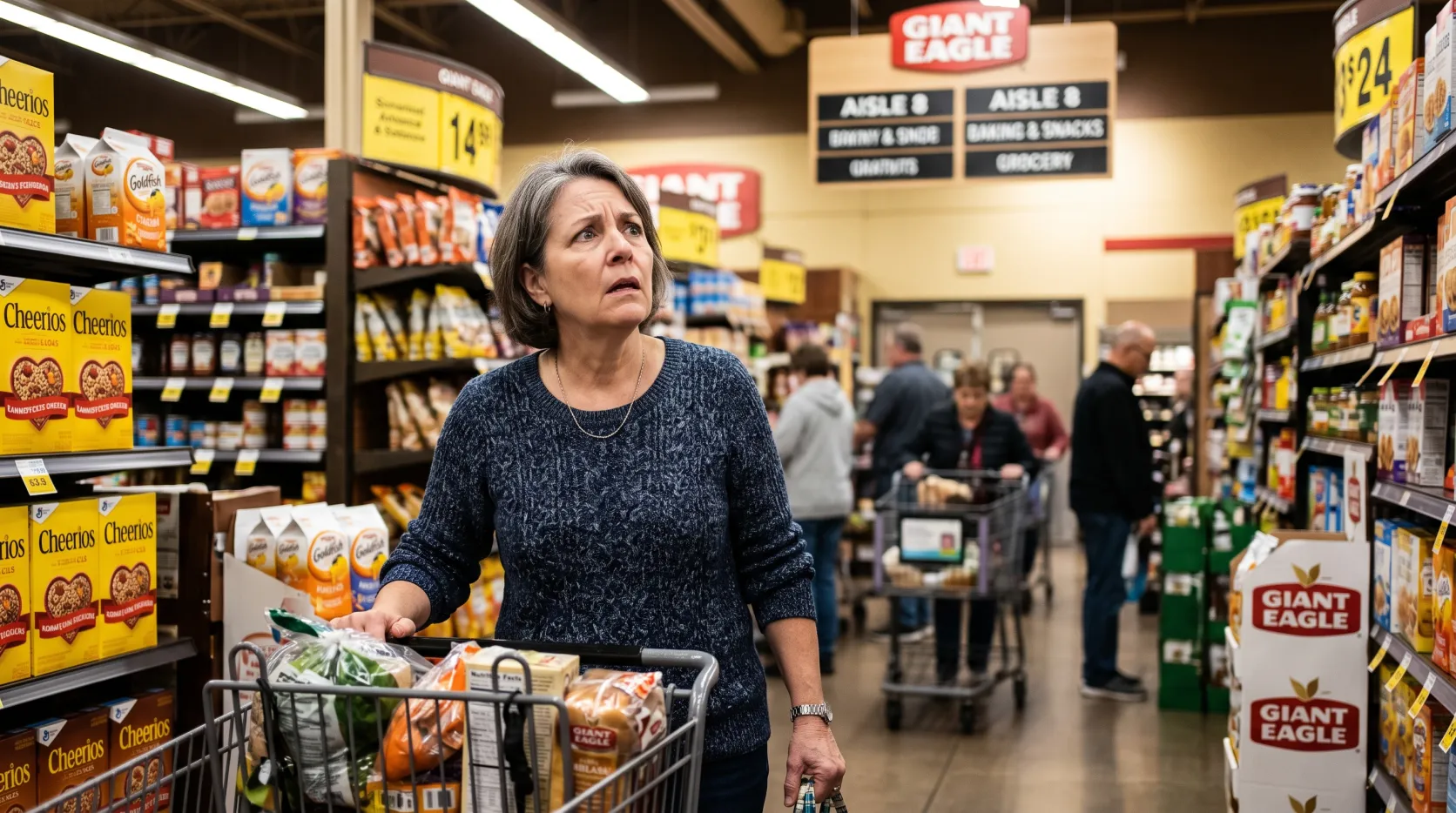
The news that Kroger buys Giant Eagle for $1.65 billion is more than a Pittsburgh story. It is a live case study in how grocery consolidation actually works, and why some deals sail through while others die in court.
Quick answer
Kroger agreed on July 1, 2026 to acquire Giant Eagle for $1.65 billion, structured as $1.25 billion cash plus roughly $400 million in assumed liabilities. The deal works because it expands Kroger into adjacent markets rather than swallowing a direct national rival, the exact structure that keeps antitrust regulators calmer.
Key takeaways
- The deal values Giant Eagle at $1.65 billion and is expected to close in 2027, pending regulatory review.
- Giant Eagle keeps its name, its Cranberry Township headquarters, and its myPerks loyalty program as a Kroger division.
- It is Kroger's first major acquisition since the $25 billion Albertsons merger collapsed in 2024.
- Adjacent-market expansion plus limited store divestitures is the defensible consolidation playbook.
What the Kroger Giant Eagle deal actually is
On July 1, 2026, Kroger announced a definitive agreement to buy Giant Eagle, a family-owned food and pharmacy retailer with about $9 billion in annual sales. The structure is $1.25 billion in cash plus the assumption of roughly $400 million in liabilities.
Giant Eagle runs around 197 supermarkets and 11 standalone pharmacies. Its footprint spans northern Ohio, western Pennsylvania, West Virginia, Maryland, and Indiana. The chain sits on 95 years of local family ownership.
This is a textbook acquisition, one of the core business concepts every operator should be able to read on sight. For scale, Kroger already runs roughly 2,700 supermarkets and about 2,200 pharmacies across 35 states. Adding Giant Eagle is a bolt-on, not a merger of equals.
The brand survives the sale. Giant Eagle keeps its name, its Cranberry Township headquarters near Pittsburgh, and its Market District and pharmacy banners as a division of Kroger. That continuity is not sentimental. It is strategy.
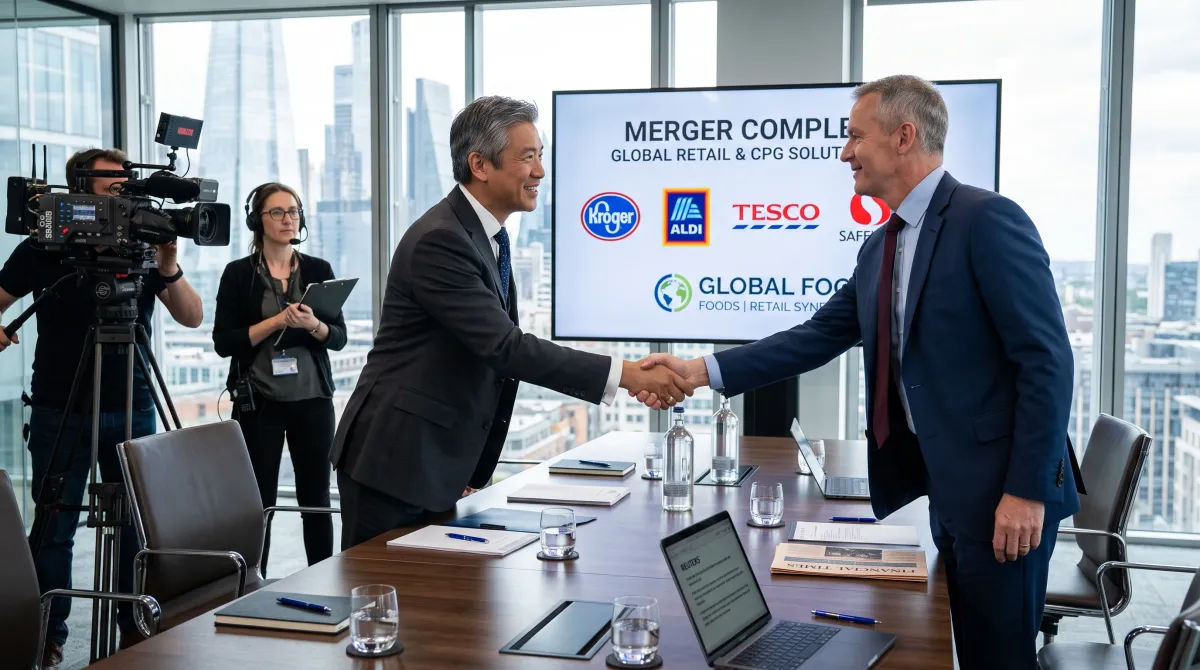
Why big chains buy regional grocers
A national grocer has two ways to grow: build stores slowly, or buy scale overnight. Acquisition buys market entry, loyal customers, and pharmacy infrastructure in one move.
Kroger is not consolidating a competitor here. It is entering adjacent territory, returning to the Pittsburgh area four decades after it left. New CEO Greg Foran, a former Walmart executive, called the strategic fit clear.
This is the difference between horizontal and geographic expansion. Buying a direct rival shrinks the number of choices shoppers have. Buying into a new region does the opposite, adding a competitor where Kroger had none.
Buying an adjacent market rarely triggers the antitrust alarm that buying a direct rival does.
The competitive pressure is real. Walmart, Amazon, and Aldi keep pulling price-sensitive shoppers. Traditional grocers buy scale to defend margins and purchasing power against discounters that trade on cost.
The synergies that justify the price
The value case rests on combination. Giant Eagle brings a strong loyalty program and pharmacy network. Kroger brings digital personalization, data capabilities, and national buying power.
Together, that means better private-label economics, deeper vendor leverage, and a wider store base to spread fixed costs. Scale is the whole point of grocery consolidation.
There is a financing angle too. Deals of this size lean on the cost of borrowing, which tracks benchmark rates like the 10-year Treasury yield. Cheaper debt makes cash acquisitions easier to justify to a board, and a $1.25 billion cash outlay is a real test of that math.
The Albertsons lesson every operator should learn
Kroger already lived through the cautionary tale. Its $25 billion merger with Albertsons collapsed in 2024 after courts in Oregon and Washington blocked it.
That deal joined two direct national rivals. The overlap was obvious, and regulators treated it as a threat to competition and prices. The Giant Eagle approach is the opposite: adjacent markets, limited overlap, far easier to defend.
The contrast is the whole lesson. One deal removed a competitor from a market. This one adds a player to a region Kroger had abandoned. Regulators read those two stories very differently.
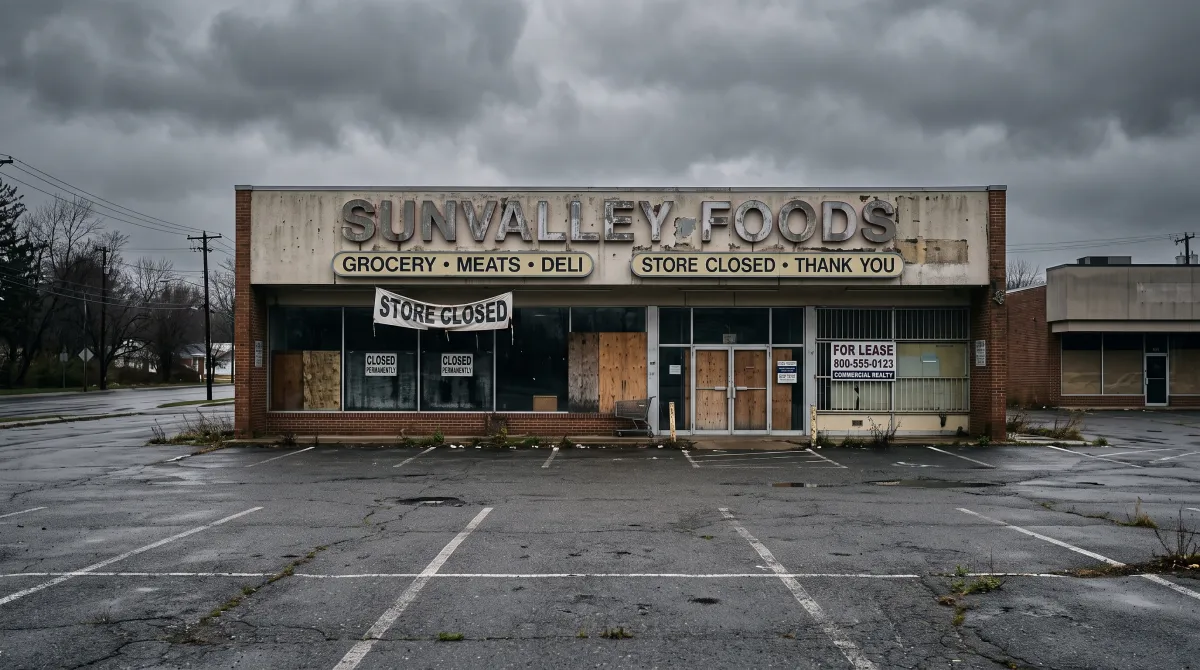
Divestiture as a remedy, and why it can fail
When a merger raises antitrust concerns, companies often promise to sell off stores. That is a divestiture, a remedy designed to preserve competition in overlapping areas.
The Albertsons case exposed the trap. Courts judged that the stores being divested would not realistically compete against the combined giant. A weak remedy is no remedy at all.
The mechanics matter here. A divestiture only satisfies regulators if the buyer of the cast-off stores can genuinely compete, with the scale, supply chain, and capital to survive. Managers designing any remedy should stress-test that buyer before promising it.
For Kroger and Giant Eagle, the plan is limited divestitures only where necessary. Because the market overlap is small, the remedy has a better chance of holding up under Hart-Scott-Rodino antitrust review.
How to read any grocery merger going forward
Use this deal as a template. When the next consolidation headline lands, ask four questions that separate a defensible deal from a doomed one.
| Signal | Defensible deal | Regulatory risk |
|---|---|---|
| Market overlap | Adjacent markets | Direct national rivals |
| Divestitures | Limited, viable buyers | Heavy, weak buyers |
| Brand plan | Retained for loyalty | Absorbed and erased |
| Strategic story | Expansion into new turf | Removing a competitor |
The Kroger Giant Eagle deal checks the defensible column on all four. Wall Street stayed cautious, with Kroger shares dipping in premarket trading, and the company still litigates a $600 million termination fee dispute with Albertsons in Delaware.
Brand continuity is doing quiet work here. Keeping the Giant Eagle name protects customer loyalty, and loyalty is an asset courts weigh when judging whether shoppers keep real choices. How a company presents itself, from banners to corporate affiliations, shapes how regulators and customers read intent.
Related guides
Frequently asked questions
Why do big chains buy regional grocers instead of building stores?
They buy for speed and defensibility. Kroger used the Giant Eagle acquisition to enter adjacent Mid-Atlantic and Northeast markets rather than consolidate a direct competitor, an angle that sidesteps antitrust objections while adding scale instantly.
What are the key synergies in the Kroger Giant Eagle deal?
The synergies combine Giant Eagle's loyalty and pharmacy strength with Kroger's digital and personalization capabilities, plus greater purchasing power and economies of scale across a larger store base.
What is the main M&A lesson from the failed Albertsons merger?
Merging two direct national rivals with heavy overlap invites regulatory blocking. Expanding into adjacent markets with limited divestitures, as Kroger is doing with Giant Eagle, is far more defensible in court.
How does divestiture work as an antitrust remedy?
Divestiture means selling off overlapping stores to preserve competition. In the Albertsons case, courts ruled the divested stores could not realistically compete, so managers must ensure any remedy creates a genuinely viable competitor.