Business Concepts
Eco Friendly Products (2026): The Real Cost Breakdown
Eco friendly products cost more upfront and change depreciation, working capital, and gross margin. See the real numbers before you switch suppliers.
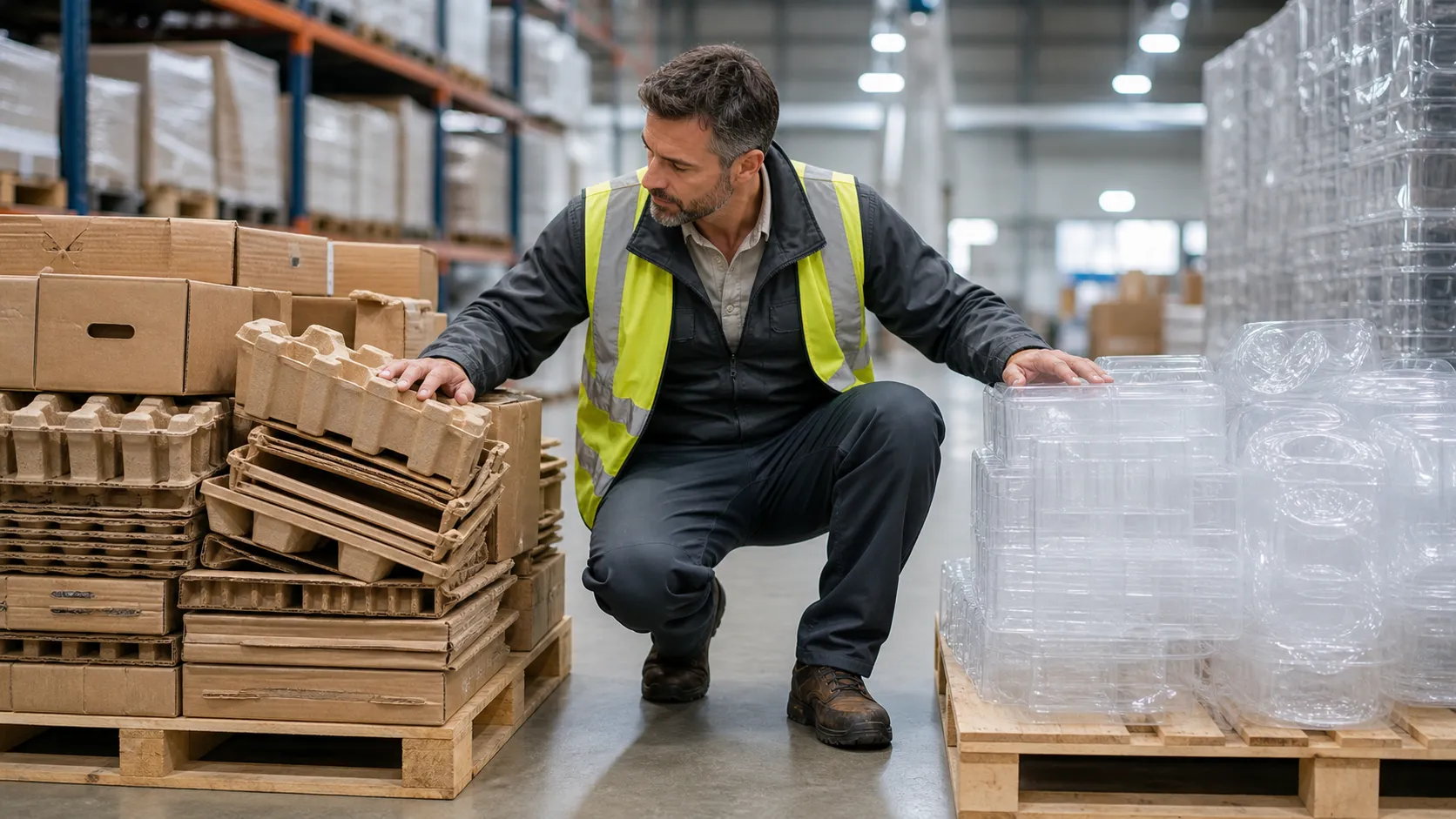
Eco friendly products show up on almost every procurement list now, from recycled packaging to low-flow fixtures. The pitch sounds simple: buy greener, save money, look good to customers. The accounting behind that pitch is not simple at all, and skipping it is how sustainability budgets get killed in the next board meeting.
Quick answer
Eco friendly products are goods and materials designed to reduce environmental impact across sourcing, use, and disposal. For a business, the real decision is financial: eco friendly products usually cost more upfront, change the depreciation schedule on new equipment, and shift working capital and cash flow before they improve gross margin.
Key takeaways
- Eco friendly products lower long-term waste and compliance risk, but most cost more per unit than conventional alternatives.
- Equipment bought for sustainable production follows normal depreciation rules, it does not get written off faster just because it is green.
- Overproduction is the most expensive form of waste eco friendly sourcing is meant to fix, not the packaging itself.
- Economies of scale bring eco friendly product costs down fast once volume passes a threshold, so pilot programs often look worse than the mature program.
- Track the switch against working capital, cash flow, and gross margin, not just the sticker price of the product.
What Is Eco Friendly Products?
Eco friendly products are items designed, sourced, or manufactured to reduce harm to the environment compared with a standard alternative. That can mean recycled materials, biodegradable packaging, lower energy use in production, or a supply chain with a shorter transport footprint.
For an operator, the label matters less than the tradeoff behind it. Every eco friendly product decision is really a cost, quality, and timing decision dressed up as a values statement. For a broader look at how operators define terms like this, see our business concepts glossary.
Eco Friendly Products Explained
Most businesses meet eco friendly products through capital purchases: solar panels, energy-efficient HVAC, electric delivery vehicles, or new packaging machinery. These are fixed assets, and fixed assets depreciate, which is a decision with real tradeoffs like the ones covered in benefits and risks of innovation.
Depreciation meaning, in plain terms, is the accounting method that spreads the cost of an asset over its useful life instead of expensing it all at once. Depreciation definition under most standards ties the schedule to the asset's expected life, not to how sustainable it is.
That distinction trips people up. A company does not get to depreciate a solar array in one year just because it cuts emissions. It follows the same five, seven, or fifteen year schedule as any other equipment class, which means the cash outlay happens now but the expense hits the books slowly.
Eco Friendly Products Examples
Packaging is the most visible category: compostable mailers, recycled cardboard, and reduced plastic fill. Office supplies follow close behind, with refillable pens, recycled paper, and LED lighting retrofits.
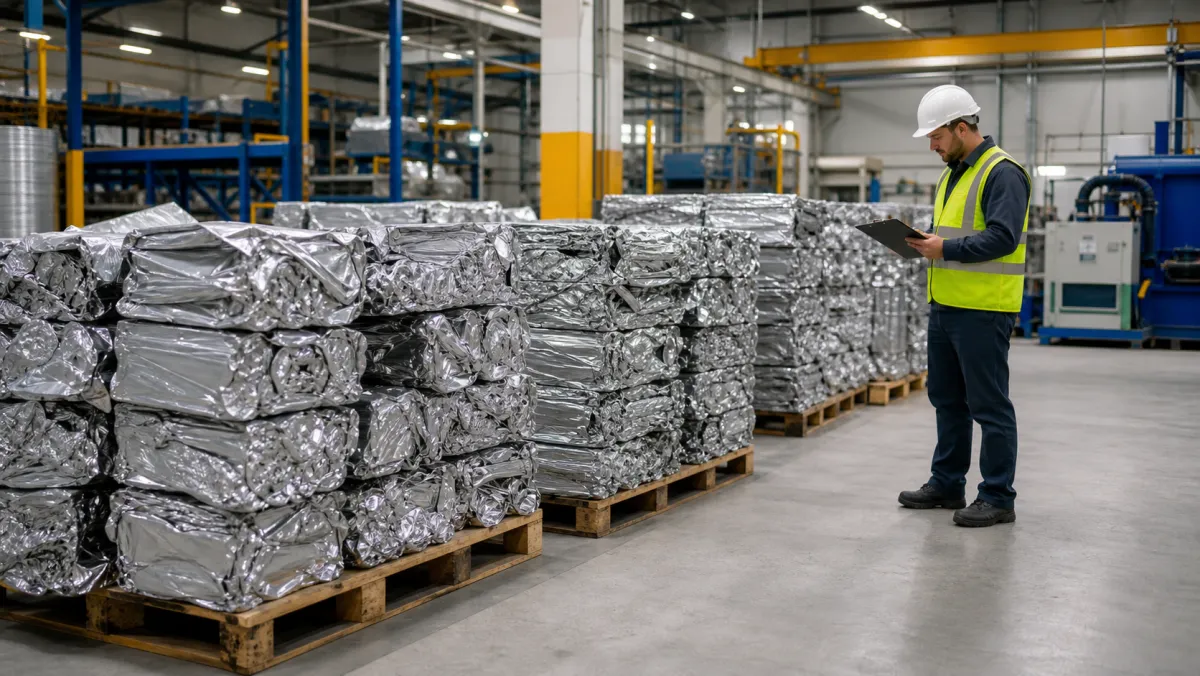
Manufacturing is where the bigger numbers live. Switching to recycled aluminum or reclaimed wood cuts raw material costs once volume is high enough, and it reduces overproduction, the practice of making more units than demand justifies just to hit a minimum order quantity.
Overproduction is expensive twice: once in the raw material and labor wasted on units nobody buys, and again in the storage or disposal cost of unsold inventory. Eco friendly sourcing programs that target overproduction directly tend to pay back faster than programs that only swap materials. Restructuring a supplier chain around this goal touches the same ground as reintermediation.
Economies of scale definition explains why a 500-unit pilot of eco friendly packaging looks expensive while a 50,000-unit order from the same supplier does not. This cost advantage from higher production volume means fixed costs like tooling and certification spread across more units, so the per-unit premium for eco friendly materials shrinks as volume grows.
| Stage | Conventional packaging | Eco friendly packaging |
|---|---|---|
| Pilot (500 units) | $0.42/unit | $0.71/unit |
| Mid volume (10,000 units) | $0.31/unit | $0.39/unit |
| Scale (50,000+ units) | $0.24/unit | $0.27/unit |
Numbers vary by supplier and material, but the pattern holds across most eco friendly product categories: the gap narrows fast once a company clears the pilot stage.
The Financial Case for Eco Friendly Products
Before approving a switch, run it through the same four numbers used for any capital decision.
Working capital definition: the cash and short-term assets available to run daily operations after short-term liabilities are paid. Eco friendly products with longer lead times or higher minimum orders can lock up working capital for weeks longer than a conventional supplier would.
Cash flow definition matters just as much. A supplier switch that improves margin on paper can still hurt a business if payment terms tighten or upfront deposits grow, because cash flow tracks when money actually moves, not when a sale is recorded.
Accounts receivable definition and accounts receivable meaning both point to the same thing: money customers owe for goods already delivered. If eco friendly products allow a premium price, make sure that premium collects on time, or it just becomes a bigger number sitting in receivables instead of cash in the bank.
Balance sheet definition and balance sheet meaning cover the snapshot of what a company owns and owes at a given date. New equipment for sustainable production adds an asset and often a liability if it is financed, so the balance sheet shifts before the depreciation schedule even kicks in.
Gross margin definition and gross margin meaning both describe revenue minus the direct cost of goods sold, divided by revenue. Eco friendly products usually raise cost of goods sold at first. The switch only pays off once volume, pricing, or waste reduction pushes gross margin back above where it started.
Eco friendly products are not a marketing line item. They are a capital decision that shows up on every financial statement a company runs.
How to Apply Eco Friendly Products
Start with the highest-waste category first, usually packaging or energy, and get a real quote at actual volume rather than a pilot quantity. Pilot pricing almost always looks worse than production pricing.
Model the depreciation schedule for any equipment purchase before signing, and check it against existing balance sheet capacity. Finance teams reject green projects more often for cash timing than for the sustainability case itself.
Set a 12-month checkpoint on gross margin and working capital, not just a satisfaction survey. If the numbers have not moved by then, renegotiate the contract or the volume commitment before renewing.
Loop procurement, finance, and operations into the same conversation from the start. Eco friendly product decisions made in one department and reviewed by finance afterward are the ones that get reversed a year later.
Eco Friendly Products: FAQ
What are balance sheet examples for a company adopting eco friendly products?
A common example is a new equipment line, like solar panels or an electric delivery van, listed as a fixed asset alongside any related loan listed as a liability, with the net effect showing up in owner's equity.
What is accounts receivable?
Accounts receivable is the money customers owe a business for products or services already delivered but not yet paid for, tracked as a current asset on the balance sheet.
What is working capital?
Working capital is current assets minus current liabilities, the cash and near-cash resources a business has on hand to cover day-to-day operations.
What do profit and loss statement examples show for a switch to eco friendly products?
A profit and loss statement would show a higher cost of goods sold line in the first period after the switch, followed by improved margin once volume pricing or waste reduction kicks in.
What is gross margin?
Gross margin is revenue minus the direct cost of goods sold, expressed as a percentage of revenue, and it measures how much a company keeps from each sale before overhead.