Business Concepts
Business Account Guide (2026): Chase vs Online Banks
Open a business account in 2026: compare Chase and online banks, then connect QuickBooks to keep taxes, payroll, and cash flow organized from day one.

Every founder eventually asks the same question: do I really need a business account, or can I just run everything through my personal checking? Short answer: yes, get one early, because the moment you mix personal and business money, taxes get messy and your liability protection gets shaky.
I have opened business accounts for a one-person LLC and a five-person agency, and the mechanics were almost identical both times. The account is just plumbing. Get it right once and you stop thinking about it.
Quick answer
A business account is a bank account opened under your company's legal name, used to separate business income and expenses from personal money. It typically pairs a checking account with a debit card, business checks, and online banking, and most banks require an EIN or proof of business registration to open one.
Key takeaways
- Separating business and personal money protects your liability shield and simplifies tax season.
- Big banks like Chase offer branch density, while online-first banks often win on fees.
- You will need proof of business registration, like a state entity search result, to open one.
- Pair the account with accounting software such as QuickBooks from day one.
- Business degrees help but are not required to open or run the account.
What Is Business Account?
A business account is any bank account opened in the name of a company rather than an individual person. It usually includes a checking account for daily transactions, plus an optional savings account, a debit card, and business checks for vendors who still expect paper.
Banks treat these differently from personal accounts. They typically require formation documents, an EIN, and proof the business building or mailing address is legitimate, checks that keep shell accounts off their books. This sits inside the wider world of business concepts every new owner has to learn fast.
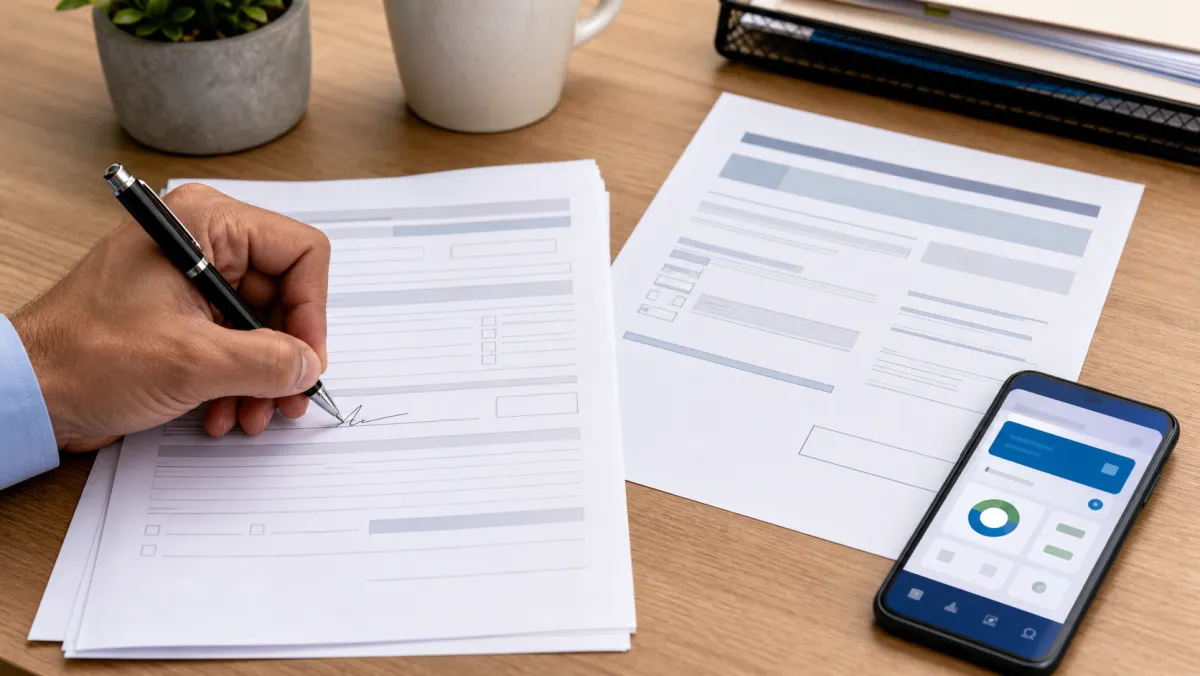
Business Account Explained
Money moves in from customers and out to vendors, payroll, and taxes, all inside one traceable ledger. That traceability is what protects your LLC or corporation status if you ever face an audit or a lawsuit.
Most owners pair the account with software instead of running everything from a bank app. A tool like QuickBooks handles invoicing, categorization, and tax prep straight from the same data feed the bank provides, which is why quickbooks for small business setups are so common.
Good business management starts with this single source of truth. Once income and expenses live in one place, decisions about hiring, pricing, and spending get a lot easier to make with any confidence.
Poor cash management is often one of the clearest signs a business is heading for trouble, not unlike the signs you're being set up to fail at work that show up long before someone actually gets let go. Catch the pattern early and the account stays healthy.
Do You Need a Business Degree to Run One?
No. Plenty of founders without a business degree run accounts, payroll, and taxes with nothing more than a good bookkeeper and some patience. That said, the fundamentals taught in most business majors, cash flow, financial statements, basic accounting, shorten the learning curve substantially.
If you want the formal background anyway, look for business degrees that weight cash flow and financial statement analysis heavily. Those two skills matter more day to day than anything else most degrees teach.
Choosing a Bank: Chase and the Alternatives
Chase is the default pick for a lot of new owners because of its branch density and a mobile app that works without drama. Chase business customer service gets mixed reviews for wait times on the phone, but the footprint makes it convenient for anyone handling regular cash deposits.
Online-first banks and credit unions frequently beat Chase on monthly fees and minimum balance requirements. Compare the fee schedule and minimum balance rules bank by bank instead of assuming one size fits every owner.
That shift toward fintech and back again is a small case study in reintermediation. Branchless accounts disintermediated traditional banking for a while, and now plenty of owners route back to full-service banks once a wire transfer or fraud dispute needs a human fast.
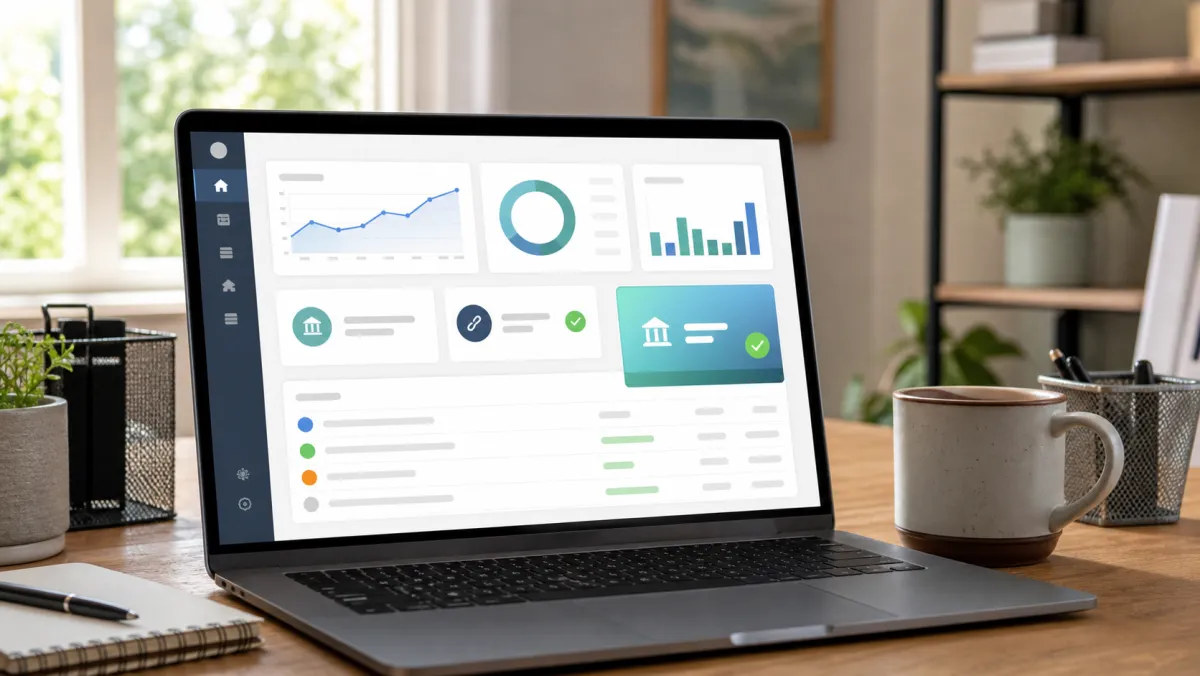
The Tools That Keep a Business Account Running
A bank account alone does not run a company. Reliable business internet keeps online banking, invoicing, and card processing working without the dropped connections that delay payroll or a vendor payment.
Business checks still matter more than most owners expect, especially with landlords, contractors, and older vendors who will not take a card. Order a starter batch the same week you open the account so you are not scrambling later.
Connect the account to accounting software immediately instead of waiting. Manual entry after the fact eats hours every month that a direct feed handles automatically the moment a transaction posts. Most owners land on QuickBooks Online for exactly this reason.
Protecting the Business Before You Open the Account
Banks want proof your company is real before they hand you a routing number. That proof comes from your state's business registry, and every state runs a slightly different lookup tool for it.
A Wyoming business entity search confirms an LLC is active and in good standing, which matters if you formed there for the low fees and the privacy. Most banks pull this same record before approving an account.
Oregon runs its own Oregon business registry, and the Oregon business search feature inside it lets anyone confirm a company's status in seconds, no account required.
Missouri business search works the same way through the state's Secretary of State business services site, and the printed result is usually enough for a loan officer or a compliance review.
Insurance is the other box to check before, or right after, opening the account. Simply Business and similar brokers let you compare general liability and property quotes in one pass, coverage most banks skip but most landlords and clients require.
Business Account Examples
A solo consultant usually needs one checking account, a debit card, and nothing else for the first year. Fees matter more than features at that early stage.
A retail shop or restaurant typically needs a checking account plus a merchant services setup for card payments, often paired with cash deposit limits high enough for a busy till count.
An agency or small team usually layers in a business credit card for float, payroll integration, and sometimes a savings sub-account that sets tax money aside automatically. Choosing between a legacy bank and a fintech challenger here is really a bet on the benefits and risks of innovation: faster onboarding against less human support when something breaks.
How to Apply Business Account
Gather your EIN, formation documents, and a state registry confirmation before you start the application. Most banks, Chase included, let you begin online and finish in a branch if the account needs a notarized signature.
Expect questions about expected monthly deposits and the nature of the business, standard anti-fraud steps every bank runs now. Approval for a straightforward LLC or sole proprietorship usually takes under a week.
Once approved, order checks, activate online banking, and connect the account to your accounting software the same day. Waiting just creates a backlog of transactions you will have to categorize by hand later.
A business account is not a formality. It is the ledger your liability protection actually depends on.
Business Account FAQ
What is the difference between a checking and savings account for a business?
A business checking account handles daily transactions like payroll and vendor payments, while a savings account earns interest and works best for reserves such as tax withholdings or an emergency fund.
What are the best payroll services for a small business?
Gusto, ADP, and QuickBooks Payroll are the most common picks, priced by employee count, and each one files payroll taxes automatically once connected to your business account.
Do I need a virtual address for my business?
A virtual address works well if you run the business from home and want a professional mailing address for LLC filings, banking, and client-facing documents without listing your house.
Is QuickBooks good for a small business?
QuickBooks fits most small businesses well because it connects directly to a business account, automates categorization, and produces the reports an accountant needs at tax time.
What is QuickBooks Online used for?
QuickBooks Online is the cloud version of the software, used for invoicing, expense tracking, payroll, and reconciling a business account from any device without installing anything locally.