AI for Business
Best AI Image Generator (2026): 7 Tools We Tested
Best AI image generator tested: Nano Banana Pro, Midjourney, ChatGPT and Recraft compared on photorealistic output, price and licensing. See which fits.
AI Tools · Tested by operators
Best AI Image Generator
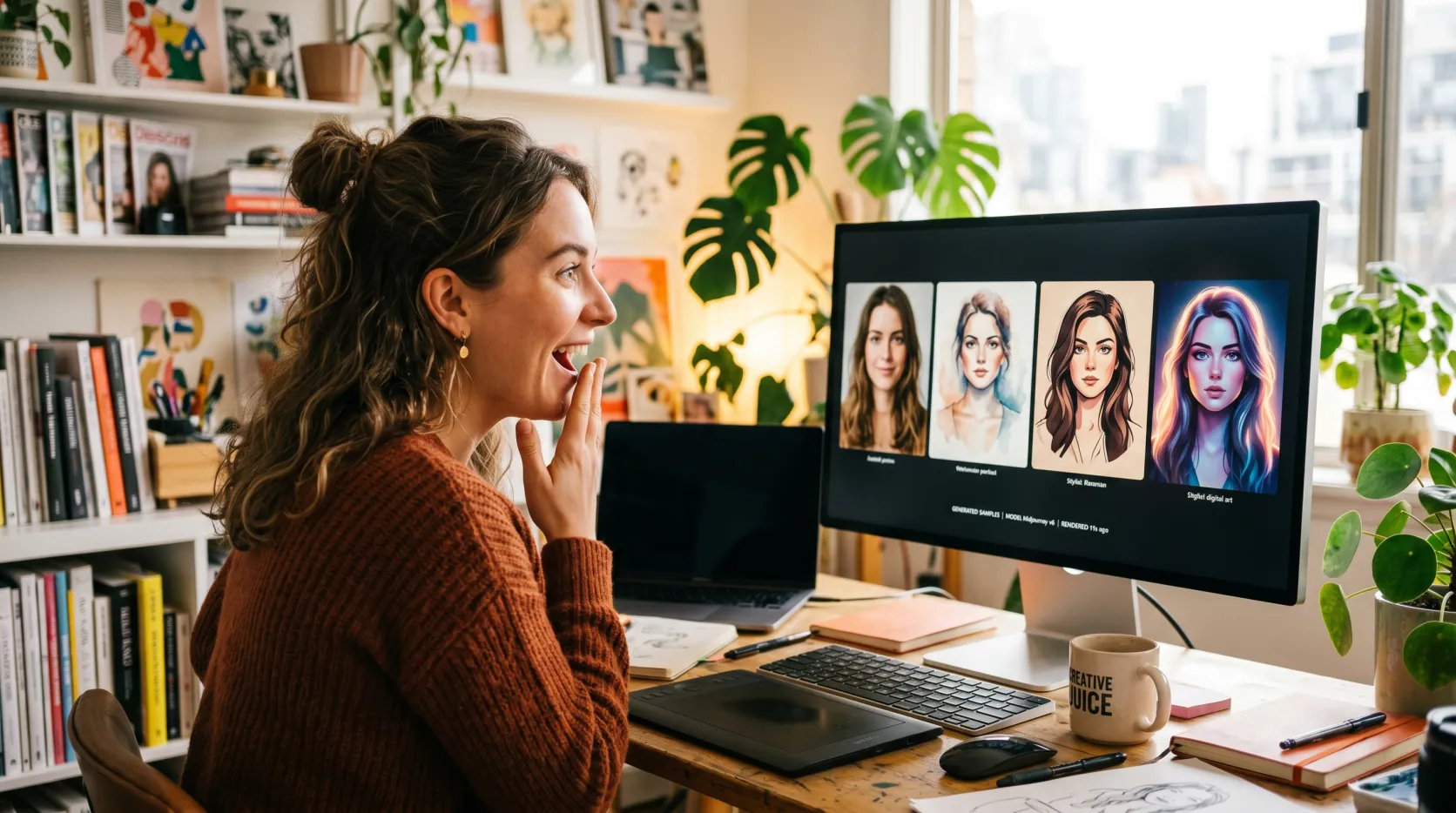
We ran the same five prompts through every AI image generator that matters in 2026, then judged the output on photorealism, text rendering, and licensing terms. This is the honest scorecard for finding the best AI image generator for your actual work, not a feature dump.
Quick answer
For most teams, Google's Nano Banana Pro is the best AI image generator because it leads on photorealistic edits and renders clean text. ChatGPT (GPT Image 2) wins on prompt-following and conversational editing, Midjourney owns artistic range, and Recraft owns design work. The best free AI image generator for casual use is Bing Image Creator.
Key takeaways
- Best overall: Google Nano Banana Pro, the top image generation model on photorealism and edits.
- Best prompt accuracy: ChatGPT GPT Image 2, the most reliable text-to-image tool for a prompt describing what you want.
- Best artistic range: Midjourney V8.1 for concept art and editorial moods.
- Best for design work: Recraft V4.1 for logos, vectors, and adding text.
- Most IP-safe: Adobe Firefly, trained on licensed data, if you must use the images commercially with zero risk.
What Is the Best AI Image Generator in 2026?
An AI image generator turns a text prompt into a finished picture using an image generation model trained on huge volumes of training data. You type a prompt, the AI model interprets it, and the tool returns a standard image in seconds.
The best AI image generator depends on your image needs. Many AI image generators are good at one thing and weak at another, so we tested each tool against the same brief instead of trusting marketing claims. Our wider AI for business hub tracks how these tools fit a full stack.
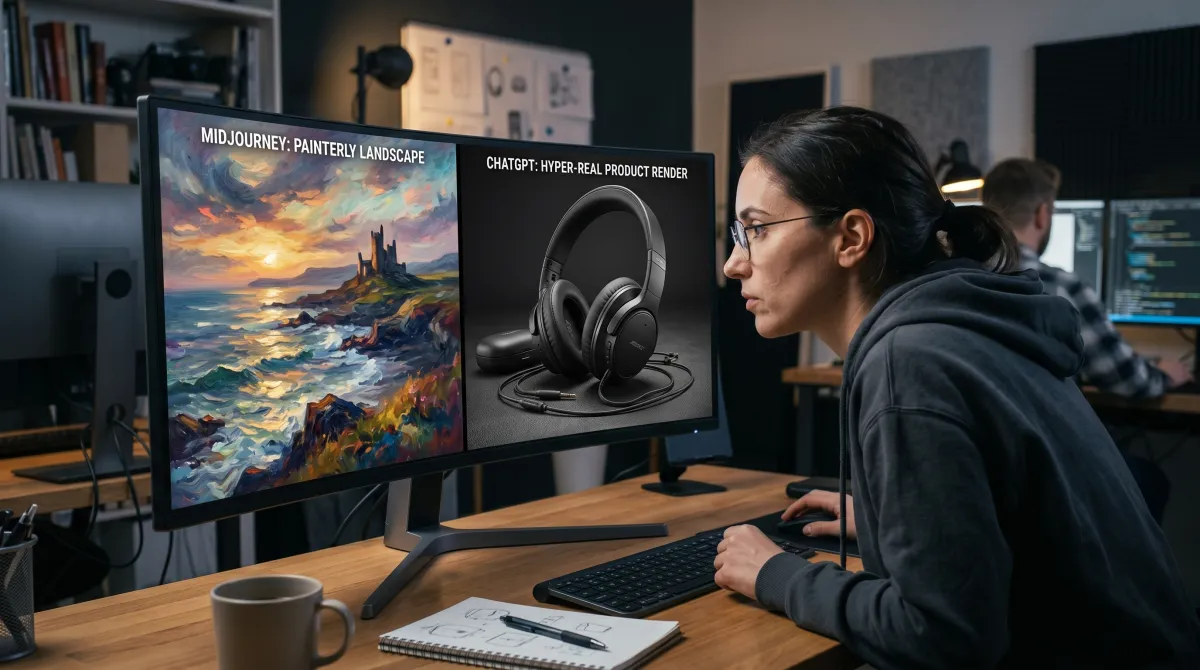
We scored every AI image generator on five jobs: photorealistic images, clean text inside the image, image editing on an existing photo, range of styles, and whether you can use the images commercially. Those criteria decide which AI image generators available today are worth paying for.
Image quality is the tiebreaker. Two tools can both generate images from the same prompt, yet one returns a usable asset while the other needs three re-rolls. We weighted that consistency heavily when ranking these AI image generators head-to-head.
The winner is rarely the prettiest model. It is the one that follows your prompt the first time, so you stop re-rolling and start shipping.
Best AI Image Generator Compared
Here is how the top AI image generators stack up on price, photorealism, and commercial use. We ran each AI image generation tool through the same workflow before scoring it. Prices are current as of June 2026.
| Tool | Best for | Free plan | From | Commercial use |
|---|---|---|---|---|
| Nano Banana Pro (Google AI) | Photorealistic edits | Yes (50/day in AI Studio) | Google AI Pro $19.99/mo | Yes (paid) |
| ChatGPT (GPT Image 2) | Prompt accuracy + editing | Yes (capped) | $20/mo | Yes |
| Midjourney (V8.1) | Artistic range | No | $10/mo | Yes (paid) |
| Recraft (V4.1) | Design + logos | Yes (non-commercial) | $25/mo | Paid only |
| Ideogram (4.0) | Text-heavy images | Yes (10/day) | $8/mo | Paid only |
| Flux (FLUX.2) | Open photorealism | Yes (open weights) | Credit-based | Yes (paid) |
| Bing Image Creator | Free generation | Yes | Free | No (default) |
The 7 Best AI Image Generators We Tested
Best AI image generator overall
Nano Banana Pro (Google AI) Google AI Pro from $19.99/mo
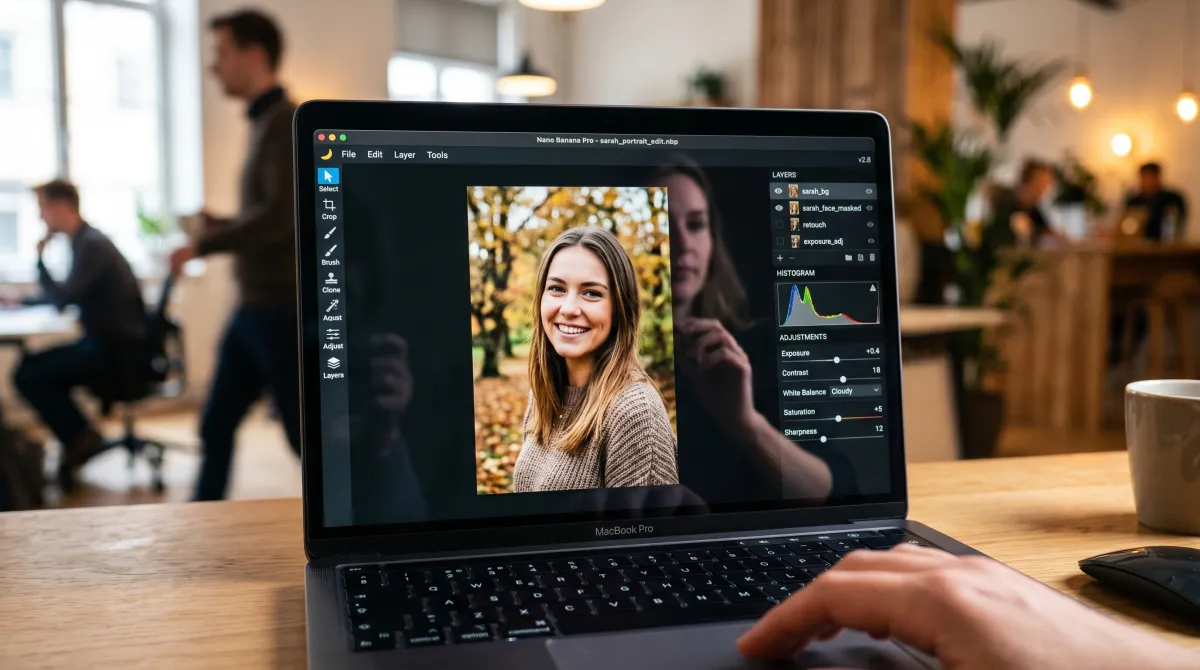
Google's Nano Banana Pro, the Gemini 3 Pro Image model, is the AI photo tool to beat for editing images of real people. It leads the public image leaderboards on text rendering and edits, can combine multiple photos into a single image, and holds a matching image style across a series up to true 4K.
Pros
- Best-in-class text rendering and create realistic images of people
- Strong identity preservation and localized image editing
- 50 free daily generations in Google AI Studio before you pay
Cons
- Higher-resolution 4K output sits behind the paid plans
- Every output carries an invisible SynthID watermark
Best for prompt accuracy and editing
ChatGPT (GPT Image 2) From $20/user/mo
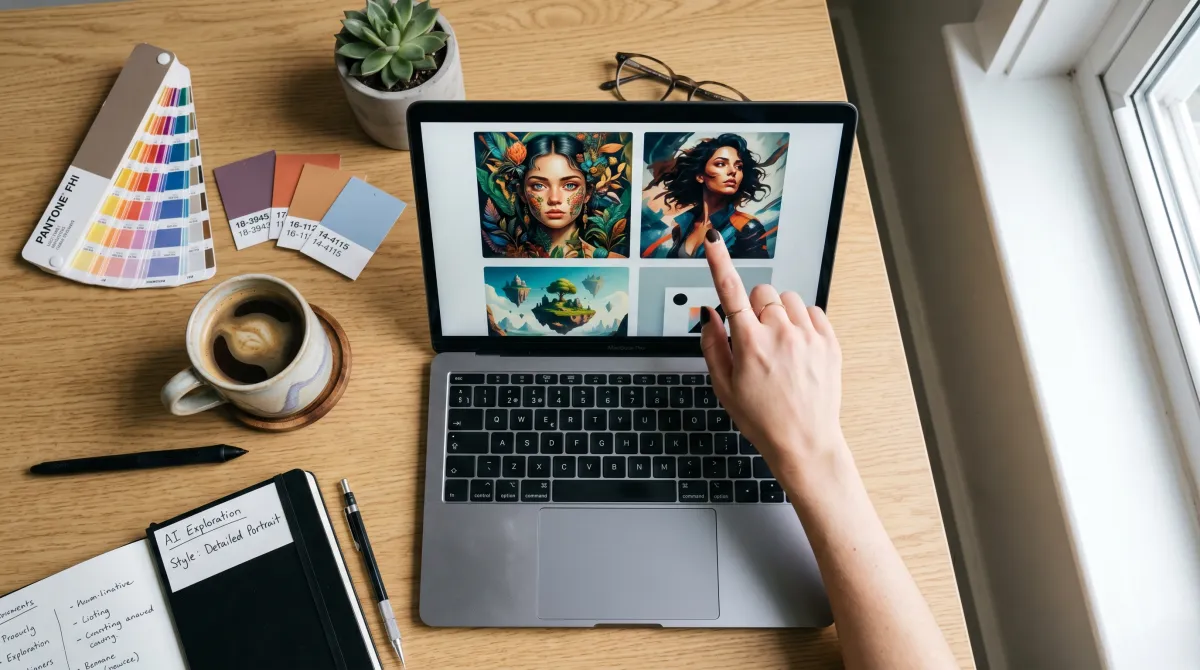
OpenAI's GPT Image 2, launched inside ChatGPT Images 2.0 on April 21, 2026, retired the DALL-E line (shut down May 12, 2026) and is the best AI image generator for people who hate re-rolling. It reasons through a long text prompt, adds text cleanly, then lets you refine the result in a conversation instead of starting over.
Pros
- Best prompt-following of any ai image generation tool
- Conversational editing tools, no new web app to learn
- Near-perfect text (~99% English accuracy) and accurate infographics
Cons
- Thinking mode and batching need a paid plan
- Legacy GPT Image 1.5 stays API-only; style range still narrower than Midjourney
Best for artistic range
Midjourney (V8.1) From $10/user/mo
Midjourney still produces the most beautiful ai-generated image when you want mood over accuracy. Midjourney's strength is a huge range of styles, so it shines for concept art and editorial work rather than literal product shots. V8.1 arrived April 30, 2026, running faster than older versions with native 2K HD output.
Pros
- Stunning photorealism and painterly looks
- Strong community prompt library and character consistency
- Upscaling that beats stock photos
Cons
- No free version, Basic starts at $10/mo with no free trial
- Still weaker at exact text than Ideogram or GPT Image 2
Best for design work
Recraft (V4.1) Free / Pro $25/mo
Recraft is the AI image creator we reach for on real design work: logos, icons, and mockups where you must add text and export clean vectors. Recraft V4.1, released May 14, 2026, is the model we trust for editable SVG output, and its editing tools put it ahead of general AI image tools for design briefs. The free plan gives daily credits to test it.
Pros
- Best at adding text and native SVG vectors
- Free credits each day to start
- Full ownership to use the images commercially on paid plans
Cons
- Free tier is non-commercial and Recraft owns the output
- Less photorealistic than Flux or Nano Banana Pro
Three more tools round out the list. Ideogram (now 4.0, with character reference for consistent mascots) is the AI image generator we trust for text-heavy posters, hitting roughly 90% text accuracy with a free tier of 10 slow generations a day and paid plans from $8/mo.
Flux ships its FLUX.2 family as the open image generation model of choice; the Dev variant is open weights, so you can self-host photorealism without Midjourney's price. A paid license lets you generate AI images commercially.
For commercial safety, Adobe Firefly is the outlier worth knowing. It is the only major tool trained purely on licensed and public-domain training data, which makes it the safest pick when licensing terms and clean rights matter more than raw benchmark scores.
A couple of rivals stay on the bench. Leonardo AI is strong for game assets and stylized art, while Stable Diffusion remains the power-user pick for running your own online AI setup. Stable Diffusion is free to self-host, but the catch is additional GPU time you pay for yourself.
Honestly, Midjourney’s edge is shrinking fast. Midjourney’s painterly look once stood alone, but Flux and Nano Banana Pro now match that range while following a prompt more literally, which is why it slipped behind Google in our scoring this round.
Running multiple AI tools is normal, not a failure. Most operators we know keep two or three of these different tools in rotation, because no single image generator wins every brief across photorealism, text, and design.
If you also need motion, the best free AI video generator right now is Google's Veo 3.1, free inside Google Vids for any Google account. Kling 3.0 is the cheapest AI video generator with a real free plan, around 66 free credits a day, while Runway leads on editing control. These cover image and video when a campaign needs both.
A good free AI content generator like ChatGPT can write the prompt describing what you want before you ever open an image tool. Use AI to draft the brief, then ask the model to create an image straight from that text.
How to Choose the Best AI Image Generator
Start with the job, not the brand. Different tools win different briefs, and the best AI image generator for you is the one that matches your single most common task.
- Want photorealism? Test Nano Banana Pro and Flux before paying for anything.
- Need text in the image? ChatGPT, Recraft, and Ideogram lead here.
- On a budget? A free AI image generator like Bing Image Creator covers casual use with free boosts.
- Selling the output? Check the licensing terms so you can use the images commercially, and note free tiers rarely allow it.
Compare AI features side by side before you commit. The right mix of editing tools, free credits, and commercial licensing matters more than raw model hype when you have to ship work every week.
One rule from running these daily: refine your prompt before you switch tools. A precise text prompt fixes more problems than a different model. When you need to generate an image at scale, ChatGPT and Recraft offer the best built-in editing to tweak a result instead of starting over.
Watch the free tiers too. Bing Image Creator and Recraft's free plan default to non-commercial licensing, so confirm the rights before you ship a client asset made on a free version.
For ad work specifically, pair these with a purpose-built tool. Our guide to high-converting ad creatives with AdCreative AI shows where a dedicated platform beats a general AI model when you create images for paid campaigns.
If your priority is zero cost, our free AI image generator roundup goes deeper on the no-cost picks and their hidden limits.
To plug those visuals into live campaigns, see our email marketing automation workflow.
Most of these tools run on generative artificial intelligence, the same text-to-image model class that powers Midjourney.
Best AI Image Generator: FAQ
Which AI image generator is the best?
Google Nano Banana Pro is the best AI image generator overall in 2026 because it leads on photorealism and edits. ChatGPT (GPT Image 2) wins on prompt accuracy, while Midjourney wins on artistic range.
Which is the most realistic AI image generator?
Google's Nano Banana Pro and Flux produce the most photorealistic images in our tests, especially for images of real people. Both create realistic images that beat stock photos for many uses.
Are there any 100% free AI image generators?
Yes. Bing Image Creator is genuinely free with weekly boosts, and Ideogram, Flux, and Recraft offer free credits on a free version. Most free tiers, though, restrict commercial use.
Is ChatGPT the best AI for image generation?
For prompt accuracy and editing, yes. ChatGPT's image model is the most reliable AI image generation tool for following exactly what you describe, though Nano Banana Pro now beats it on photorealism.
What is the best AI video generator?
Google Veo 3.1 and Runway lead in 2026. Kling 3.0 is the cheapest AI video generator with a real free tier, while Veo offers the strongest free AI video generator quality, now free inside Google Vids.
What is the best AI website builder?
For most small teams, Framer and Wix AI lead, pairing fast layout generation with built-in hosting. See our AI for business hub for the full comparison.
What is the best AI note taker?
Otter and Fireflies remain the top AI note takers for meetings, transcribing and summarizing calls automatically across Zoom, Meet, and Teams.
What is the best AI presentation maker?
Gamma and Tome lead for AI presentations, turning a single prompt into a full, editable deck in minutes.
What are the best AI SEO tools?
Surfer and Clearscope lead for content optimization, while Semrush adds keyword and rank tracking on top of AI writing assistance.