Business Concepts
Balance Transfer: How Ledger Impact & Fees Work (2026)
A balance transfer moves debt or funds between accounts to cut interest or consolidate payments. See how it affects your ledger, account, and principal balance.
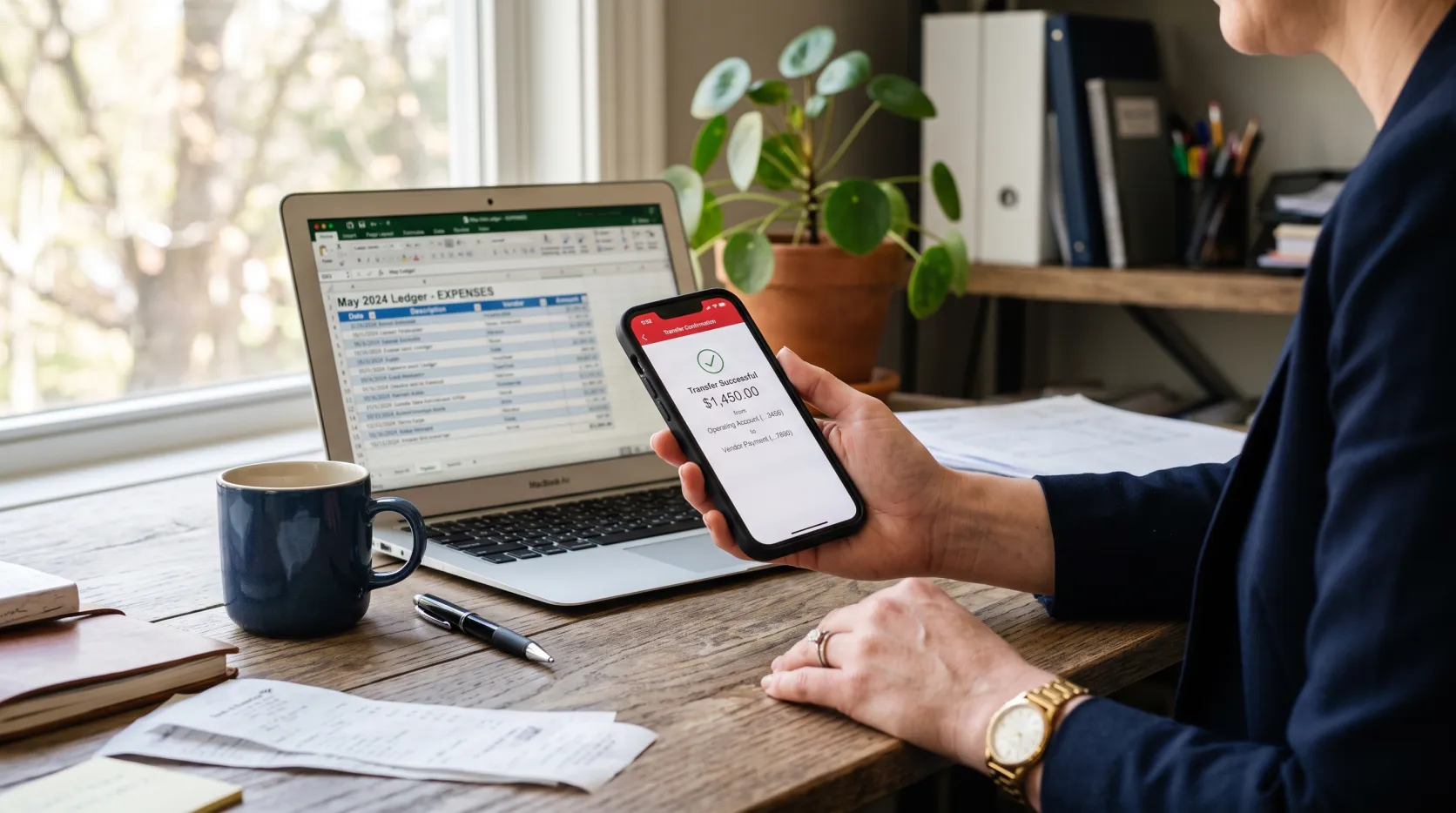
A balance transfer moves an outstanding balance, whether it is credit card debt, a loan, or funds sitting in one account, into a different account or card. Businesses use transfers to consolidate debt, cut interest costs, or move working capital where it is needed most.
Quick answer
A balance transfer moves money or debt from one account, card, or ledger to another. It is used to consolidate debt, lower interest, or reposition funds, and it directly affects the account balance, ledger balance, and principal balance shown on your books.
Key takeaways
- A balance transfer shifts debt or funds between accounts, often to secure a lower interest rate or consolidate payments.
- Ledger balance and account balance can differ by a day or more while a transfer clears.
- The clearing balance is what is actually available once pending transactions settle.
- Balance transfers appear on your balance sheet as changes to liabilities or cash, never as income.
- International wire transfers move balances across borders but carry fees and slower clearing balance timelines.
What Is Balance Transfer?
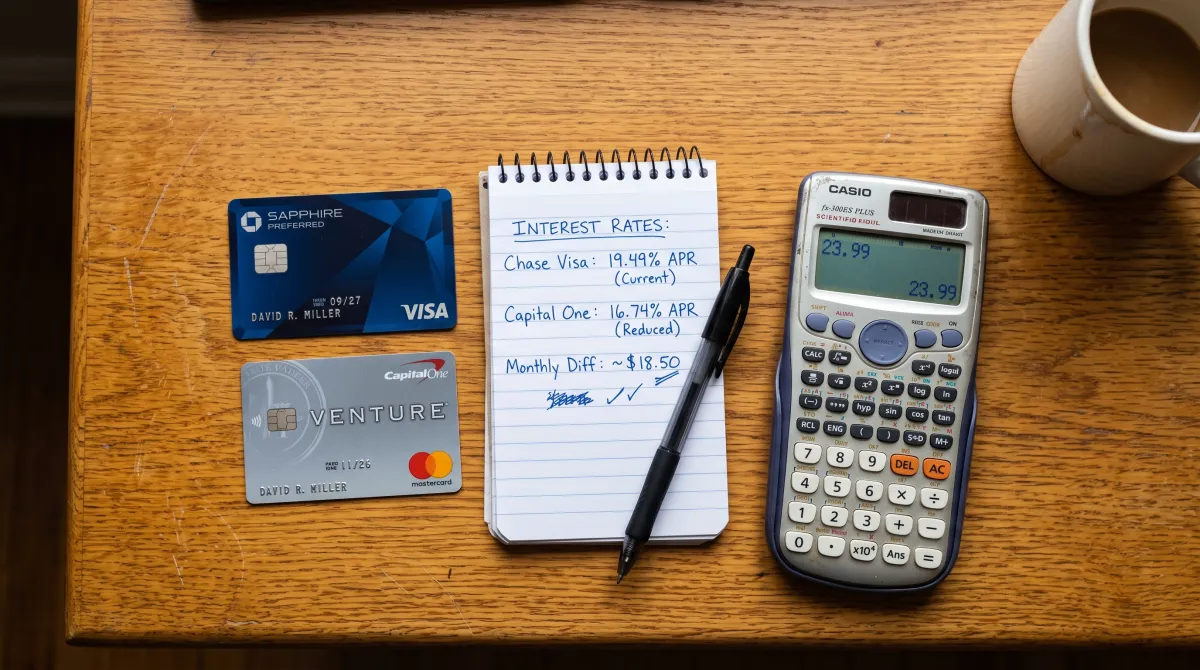
A balance transfer is the process of moving an existing balance, debt owed or funds held, from one account or card to another. Most people meet the term through credit cards: a bank offers a lower promotional rate, typically 0% APR for 12 to 21 months per Bankrate's ongoing rate surveys, to move debt from a competitor's card.
In a business context, the same mechanic applies to loans, lines of credit, and even operating accounts. Owners transfer balances to consolidate multiple debts into one payment, or to reposition cash as part of everyday business concepts owners need to master.
Swapping one lender or bank for another this way is a practical form of reintermediation, where a business routes its financial relationship through a new intermediary instead of cutting one out.
Every transfer runs through a clearing balance first. That is the temporary state where funds have left one account but have not fully posted to the other, so neither balance reflects the transaction yet.
Businesses initiate transfers for a mix of reasons: smoothing seasonal cash flow, consolidating multiple debts into a single payment, or simply chasing a lower rate. The motivation changes, but the mechanics of the transfer stay the same.
Balance Transfer Explained
To understand how a transfer affects your books, you need three related numbers: ledger balance, account balance, and principal balance. Each one answers a slightly different question about where your money actually stands.
Ledger balance meaning is straightforward. It is the balance recorded in your bank's ledger at the start of the business day, before any same-day transactions post. It will not reflect a transfer initiated that morning.
Account balance is the real-time figure, updated as transactions clear. During a transfer, your account balance can lag behind the ledger balance by a day or two depending on the bank and the transfer method used.
Principal balance refers specifically to the amount of debt still owed, excluding interest or fees. When you transfer a loan or credit card balance, the principal balance is what actually moves to the new account, not the accrued interest.
A balance transfer does not erase debt, it just relocates it, and the clock on interest starts again the moment it lands.
Balance Transfer Examples
A retail business carrying $18,000 on a high-interest credit card transfers the balance to a card with a 0% introductory rate, saving roughly $1,200 in interest over 12 months.
A company paying an overseas supplier initiates an international wire transfer to move funds directly between banks, settling in one to five business days when routed through the SWIFT network, depending on the corridor and receiving country.
A shopper checking a gift card balance often searches check balance target, meaning they want to verify the remaining balance on a Target gift card before a purchase. It is a consumer version of the same balance concept businesses track internally.
Each example moves a balance from one place to another, but the mechanics, fees, and clearing times differ sharply between card transfers, wire transfers, and simple balance checks.

How Balance Transfers Show Up on a Balance Sheet
Balance sheet definition, in short: it is a financial statement that lists what a business owns, owes, and retains at a single point in time. Balance sheet meaning goes a step further, confirming that assets equal liabilities plus equity.
When you complete a balance transfer, nothing about your total debt changes, only where it is recorded. A loan balance moving from one lender to another still appears as a liability, just under a different line item.
Businesses use different types of balance sheet formats. Classified and comparative are the two most common, chosen depending on whether the business needs year over year comparisons or a single clean snapshot.
Reading a balance sheet step by step starts with assets, moves to liabilities, then equity. Folio balance meaning refers to the running balance carried forward from one ledger page, or folio, to the next, a term that predates digital accounting but still appears in some ledger software today.
How to Apply Balance Transfer
Most businesses apply a balance transfer during a rate reset, a debt consolidation push, or when opening a new account with better terms. Digital banking tools have made this faster than it used to be, part of the broader benefits and risks of innovation businesses weigh when adopting new fintech.
The steps below apply whether you are moving a credit line, a loan, or simple operating funds.
- Compare the new account's transfer fee, which most major card issuers set between 3% and 5% of the balance per the Consumer Financial Protection Bureau, against the interest you would actually save.
- Confirm the promotional or reduced rate period and what the rate reverts to once it ends.
- Request the transfer through the receiving bank or card issuer, providing the account number and the amount to move.
- Keep paying the old account until you see the transfer post, since balances rarely clear the same day.
- Update your books once the ledger balance and account balance match, confirming the transfer is fully settled.
Businesses that skip step four often get hit with a late fee on the old account, even though the transfer was already approved and in progress. Finance leads blamed for these lags without visibility into the clearing balance often recognize it as one of the classic signs you are being set up to fail at work.
Set a calendar reminder for the day the introductory rate ends. Many businesses lose the savings from a balance transfer simply because the standard rate kicks back in unnoticed.
Balance Transfer FAQ
What is a balance sheet?
A balance sheet is a financial statement showing a business's assets, liabilities, and equity at a specific date, used to confirm that what a company owns equals what it owes plus what belongs to its owners.
What are balance sheet examples?
Common balance sheet examples include a small retailer listing cash, inventory, and accounts payable, or a startup showing equipment, a business loan, and owner's equity, each organized into assets, liabilities, and equity sections.
What is the difference between an income statement and a balance sheet?
An income statement shows revenue and expenses over a period, revealing profit or loss, while a balance sheet shows what a business owns and owes at one specific moment in time.
Why is a balance sheet important?
A balance sheet is important because it shows lenders, investors, and owners whether a business can cover its debts, how much equity it holds, and whether assets are growing relative to liabilities.
How does a balance sheet work?
A balance sheet works by listing assets on one side and liabilities plus equity on the other, and the two sides must always be equal, which is why it is called a balance sheet.