Business Concepts
Airbus A330 200 vs A330-900neo (2026): Key Differences
The Airbus A330-200 and A330-900neo share a name but not a fuselage. Compare range, seats, and engines to know which jet you are booking.
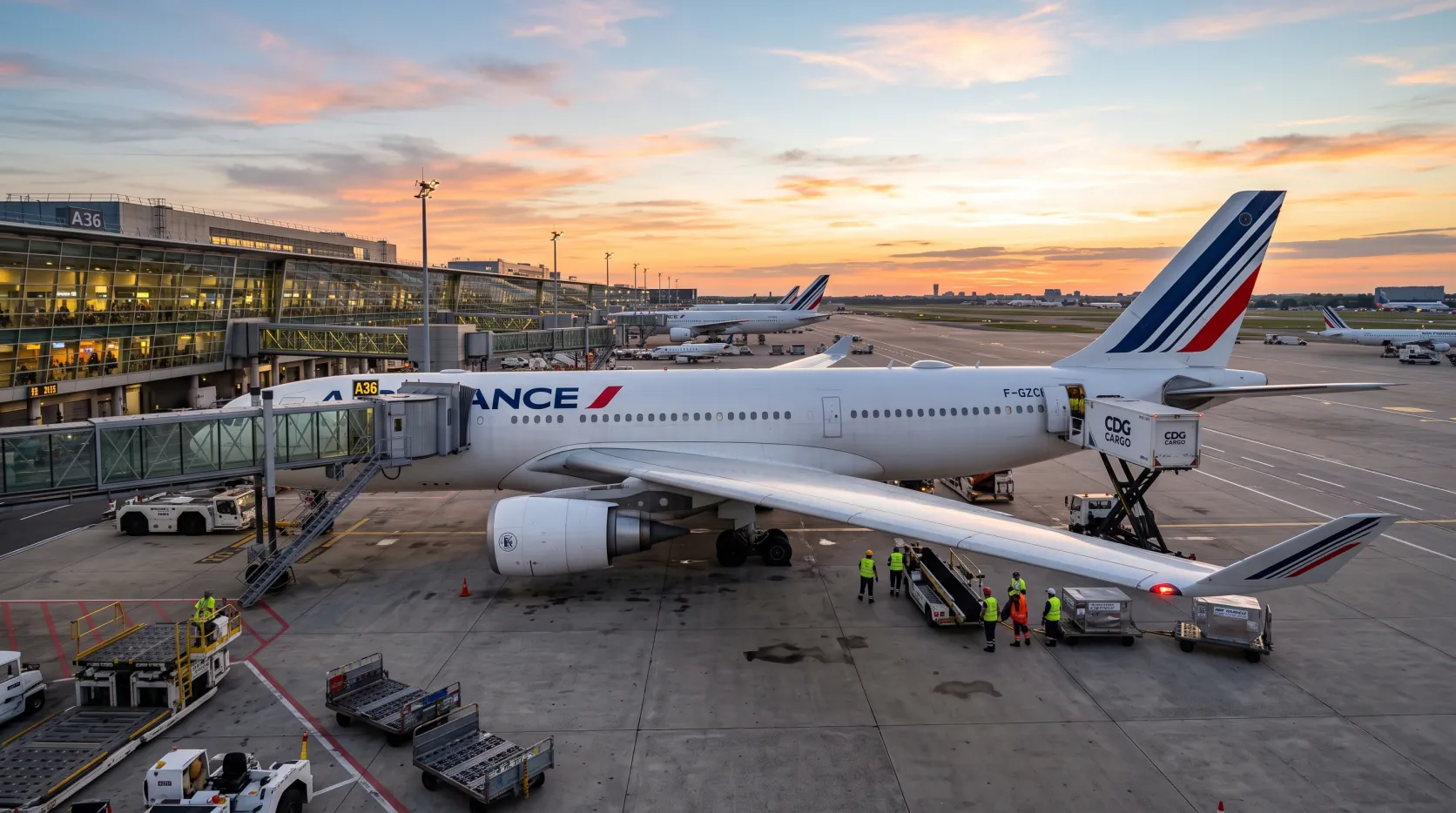
Airbus A330 200 is Airbus's shorter, longer-range twin-aisle widebody, and it is easy to confuse with the newer A330-900neo that shares part of its name. This guide breaks down what separates the two aircraft, using the same fleet-planning logic covered in our business concepts hub, so you know exactly which jet you are reading about.
If you searched Airbus A330 200 specs, you probably found two different airplanes hiding under one name. The original Airbus A330-200 flies for dozens of airlines today, while the newer A330-900neo shares the family badge but a different fuselage, wing, and engine. Knowing which one you mean changes every number that follows.
Quick answer
The Airbus A330-200 is a twin-engine, twin-aisle widebody that entered service in 1998, seats roughly 247 passengers in a two-class layout, and flies up to about 13,450 km. The Airbus A330-900neo is a separate, newer variant built on the longer A330-300 fuselage with Rolls-Royce Trent 7000 engines and lower fuel burn per seat.
Key takeaways
- The Airbus A330-200 seats about 247 passengers in a two-class layout and ranges up to roughly 13,450 km.
- The Airbus A330-900neo is not a re-engined A330-200; it is based on the longer A330-300 fuselage instead.
- The true re-engined successor to the A330-200 is the A330-800, a low-order variant flown by only a handful of airlines.
- Both current-production neo variants use Rolls-Royce Trent 7000 engines exclusively, unlike the original A330-200's three engine options.
- You can usually tell the two apart on sight by engine size and wingtip shape, without checking a boarding pass.
What Is the Airbus A330-200?
The Airbus A330-200 is a wide-body, twin-engine airliner built by Airbus for long routes that do not need a jumbo jet's capacity. Airbus shortened the fuselage of the wider Airbus A330 family's A330-300 to build it, trading some seats for extra range, and launched it in 1998 to compete with Boeing's 767-300ER and 777-200.
Airlines picked from three engine families for the A330-200: Rolls-Royce Trent 700, General Electric CF6-80E1, or Pratt & Whitney PW4000. That choice, plus optional extra fuel tanks, is why two A330-200s from different carriers can have noticeably different range numbers.
Airbus positioned the aircraft as a flexible middle option, big enough for busy long-haul routes but cheap enough to fly thinner ones the larger A330-300 or A340 could not justify.
Airbus A330-200 Specifications
Airbus never sold the A330-200 with one fixed cabin. Airlines chose engines, seating density, and fuel tanks to match their own routes, so published numbers vary a little by operator and configuration.
| Variant | Length | Wingspan | Engines | Typical range | Typical 2-class seats |
|---|---|---|---|---|---|
| Airbus A330-200 | 58.82 m | 60.3 m | Trent 700, CF6-80E1, or PW4000 (x2) | ~13,450 km | ~247 |
| Airbus A330-900neo | 63.66 m | 64 m | Rolls-Royce Trent 7000 (x2) | ~13,334 km | ~287 |
| Airbus A330-800 | 58.82 m | 64 m | Rolls-Royce Trent 7000 (x2) | ~15,094 km | ~257 |
The Airbus A330-200 carries a maximum take-off weight of up to 242,000 kg and a published range near 13,450 km, according to Airbus's own aircraft data pages. Cargo holds add roughly 136 cubic meters of volume, useful for belly freight on long routes.
According to Wikipedia, Airbus had delivered more than 650 A330-200 aircraft by the time production shifted fully to the A330neo family, making it one of the longest-running widebody programs still in daily service.
Airbus A330-200 vs Airbus A330-900neo: What Actually Changed
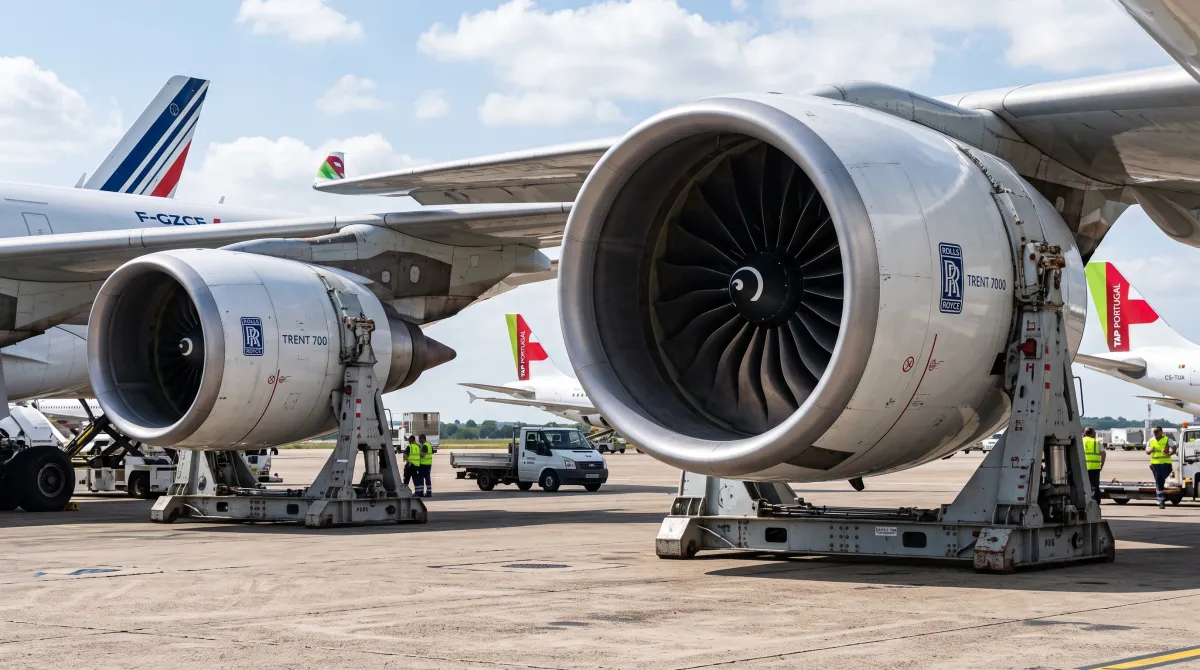
The Airbus A330-900neo is not simply an updated A330-200. Airbus built it on the longer A330-300 fuselage, fitted new Trent 7000 engines, and stretched the wing, so it carries roughly 40 more passengers than the A330-200 it often gets confused with online.
Airbus states the A330-900neo burns about 14% less fuel per seat than the earlier A330ceo aircraft it is replacing on most routes. That efficiency gain comes from the new engines and wingtip devices, not from shrinking the airframe.
The aircraft that actually replaces the A330-200 in Airbus's lineup is the A330-800, which keeps the shorter fuselage but adds the same Trent 7000 engines and extended wing. Airlines and leasing firms structuring these fleet swaps often act as intermediaries between manufacturer and operator, a dynamic our guide on reintermediation covers in other industries.
Very few carriers ordered the A330-800, which is why most travelers only ever encounter the A330-200 or the A330-900neo in daily service.
How to Tell an A330-200 From an A330-900neo at a Glance
Plane spotters and travelers can usually tell the two apart without checking a boarding pass. The A330-900neo carries larger, more rounded engine nacelles built around the Rolls-Royce Trent 7000, since Airbus dropped the older engine choices entirely for the neo generation.
The A330-900neo also wears curved wingtip sharklets and a noticeably longer fuselage than the A330-200, a result of Airbus building it on the A330-300 body instead of the shorter one.
If the aircraft looks stubbier with straighter wingtip fences and a smaller engine diameter, it is almost certainly the original A330-200, not the neo.
How to Weigh an A330-200 vs A330neo Decision
Swapping a proven A330-200 for a newer neo variant is itself an innovation decision for an airline's fleet planners. The trade-offs mirror what our benefits and risks of innovation guide describes: lower fuel and maintenance costs against new type-training, spare-parts pipelines, and delivery slot competition.
Smaller carriers often keep flying A330-200s well into their second decade because the aircraft is fully depreciated and mechanics already know it, even as newer neo variants join the same broader capital-efficiency conversations that shape fleet planning.
The A330-200 and A330-900neo share a name, not a fuselage, and mixing them up costs you the one number that actually matters: seats per trip.
Who Still Flies the Airbus A330-200 in 2026
Airlines including Delta Air Lines, China Southern, Turkish Airlines, and Cathay Pacific still operate sizable A330-200 fleets on medium and long-haul routes, alongside freighter conversions run by dedicated cargo carriers.
Charter and leisure carriers also favor the A330-200 because its lower trip cost fits seasonal routes that would not justify a larger A330-900neo or A350.
Airbus A330-200 Cabin and Passenger Experience
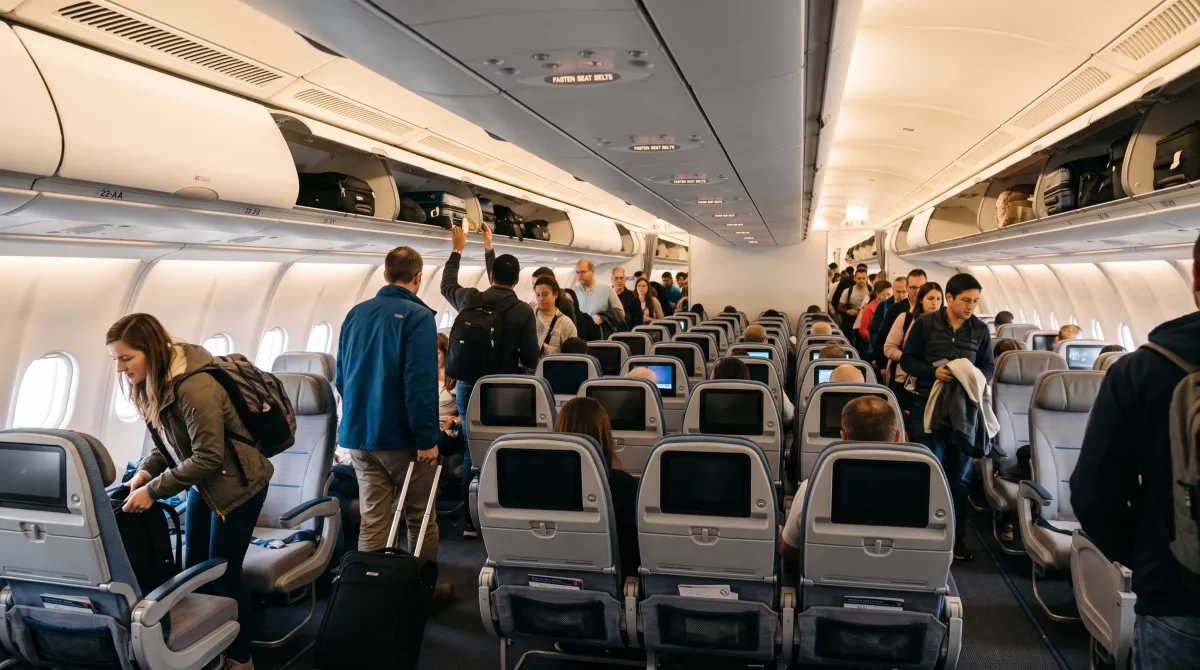
Inside, the Airbus A330-200 uses a twin-aisle cabin, typically arranged 2-4-2 in economy and 2-2-2 or 1-2-1 in business class depending on the airline. That layout keeps aisle access easy on long flights.
Cabin width sits at 5.28 meters, close to the A330-900neo's cabin, so the passenger experience inside the tube feels similar even though the aircraft's overall size differs.
Business class seat count varies widely too, since some airlines fit lie-flat suites in a 1-2-1 layout while others keep angled seats to maximize revenue on shorter long-haul routes.
Older A330-200 cabins sometimes lack the newer inflight entertainment or lighting systems found on A330neo deliveries, since retrofit schedules vary widely by airline and lease terms.
Airbus A330-200 FAQ
Is the Airbus A330-200 still in production?
No. Airbus stopped taking new A330-200 orders as the neo family took over, though the aircraft remains common across existing airline and cargo fleets.
What is the range of an Airbus A330-200?
The highest-MTOW A330-200 variants reach roughly 13,450 km, enough for most transatlantic and many transpacific routes without a fuel stop.
Is the A330-900neo the replacement for the A330-200?
Not directly. The A330-900neo replaces the larger A330-300, while the rarely-ordered A330-800 is the actual re-engined successor to the A330-200.
How many passengers does an Airbus A330-200 seat?
Most airlines configure the A330-200 for around 247 passengers in a two-class cabin, though high-density charter layouts can exceed 400 seats.
How can you tell an A330-200 apart from an A330-900neo?
Look at the engines and wingtips: the A330-900neo has larger Trent 7000 nacelles and curved sharklets, while the A330-200 has smaller nacelles and straighter wingtip fences.
What replaced the Airbus A330-200?
Airbus never discontinued the A330-200 outright, but the A330-800 is its direct re-engined successor, even though most airlines chose the larger A330-900neo instead.