Business Concepts
A380 Plane (2026): Specs, Seats, and Who Still Flies It
The A380 plane is the world's largest passenger jet, still flying today. See real seat counts, costs, and which airlines fly it in 2026.
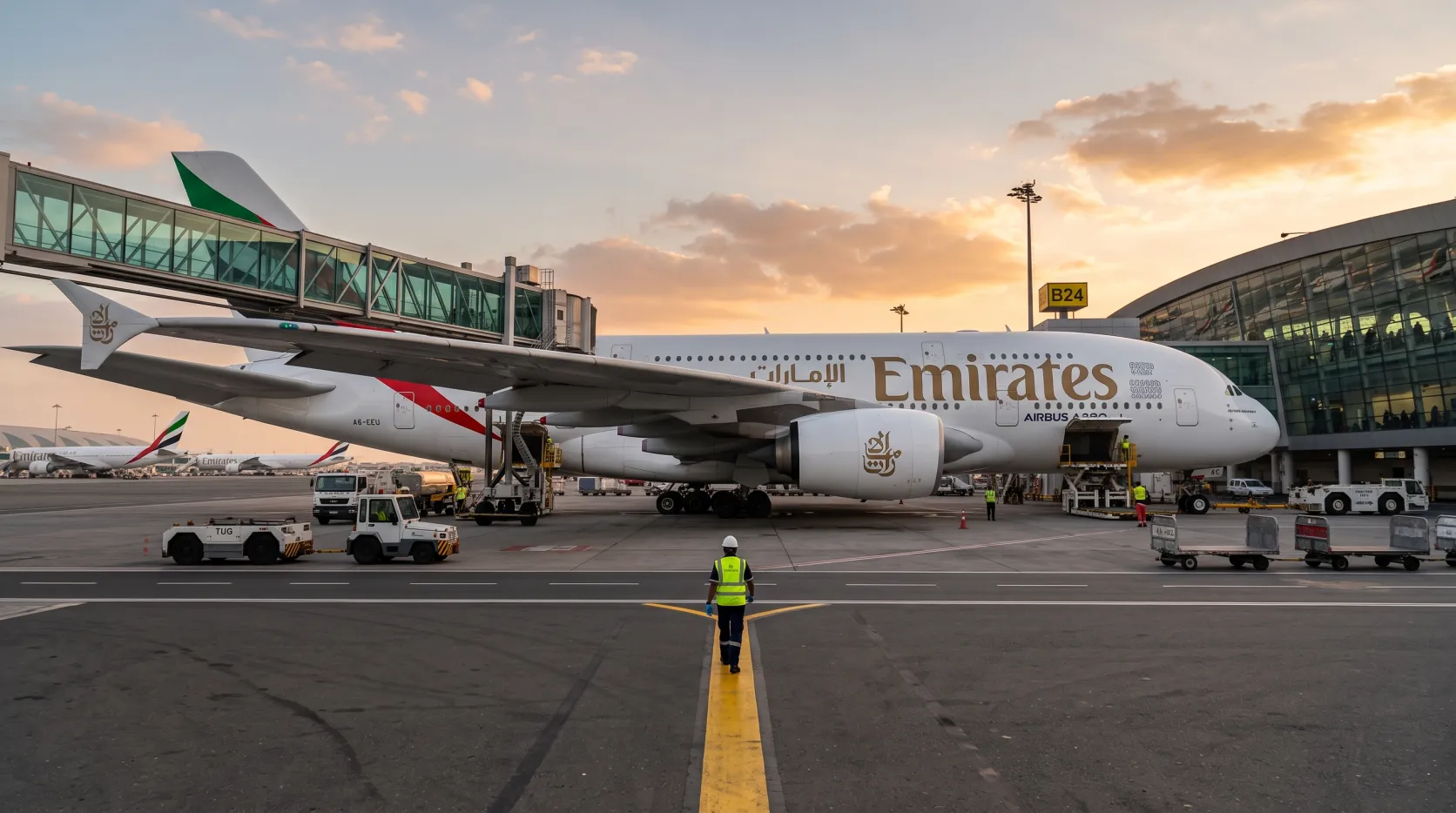
The A380 plane is the largest passenger aircraft ever built, a double-deck superjumbo from Airbus designed to move more people per flight than any jet before it. Airbus stopped building new units in 2021, yet the plane still flies daily long-haul routes for a handful of airlines that bet big on scale.
Quick answer
The A380 plane is a four-engine, double-deck Airbus superjumbo that can carry up to 853 passengers in an all-economy layout. Airbus built 251 of them between 2007 and 2021, then ended production once orders dried up. A handful of airlines, led by Emirates, still fly it on high-demand long-haul routes in 2026.
Key takeaways
- The A380 is the world's largest passenger jet, with a wingspan of about 79.75 meters and a typical three-class capacity near 500 seats.
- Airbus delivered the first A380 in 2007 and the last one in 2021, closing the production line after 251 aircraft.
- Emirates operates by far the largest A380 fleet, followed by carriers like Qantas, British Airways, and Lufthansa.
- The jet was built to win on economies of scale, but overproduction of seats airlines could not fill cut the program short.
- Route demand, not passenger comfort, decides whether an airline still flies the A380 plane in 2026.
What Is A380 Plane?
The A380 plane is a wide-body, double-deck aircraft built by Airbus, the European planemaker also behind the A320 and A350 families. It carries passengers on two full-length decks instead of one, so it seats hundreds more people than a standard long-haul jet on the same route.
Airbus launched the program in the 1990s to challenge Boeing's long hold on the ultra-large aircraft market, previously owned by the 747. Singapore Airlines flew the first commercial A380 plane in October 2007, and the jet quickly became a symbol of premium long-haul travel.
Every A380 plane runs on four engines, either Rolls-Royce Trent 900s or the Engine Alliance GP7200, under a wingspan of roughly 79.75 meters, according to Airbus. That size is why very few airports can handle it without gate and runway upgrades.
The lesson here connects to core business concepts like economies of scale and overproduction, both covered in detail below.
A380 Plane Explained
The idea behind the A380 plane was economies of scale: spread the fixed cost of a flight, crew, fuel, and airport slot across more paying seats, so cost per passenger drops as the plane gets bigger.
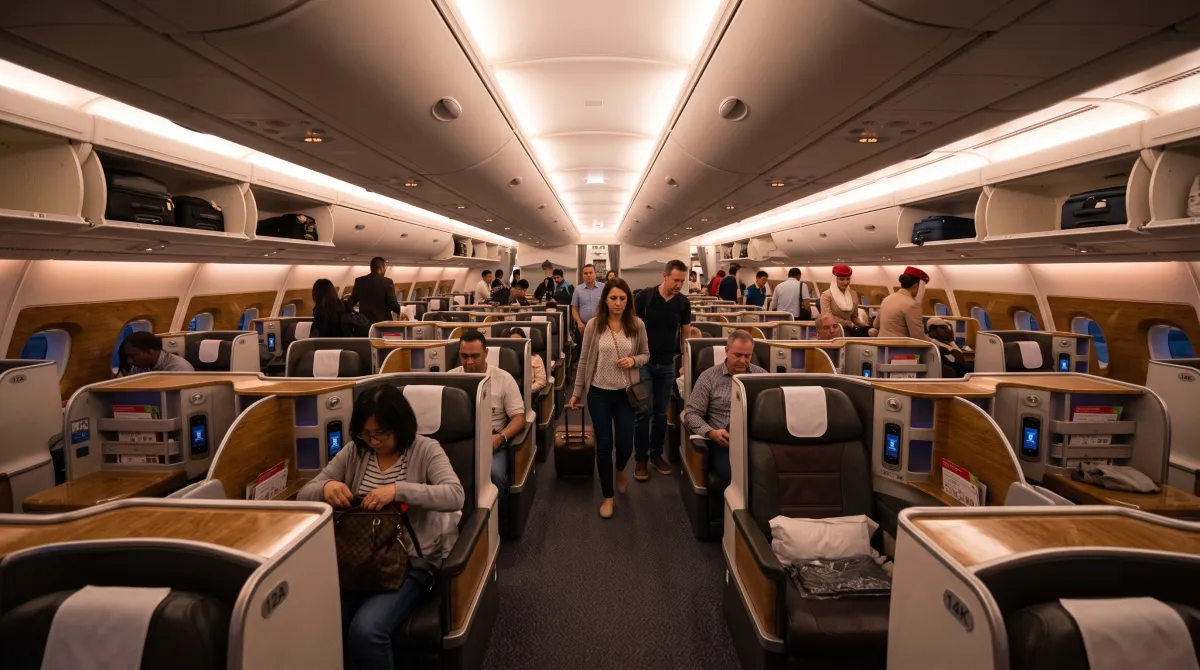
In a typical three-class layout, the A380 seats around 500 passengers across first, business, and economy. In an all-economy configuration, certified capacity reaches 853 passengers, according to Airbus, more than any other passenger jet in service.
That scale never paid off the way Airbus expected. Demand for direct, high-frequency routes grew faster than demand for a few giant flights a day, and many airlines found it easier to fill two mid-size jets than one A380.
The A380 is proof that bigger only wins when you can consistently fill every seat.
Airbus delivered the last A380 plane in March 2021, ending the program after 251 aircraft, according to Airbus. The company pointed to weak sales tied to airlines increasingly preferring cheaper, twin-engine long-haul jets.
The story doubles as a case study in the benefits and risks of innovation: a bold bet on size delivered a genuinely better cabin experience, but the underlying economics never scaled the way the business case assumed.
A380 Plane Examples
Real-world use of the A380 plane shows exactly where its size works and where it does not.
Which Airlines Still Fly the A380 in 2026?
Emirates operates the largest A380 fleet in the world, with more than 100 aircraft, according to Emirates, and uses the jet on high-demand routes out of Dubai. Qantas, British Airways, Lufthansa, Singapore Airlines, and Qatar Airways also keep smaller A380 fleets in service.
| Airline | Typical seats | Common use |
|---|---|---|
| Emirates | ~500-615 | Dubai hub routes to Europe, Asia, Australia |
| Qantas | ~485 | Australia to Los Angeles, London, Singapore |
| British Airways | ~469 | London to major long-haul hubs |
| Lufthansa | ~509 | Munich to select long-haul destinations |
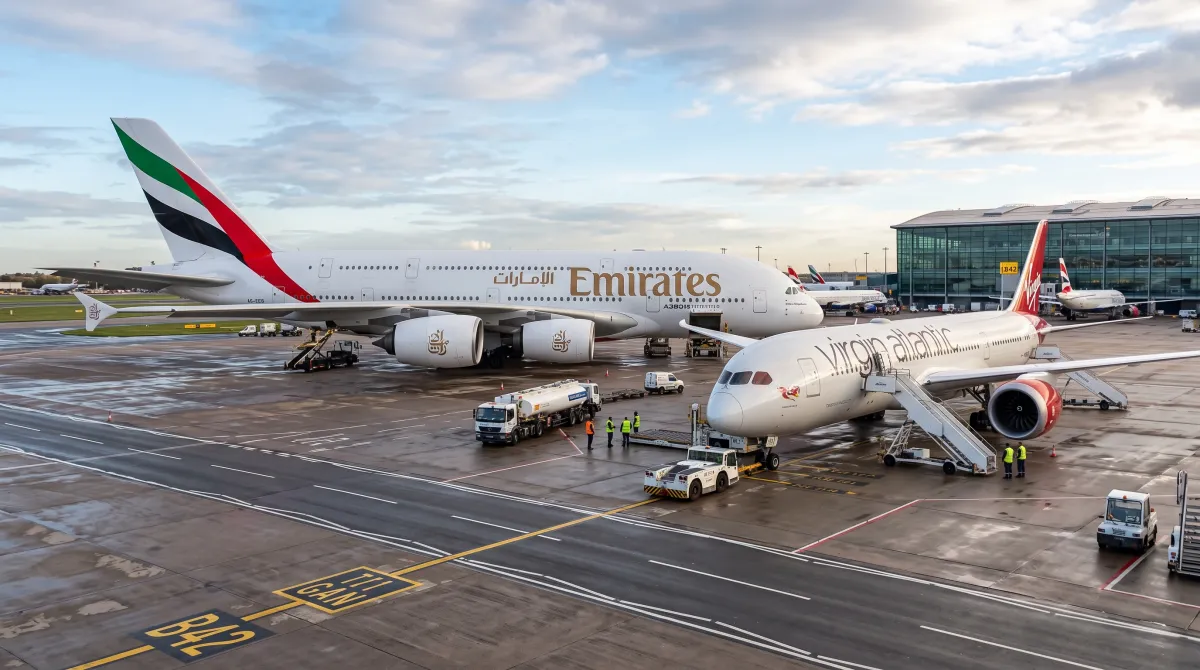
A useful example: on a route with reliable high demand, like Dubai to London, the A380 plane fills its seats and lowers Emirates' cost per passenger. On a thinner route, the same aircraft would fly half-empty and lose money.
How to Apply A380 Plane
The A380 plane is a working example of two ideas that apply far beyond aviation: economies of scale and overproduction. Both explain decisions you will face in almost any growing business.
- Economies of scale definition: per-unit cost drops as volume rises, because fixed costs spread across more units. The A380 plane applied this to seats: more capacity, lower cost per passenger, if you can fill it.
- Overproduction: building more capacity than the market can absorb. Airbus built airframes that many airlines eventually could not fill profitably, the same trap that catches factories scaling output ahead of confirmed demand.
- Depreciation meaning: the gradual loss of value in a physical asset over its useful life. A jumbo jet like the A380 depreciates fast on an airline's balance sheet, part of why some carriers retired frames early.
- Balance sheet definition: a snapshot of what a company owns and owes. Airlines carry aircraft as long-term assets, so a fleet decision like buying or retiring an A380 plane directly reshapes that balance sheet.
This scale-first thinking also drives reintermediation in digital markets, where a platform aggregates enough volume to justify its own economies of scale, the same math Airbus tried to apply in the sky.
Before you scale capacity the way Airbus scaled the A380 plane, confirm demand is durable, not just large. A route, or a product line, sized for peak demand can leave you set up to fail the moment demand normalizes.
The safer path mirrors what surviving A380 operators did: match capacity to routes with proven, repeatable demand, and let smaller aircraft absorb everything else. The same logic applies to production lines, software plans, and even a new hire you are not sure you can keep busy.
A380 Plane: FAQ
How many passengers can an A380 plane carry?
An A380 plane can carry up to 853 passengers in an all-economy layout, though most airlines fly a three-class configuration seating between 460 and 615 passengers, depending on the airline.
Why did Airbus stop making the A380 plane?
Airbus stopped building the A380 plane in 2021 because sales dried up. Airlines increasingly preferred smaller, twin-engine long-haul jets that were cheaper to fill and operate on point-to-point routes.
Which airlines still fly the A380 plane in 2026?
Emirates flies the largest A380 fleet, followed by Qantas, British Airways, Lufthansa, Singapore Airlines, and Qatar Airways, mostly on high-demand long-haul routes between major hub airports.
How much does an A380 plane cost?
Airbus listed the A380 plane at roughly $445.6 million per unit before production ended, according to Airbus list prices, though airlines typically negotiated significant discounts on large orders.
Is the A380 the largest passenger plane in the world?
Yes. The A380 plane remains the largest passenger jet in commercial service, with a wingspan of about 79.75 meters and two full passenger decks, more than any other airliner flying today.
Related guides
For technical specifications, see the Airbus A380 overview on Wikipedia, and for official capacity and pricing data, see Airbus's own A380 page.